Rockbund Art Museum Review
Art Museums · Shanghai, China. The Rockbund Art Museum (RAM) in Shanghai occupies a unique place in the city’s evolving cultural landscape. Housed in a heritage building on the Bund, a historic waterfront area that reflects Shanghai’s complex narrative…
Art Museums · Shanghai, China. The Rockbund Art Museum (RAM) in Shanghai occupies a unique place in the city’s evolving cultural landscape. Housed in a heritage building on the Bund, a historic waterfront area that reflects Shanghai’s complex narrative…
Best forArt lovers, visual culture, architecture
Review focusCollections, curatorial focus, and visitor planning
Historical Context
The Rockbund Art Museum (RAM) in Shanghai occupies a unique place in the city’s evolving cultural landscape. Housed in a heritage building on the Bund, a historic waterfront area that reflects Shanghai’s complex narrative of colonial trade and modern reinvention, the museum was established with the aim of fostering contemporary art within a city traditionally weighted towards commercial and financial pursuits. The original structure dates back to the early 20th century and once functioned as a customs house, connecting the building’s past to Shanghai’s maritime and economic history. This adaptive reuse of historical architecture signals an important dialogue between Shanghai’s colonial-era legacy and its current ambitions as a hub for contemporary creativity.
Since its inception, the Rockbund Art Museum has positioned itself as a venue that seeks to engage with both Chinese and international contemporary art practices. It emerged during a period when Shanghai intensified efforts to expand its cultural institutions, contrasting with Beijing’s dominance in the national art scene. This helped diversify the country’s artistic geography and provided a site for art that reflects Shanghai’s identity as one of China’s most cosmopolitan cities. RAM’s programming often foregrounds experimental and multidisciplinary works, situating it within broader conversations about urban transformation, identity, and global art trends while also retaining a sensitivity to local artistic voices.
What You See on Arrival
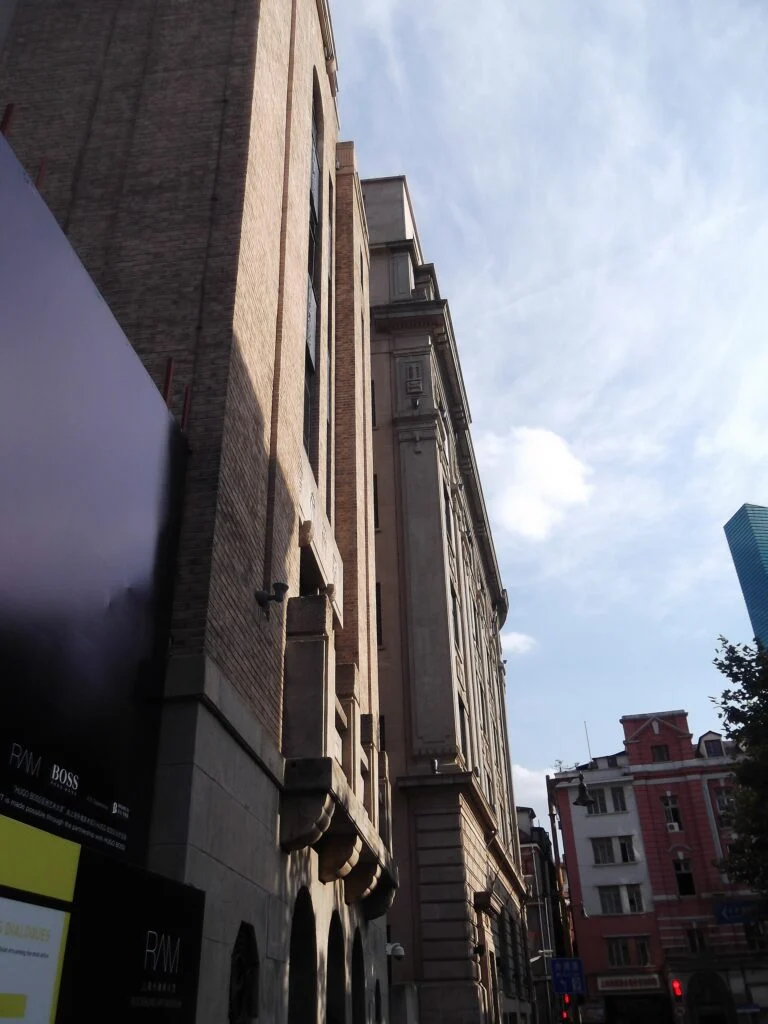
Approaching the Rockbund Art Museum, visitors are immediately struck by the building’s imposing neoclassical façade, a testament to the early 20th-century European architectural influence along the Bund. The museum’s physical presence is a reminder of Shanghai’s layered history, merging the old customs house’s solidity with the institution’s contemporary purpose. This juxtaposition between heritage and modernity is integral to how the museum presents itself.
The entrance area functions as a clear threshold between the historic waterfront district and the museum’s contemporary mission. Visitors entering this space move from the dense urban texture of Shanghai’s Huangpu district into a setting designed to facilitate reflection and artistic engagement. Though the building once served practical, administrative functions, its current use encourages a different pace, signaling a transition into a cultural venue that privileges visual experience and thoughtful consideration.
Inside, minimalistic signage and restrained interior design encourage visitors to focus on the artworks themselves rather than the architecture. However, the design also retains subtle reminders of the building’s past, such as preserved stonework and window treatments that admit natural light in a manner that complements the exhibition spaces. This approach steers visitors toward appreciating the interplay of art and history from the outset.
Highlights and Key Exhibitions
The Rockbund Art Museum’s collection and exhibitions consistently emphasize contemporary art, with a particular interest in productions that engage with experimental media, conceptual frameworks, and site-specific works. While the museum does not maintain a permanent collection in the traditional sense, it is known for its meticulously curated exhibitions that often highlight emerging as well as established artists. The focus remains on fostering dialogue between artistic innovation and the socio-political contexts specific to Shanghai, China, and, to some extent, the broader Asian region.
Exhibition themes at RAM typically cover a broad range of disciplines, including installation, video art, sculpture, and painting, often foregrounding works that challenge conventional modes of display and interpretation. The museum displays pieces that articulate contemporary urban experience, identity politics, and shifting cultural narratives, reflecting concerns relevant both locally and globally.
One of the museum’s distinguishing features is its embrace of cross-disciplinary practices, including collaborations between visual artists and architects, designers, and performers. This approach positions RAM not only as a gallery space but as a platform for artistic experimentation that moves beyond traditional boundaries. Over the years, RAM has hosted solo exhibitions of Chinese contemporary artists who respond critically to societal change, as well as international figures who connect regional themes to global artistic discourses.
Visitors can typically expect exhibitions to be temporally concentrated, encouraging repeated visits to experience evolving aspects of the contemporary scene. Exhibition layouts are often spacious, balancing room for reflection with the need to accommodate complex works that can include multimedia elements, digital installations, and physically immersive settings. By maintaining an openness to various contemporary practices, the museum serves as a flexible site for art that mirrors Shanghai’s dynamic social and cultural life.
Visitor Experience
Visitors to the Rockbund Art Museum are likely to find an environment intentionally designed to support careful viewing and engagement with challenging contemporary themes. The museum’s interior spaces are configured to allow a measured flow, avoiding the overcrowding that can be common in more tourist-oriented venues. As such, it suits audiences who are willing to spend time reflecting on nuanced artistic propositions rather than seeking quick visual gratification.
Interpretative materials at RAM tend to be precise and thoughtfully produced, offering contextual information without overwhelming the visitor. The museum avoids dense academic jargon, instead opting for narratives that are accessible to informed lay audiences as well as art professionals. That said, some exhibitions may require prior interest or experience with contemporary art concepts to be fully appreciated, which could limit accessibility for casual visitors unfamiliar with experimental art.
The museum’s programming often aligns with Shanghai’s positioning as a leading global city navigating rapid urban transformation. Through its exhibitions and public events, RAM contributes to conversations about architecture, urbanism, and cultural identity, which can resonate deeply with local and international visitors alike. It also functions as a meeting point for collectors, artists, curators, and cultural scholars, offering a multi-layered experience beyond merely viewing art objects.
Potential limitations for visitors include the relative specificity of the museum’s focus. Those seeking classical or historical art collections will find fewer offerings here, as RAM’s attention is largely on contemporary artistic production. Additionally, because the museum frequently changes its exhibitions, visitors may encounter very different experiences depending on timing, which requires checking current programs before planning a visit.
Tickets, Access, and Planning
Visitors interested in exploring the Rockbund Art Museum should consult the official museum website to confirm up-to-date information about admission fees, opening hours, ticketing policies, and any special requirements. Given the museum’s location in central Shanghai’s Bund area, it is generally accessible by various public transportation options, but practical details such as parking availability or accessibility accommodations should be verified directly.
The museum’s fluctuating exhibition schedule means it is sensible to review what is currently on display to decide if the program aligns with personal interests in contemporary art. While RAM positions itself as open to the public, certain exhibitions or events may have separate admission or require advance booking, details of which are best obtained from official channels.
Since the museum showcases contemporary works that may involve sensitive or novel media, visitors may want to prepare for some installations that could include audiovisual elements or require quiet or contemplative behavior. The museum environment encourages engagement but also necessitates respectful observation practices.
Final Verdict
The Rockbund Art Museum offers a carefully curated platform for contemporary art within Shanghai’s historically rich urban setting. Its commitment to experimental, interdisciplinary work and to bridging local and international art practices shapes a distinctive program that reflects the city’s complex identity and ongoing cultural dialogue.
The museum’s strength lies in its architectural setting and its ability to sustain exhibitions that provoke thoughtful reflection rather than comfortable familiarity. Its focus on contemporary themes means it is best suited for audiences interested in progressive art forms and current cultural issues, rather than those seeking broad historical overviews or classical collections.
While limitations exist in terms of thematic scope and potential accessibility for casual audiences, these are largely inherent in RAM’s curatorial mission rather than oversight. Prospective visitors are advised to plan according to current exhibitions and to prepare for an experience that privileges depth of engagement over spectacle.
Overall, the Rockbund Art Museum plays an important role in Shanghai’s cultural scene as a space dedicated to contemporary artistic inquiry and experimentation. It is a venue where the city’s historic fabric converses with present-day creativity, providing a setting for art that examines and challenges the conditions of modern urban life.