Crafts Museum Review
Craft Museums · New Delhi, India. The Crafts Museum in New Delhi stands as a testament to the rich and diverse heritage of Indian handicrafts. Established in 1956 under the aegis of the Ministry of Textiles, the museum was conceived…

Craft Museums · New Delhi, India. The Crafts Museum in New Delhi stands as a testament to the rich and diverse heritage of Indian handicrafts. Established in 1956 under the aegis of the Ministry of Textiles, the museum was conceived…
Best forMasterpieces, architecture, cultural history
Review focusCollections, visitor experience, and practical planning
Historical Context
The Crafts Museum in New Delhi stands as a testament to the rich and diverse heritage of Indian handicrafts. Established in 1956 under the aegis of the Ministry of Textiles, the museum was conceived as a repository and celebration of the country’s vast craft traditions. India’s crafts encompass a wide range of skills, expressions, and regional identities, tracing back centuries and often handed down through generations of artisans. The institution aims to preserve these artisanal traditions amid rapid industrialization and globalization, which threaten to erode many age-old techniques. The museum’s collection spans textiles, pottery, woodwork, metalwork, and other material cultures, reflecting India’s social, cultural, and geographical wealth. Beyond its role as a display center, the Crafts Museum provides a platform for the transmission of skills and fosters direct engagement with craftspeople, thus maintaining the living heritage of Indian craftsmanship. Its unique position underlines the importance of handmade artistry within India’s vast and dynamic artistic landscape.
What You See on Arrival
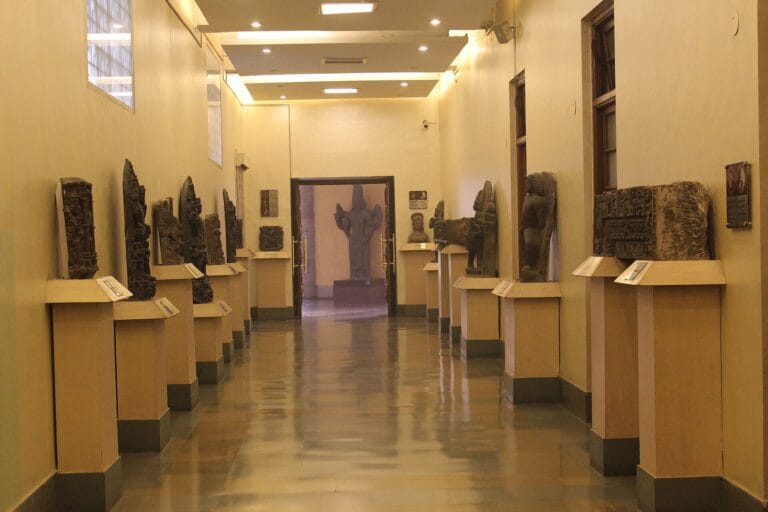
Upon approach, visitors are greeted by an inviting outdoor space reminiscent of a traditional village setting. The Crafts Museum is designed with open courtyards, lush gardens, and reconstructed village huts that immediately evoke the rural context of many of the crafts on display. These outdoor areas set a thematic tone, conveying the intertwined relationship between craft, community, and environment. The entrance itself leads into spacious galleries with natural light filtering through, creating a warm and welcoming atmosphere. The architecture combines elements of colonial-era design with vernacular influences, allowing the exhibits to blend organically with the space. Immediately, visitors get a sense of stepping into a vibrant world of textures, colors, and materials that dominate Indian craft traditions. The layout encourages exploration, gently guiding visitors through different sections organized by craft forms and regional representation. Signage and information panels are present but unobtrusive, allowing the artifacts themselves to take center stage.
Highlights and Key Exhibitions
The museum’s collection is comprehensive and methodically curated, showcasing the multifaceted nature of Indian crafts. One of the standout features is the impressive textile section, which presents a dazzling array of handwoven fabrics, embroideries, and traditional attire from across the country. For those interested in the evolution of Indian textile art, detailed displays offer insight into weaving techniques, dyeing processes, and regional motifs. Pottery and terracotta works also form a significant highlight, featuring both utilitarian and decorative forms created by rural artisans. The metalwork gallery draws attention with its intricate brass, bronze, and copper artifacts, including ritual objects and everyday implements characterized by regional styles. Equally noteworthy is the woodcraft section, where visitors can admire finely carved furniture, toys, and household articles that showcase skill and imaginative design.
The museum’s approach to exhibitions goes beyond static displays—it often incorporates live demonstrations of craft techniques by local artisans in the adjacent craft village, an integral part of the museum experience. Though not temporary, the presence of practicing craftsmen ensures that visitors witness the dynamic process behind the objects rather than just the finished product. This interactive element provides a deeper understanding and appreciation of the skills involved. The museum also frequently exhibits tribal and folk arts, which underscore the diversity of cultural expressions found throughout India’s many communities.
Visitor Experience
The Crafts Museum generally provides a well-rounded visitor experience, balancing educational content with visual appeal and cultural immersion. The peaceful garden surroundings and informal layout create a leisurely pace, suitable for a relaxed half-day visit. Interpretation materials such as wall texts, guidebooks, and audio options—which can be obtained at the entrance—offer valuable context, though there is room for updating some of the signage to enhance clarity and detail. The staff are knowledgeable and accommodating, contributing positively to the overall atmosphere.
One aspect that merits attention is the museum’s focus on hands-on learning. Engagements like live craft demonstrations and workshops allow visitors to move beyond observation and participate in the crafting process, which enriches understanding and fosters a sense of connection to the artisans. The adjacent craft village and open-air market provide opportunities to purchase authentic handmade products, reinforcing the sustainable support for traditional crafts.
For international visitors unfamiliar with India’s craft landscape, some introductory guidance on the country’s regional craft traditions at key points within the museum would further enrich the visit. Additionally, given the museum’s sometimes sprawling layout, clear directional signage would ease navigation across the premises, particularly for visitors with limited time.
Tickets, Access, and Planning
The Crafts Museum is situated in a culturally vibrant area of New Delhi and is accessible via multiple transportation options, including metro, buses, and taxis. Its location makes it a feasible addition to itineraries exploring the capital’s cultural institutions. The opening hours generally span from late morning through the early evening, allowing flexibility for visitors. Entry fees are modest, reflecting the museum’s public status and mission to make Indian craft heritage widely accessible. Concessions are typically available for students, seniors, and groups.
Facilities such as rest areas and a café enhance visitor comfort, though visitors should prepare for the warm seasonal climate by staying hydrated and dressing appropriately. The museum offers some accessibility accommodations for visitors with mobility challenges, though potential visitors with specific needs should consult the museum’s official website or contact staff in advance to confirm the availability of necessary services.
Final Verdict
The Crafts Museum in New Delhi stands as an essential institution preserving and celebrating India’s vast artisanal heritage. It succeeds in presenting an immersive and authentic experience that highlights the intricate beauty, cultural significance, and regional diversity of Indian crafts. Through its thoughtfully arranged collections, live demonstrations, and supportive craft village, the museum does more than archive artifacts—it keeps art forms alive and relevant. While improvements in signage clarity and visitor orientation could enhance the overall visit, these minor details do not overshadow the museum’s invaluable role in cultural preservation.
For culture enthusiasts, historians, and anyone with an interest in traditional and contemporary crafts, the museum offers a richly rewarding experience. It is an educational resource that bridges past and present, rural and urban, artisan and audience in a harmonious celebration of creativity. As a cultural landmark in India’s capital, the Crafts Museum is a must-visit that brings the country’s intricate craftsmanship traditions vividly to life.