Andy Warhol Museum Review
Military Museums · Pittsburgh, United States. The Andy Warhol Museum in Pittsburgh, United States, is dedicated to presenting the work and legacy of one of the most influential figures of 20th-century American art. Andy Warhol’s role in the Pop Art…
Military Museums · Pittsburgh, United States. The Andy Warhol Museum in Pittsburgh, United States, is dedicated to presenting the work and legacy of one of the most influential figures of 20th-century American art. Andy Warhol’s role in the Pop Art…
Best forMilitary history, design, remembrance
Review focusMilitary collections, historic context, and visitor planning
Historical Context
The Andy Warhol Museum in Pittsburgh, United States, is dedicated to presenting the work and legacy of one of the most influential figures of 20th-century American art. Andy Warhol’s role in the Pop Art movement reshaped contemporary art through his exploration of celebrity culture, consumerism, and the intersection of art and mass media. Established in a city critical to Warhol’s own biography, the museum opened in 1994 to house the largest collection of Warhol’s art and archives in the world. This connection to Pittsburgh situates the museum not only as a repository for his work but as a site of cultural reclamation, recognizing the artist’s roots in a working-class, post-industrial context that contrasted strikingly with the glamor and spectacle he portrayed.
The museum holds more than 12,000 pieces, encompassing not only Warhol’s paintings and prints but also photographs, films, videos, and archival materials such as diaries and business records. Its creation responds to the artist’s multifaceted career, which extended beyond the canvas to include commercial art, filmmaking, and publishing. This broad scope emphasizes Warhol as a cultural figure whose work transcended traditional art boundaries, reflecting shifts in media and society during the mid-to-late 20th century.
What You See on Arrival
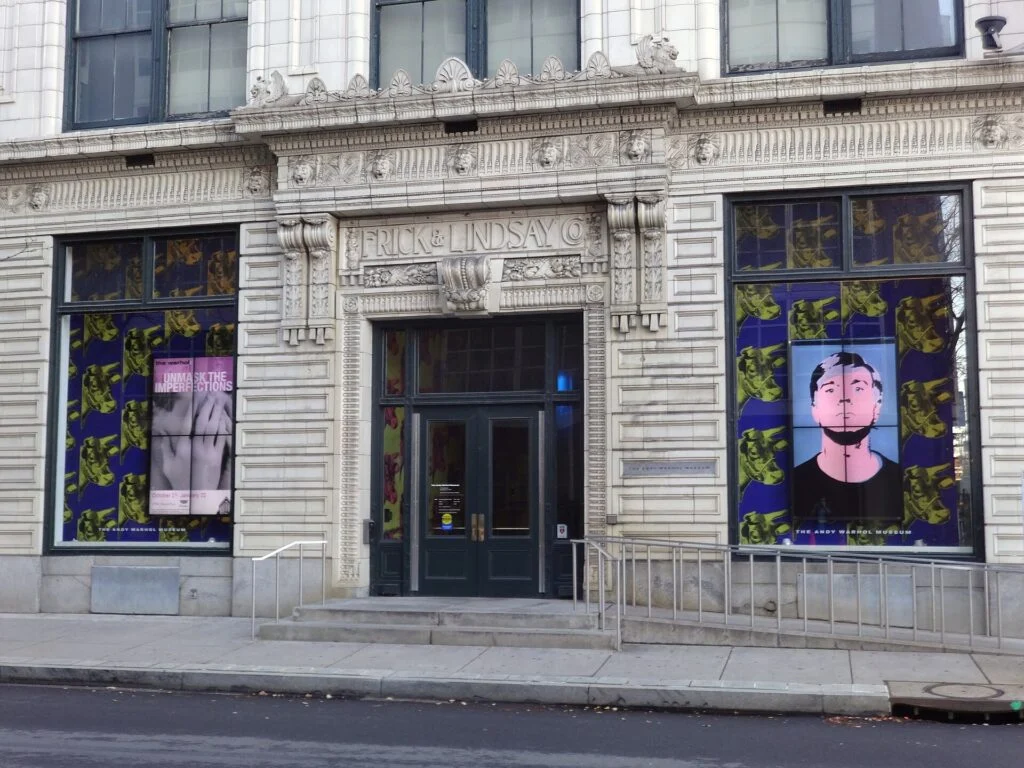
The museum occupies a converted nineteenth-century warehouse on the north shore of the Allegheny River, a location that immediately frames it as both a contemporary cultural institution and a nod to Pittsburgh’s industrial past. From the exterior, the building’s brick façade aligns with the city’s architectural character while signaling a serious, substantive venue rather than an overtly commercial or entertainment-oriented space.
On entering, visitors encounter a lobby area that sets the tone with a minimalist approach, preparing guests for an experience centered on Warhol’s versatile output. The space is designed to focus attention on the artwork rather than grandiose architectural flourishes, reflecting the museum’s commitment to the artist's aesthetics and themes. The layout encourages a chronological and thematic exploration, signaling an intention to guide visitors through Warhol’s evolving career and artistic development.
What visitors can expect immediately is a sense of immersion in Warhol’s world. The museum brand and identity emphasize a scholarly and comprehensive approach, avoiding the overly sensationalized or superficial interpretations sometimes found in popular culture. The entrance area and orientation exhibits provide context on Warhol’s early life, his influences, and the cultural environment of mid-century America, setting the framework for understanding the works on display.
Highlights and Key Exhibitions
The core of the museum’s appeal is its extensive permanent collection, which covers the full range of Warhol’s artistic periods and mediums. The gallery spaces are organized to reflect distinct phases in Warhol’s work, from his early commercial art and hand-painted advertisements to his iconic silkscreens and later experimental video projects.
Among the most notable works on view are the silkscreen portraits of cultural icons such as Marilyn Monroe, Elvis Presley, and Elizabeth Taylor. These pieces exemplify Warhol’s fascination with fame, repetition, and the commodification of celebrity images. The museum allows visitors to see the original silkscreens, emphasizing their production process and encouraging a deeper understanding of Warhol's methodical approach to image replication.
Another significant section focuses on Warhol’s Campbell’s Soup Can series, which challenges conventional ideas about subject matter in art by elevating everyday consumer goods to the level of fine art. This part of the collection prompts reflection on themes of mass production and consumer culture that remain relevant today.
The museum also dedicates substantial space to Warhol’s film and video work. His early forays into experimental cinema, including The Chelsea Girls and Sleep, offer insight into his interests beyond static images. While some visitors may find these video works challenging, their inclusion is essential to appreciating Warhol as an artist engaged with emerging media forms.
The archival holdings add a distinctive layer to the museum experience. Warhol’s personal diaries, business correspondence, and photographs reveal the person behind the public persona, documenting his social networks, creative processes, and business ventures. These materials support a nuanced interpretation of Warhol, beyond the familiar archetype of the avant-garde provocateur.
The museum also incorporates works by artists closely associated with Warhol’s Factory scene, allowing visitors to explore the creative milieu that shaped and was shaped by his presence. This broadens the visitor’s perspective on the cultural moment beyond Warhol alone, capturing a wider range of artistic responses and collaborations.
However, it is worth noting that the museum’s strong focus on Warhol’s own work means that those looking for broad surveys of Pop Art as a movement might find the scope comparatively narrow. Additionally, the volume of material on display can be overwhelming, requiring visitors to make choices about which themes or periods to engage with in depth.
Visitor Experience
The museum’s layout and interpretive strategy aim to serve both those with a deep interest in Warhol’s output and more casual visitors. The galleries are arranged to facilitate a sense of progression through the artist’s career, combining chronological order with thematic groupings. This design encourages visitors to consider both the evolution of Warhol’s style and his recurring preoccupations.
Interpretation focuses on clear, straightforward text panels that provide essential background information without excessive jargon. Such an approach is effective in making Warhol’s often complex practice accessible to a broad audience. Multimedia elements, such as video stations and interactive displays, support engagement with Warhol’s moving image work and archival collections.
Pacing can be a consideration here. The sheer volume of works and archival content means that visits can become lengthy and demanding. Visitors with limited time may prioritize the main painting and print galleries while forgoing extensive archival exhibits. The museum could benefit from clearer guidance on suggested visit paths depending on visitor interests and time constraints, although this might be found in visitor information materials available onsite or online.
The focus on Warhol also limits the thematic diversity within the collection. While this concentration allows for depth, it does mean that visitors seeking a broader overview of contemporary art or the Pop Art movement at large might need to supplement their visit with other institutions. The museum positions itself primarily as the authoritative home for Warhol, rather than a general contemporary art venue.
Finally, the museum’s location on Pittsburgh’s north shore places it within a cluster of cultural institutions, which can enhance a visit by enabling connections with the city’s broader cultural offerings. For visitors to Pittsburgh with an interest in American art or 20th-century culture, the museum provides valuable context and artifacts central to understanding the period.
Tickets, Access, and Planning
Specific details regarding admission fees, discounts, opening hours, and guided tours are subject to change and should be verified directly through the museum’s official website before planning a visit. The museum’s urban setting means it is accessible by public transit and car, though conveniences such as parking availability or accessibility provisions should also be confirmed in advance.
Given the museum’s archival collections and multimedia components, visitors interested in these aspects may wish to allocate more time and consider personal pacing when planning a visit. The institution’s approach to visitor flow and crowd management may vary seasonally or with special programming, so prospective visitors should review any advisories posted by the museum.
Final Verdict
The Andy Warhol Museum offers an in-depth, focused exploration of a singularly influential artist whose work continues to resonate across visual culture, media, and contemporary art discourse. Its comprehensive collection and archival resources provide an unparalleled repository for understanding Warhol’s multifaceted career and the cultural context that shaped it.
Strengths of the museum include its extensive holdings that allow visitors to see a wide range of Warhol’s creative output, from paintings and prints to films and archival documents, all presented with a consistent and thoughtful curatorial approach. The setting in Pittsburgh adds an important layer of cultural specificity, connecting the artist to his origins in an industrial American city.
On the other hand, the museum’s dedication to Warhol exclusively means that those expecting a broader survey of Pop Art or contemporary American art beyond Warhol’s sphere may find the museum somewhat narrowly focused. Additionally, the volume of material presented may require visitors to prioritize certain sections, especially if limited by time.
For visitors with a clear interest in Warhol, American Pop Art, or the intersections of art and media, this museum is a significant resource. It encourages a serious and comprehensive engagement rather than a superficial encounter. For more general art audiences, the museum still offers valuable insights but may best be integrated as part of a wider exploration of art in Pittsburgh or the United States.
Overall, the Andy Warhol Museum stands as an authoritative institution that documents an important chapter in American art history through the life and work of one artist. It is an essential visit for those seeking depth in understanding Warhol’s role and legacy, provided they approach it with sufficient planning and an openness to the diverse forms of visual and archival material on display.