Computer History Museum Review
History Museums · Mountain View, United States. The Computer History Museum in Mountain View, United States, traces its origins to a private collection that began in the late 1960s and evolved into an institutional repository for the history of computing technology.…
History Museums · Mountain View, United States. The Computer History Museum in Mountain View, United States, traces its origins to a private collection that began in the late 1960s and evolved into an institutional repository for the history of computing technology.…
Best forHistory lovers, cultural travelers, local heritage
Review focusHistorical collections, local context, and visitor planning
Historical Context
The Computer History Museum in Mountain View, United States, traces its origins to a private collection that began in the late 1960s and evolved into an institutional repository for the history of computing technology. Officially established in its current form in the early 1990s, the museum has grown alongside Silicon Valley’s rapid technological advances, reflecting a regional and global story of innovation. It places itself at the intersection of technological development, industrial design, and cultural change, aiming to document and interpret the devices, software, and human efforts that have remapped modern society.
Mounting a comprehensive narrative about one of the youngest yet most impactful branches of history is no trivial task. The museum situates its holdings within the broader trajectory from mechanical calculation devices of the 19th century through to contemporary computer systems and networks. Though it is positioned geographically in the heart of the technology sector, the institution serves an international audience with interests ranging from the technological and scientific to the social and entrepreneurial. Its archives and exhibitions attempt to chart not only hardware innovations but also software achievements, programming milestones, and the role of computing in shaping twentieth and twenty-first-century life.
What You See on Arrival
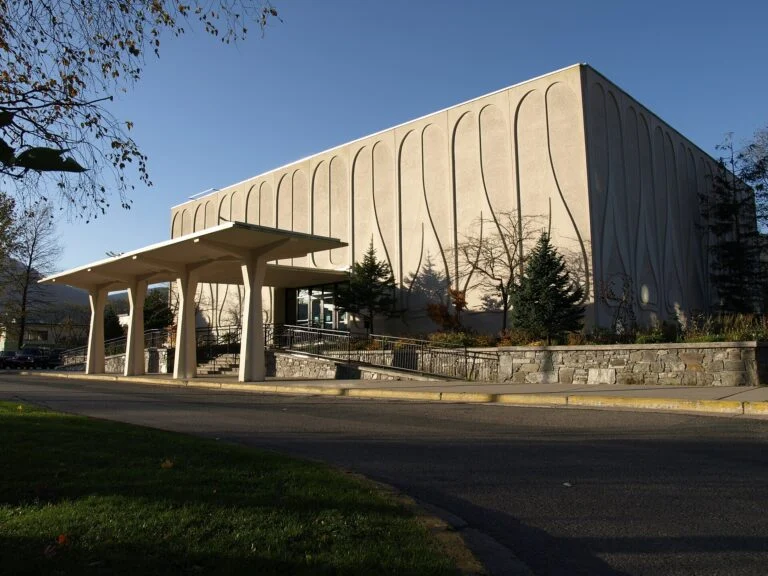
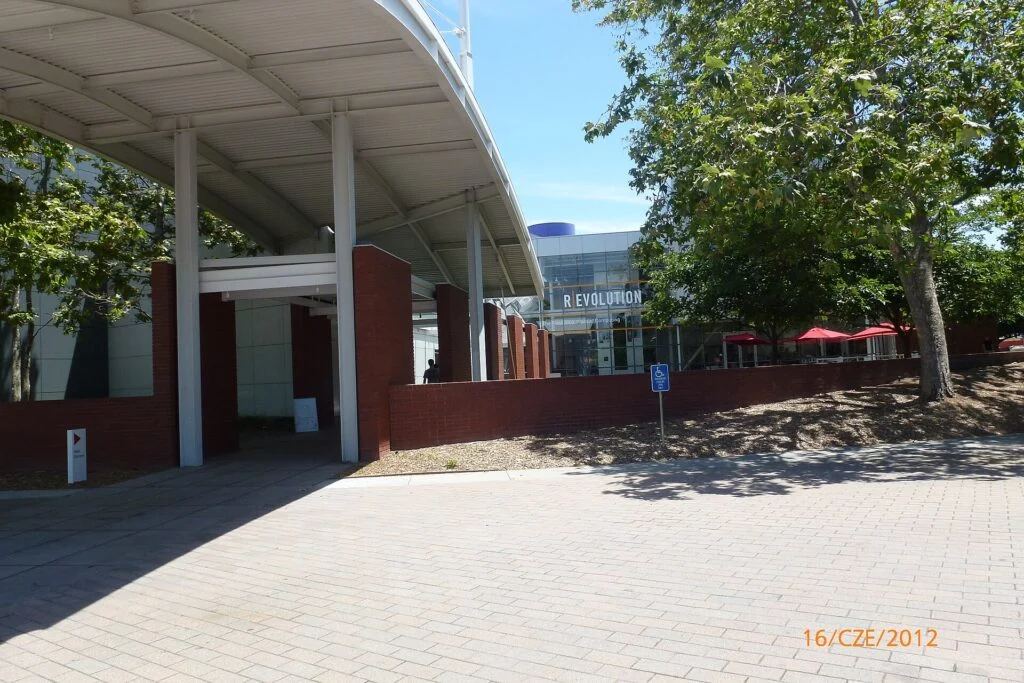
Arriving at the Computer History Museum, visitors encounter a building that carries an unassuming, functional aesthetic reflective of its Silicon Valley setting. The entrance and lobby area orient visitors to a place deeply engaged with technology’s past rather than its yet-unwritten future. Rather than architecture designed to impress with grandeur, the exterior and interior create an environment that signals a focus on content—on the objects and stories within—rather than spectacle.
The introduction areas introduce the museum’s identity as a repository and storyteller of technological progression. Permanent signage and initial displays often set the tone using contextual devices that hint at the scale and pace of change in computing. Early exhibits supplement introductory panels outlining the museum’s mission: to preserve and present the history of computing devices and their inventors, designers, and users. The spatial layout suggests a chronological movement, inviting a journey through time rather than a thematic or purely technical sorting. This framing assists in grounding the visitor’s expectations in a historical progression, complimentary to both specialists and general audiences.
Highlights and Key Exhibitions
The museum’s collection spans an extensive historical range, from early mechanical calculators and pre-electronic computing devices to mainframe systems, personal computers, and the rise of the Internet and mobile computing. Among the most notable pieces are original machines and components representing pivotal moments in computing history. For example, the museum houses segments of the ENIAC, considered the first electronic general-purpose computer; examples of IBM mainframe machines; early minicomputers; and a range of devices marking the shift to smaller, personal computing systems.
Alongside hardware artifacts, the museum devotes attention to software development and its impact. Exhibits detail foundational programming languages, early video game systems, and the evolution of user interfaces. This breadth helps underline computing’s multifaceted history—not only as physical machinery but also as a platform for innovation in information processing, communication, and entertainment.
A key narrative thread is the story of innovation emerging from Silicon Valley itself. Founding companies and industry pioneers receive focused treatment, including Apple’s early prototypes, the role of Xerox PARC in conceptualizing personal computing paradigms, and other entrepreneurs and engineers whose work influenced computing’s direction. This attention situates the wider technological developments within their socio-economic and cultural contexts, examining the intersection of invention, business, and societal need.
The museum also places emphasis on the human element behind technological advancement. Oral histories, photographs, and biographies offer insights into the lives and careers of figures behind the machines. While the expectation might be a strictly technical display, this human context adds depth, showing how networks of people, institutions, and ideas contributed to computing’s evolution.
Exhibits are generally organized to facilitate a chronological walk-through of computing history, making it possible to follow technological developments decade by decade. The scale and variety of objects encourage both detailed study and a broader appreciation of technological change over time. The museum also contains dedicated spaces for educational activities and special exhibitions exploring particular themes or developments more thoroughly, although these tend to focus on well-documented milestones and canonical stories rather than experimental or marginal subjects.
Visitor Experience
The visitor experience at the Computer History Museum leans toward the contemplative and informative rather than the fast-paced or entertainment-driven. The displays make extensive use of physical artifacts, supplemented by explanatory texts that are accessible without sacrificing technical accuracy. This approach is likely to appeal to visitors with a serious interest in technology—whether professionals, students, or enthusiasts—as well as those curious about the origins and development of the devices they use daily.
Interpretation varies from straightforward labels giving the technical details, historical context, and production history of individual objects to more elaborate panels discussing the impact and legacy of particular innovations or figures. While there is some use of interactive digital content, the museum does not prioritize flashy multimedia at the expense of artifact display, which can feel refreshing in a landscape where many institutions rely heavily on screens.
The pacing is thoughtful, encouraging visitors to spend time engaging with complex stories of invention, competition, and adaptation in the tech industry. The chronological layout helps maintain narrative clarity, though some visitors may find the density of exhibits to be intensive if attempting to see everything in a single visit. The extent of detail and occasional technical terminology could present a challenge for casual visitors or for those without a background in electrical engineering or computer science, though the museum’s text generally avoids jargon and attempts clear explanation.
Families might find the museum more challenging, as it is not specifically tailored to young children. However, older students and teens with an interest in science and technology will likely benefit from the museum's thorough and tangible accounts of computing history. Some areas and exhibits might be more engaging for visitors comfortable with detailed timelines and technical data.
Tickets, Access, and Planning
Information necessary for planning a visit to the Computer History Museum should be verified through the museum’s official website, as details on admission policies, opening hours, discounts, accessibility, and available tours can change. Because of the specialized nature of its content, visitors might want to allocate sufficient time—several hours—if planning a comprehensive experience, though those with limited time could focus on specific themes or highlight objects.
The museum is located in a region well-served by public and private transportation, but specifics about parking or disabled access are best confirmed through authoritative sources. Prospective visitors should also inquire about any programs, workshops, or guided tours that might be available, particularly if seeking a more structured experience.
Final Verdict
The Computer History Museum in Mountain View offers a substantial and coherent presentation of computing’s development from mechanical antecedents to modern digital technology. Its strengths lie in a well-curated collection of original artifacts, a chronological narrative that supports clear understanding, and interpretation that balances technical detail with broader historical context.
This museum is well-suited to visitors with a strong interest in technology history or those seeking to understand the roots and progression of computing innovations that have transformed various aspects of contemporary life. It may prove especially rewarding for professionals in the technology sector, students, and museum-goers who appreciate detailed yet accessible presentations of science and engineering topics.
However, casual visitors or families with young children might find the exhibits dense or technical, and the museum’s presentation style leans toward preservation and explanation over experiential or interactive engagement. Planning ahead to identify areas of particular interest could improve the visit for those with limited time or a general curiosity.
In sum, the Computer History Museum serves as a meaningful repository and interpreter of computing heritage, emphasizing the factual and documentary over theatricality. It provides a clear window into the achievements and complexities of technological evolution without overstating its appeal or resorting to hyperbole. As the history of computation continues to unfold, this institution remains a crucial resource, carefully documenting the milestones that have shaped the modern world.