Computer History Museum
History Museums · Mountain View, United States. The Computer History Museum, located in Mountain View, California, is a specialized institution dedicated to the history and development of computing technology. As a museum focused on the origins, evolution, and impact of computer…
Best forHistory lovers, cultural travelers, local heritage
Setting / nearbyMountain View, United States
Overview
The Computer History Museum, located in Mountain View, California, is a specialized institution dedicated to the history and development of computing technology. As a museum focused on the origins, evolution, and impact of computers, it offers visitors an in-depth look at the many aspects of computing—from early mechanical calculators to modern computing devices and software. Situated in the heart of Silicon Valley, the museum benefits from its close proximity to the birthplace of numerous technological innovations, which informs its mission to document and preserve computing milestones.
The museum serves not only researchers and computer enthusiasts but also educators, students, and general audiences interested in understanding how computers have shaped contemporary life. It does this through a combination of permanent and temporary exhibitions, interactive displays, and detailed artifacts, presented in ways that reflect the cultural and technological shifts of digital history. Its collection sheds light on how computing has influenced business, science, communication, entertainment, and society at large.
Collection Highlights
The heart of the Computer History Museum’s collection is its extensive array of artifacts related to the technological progression of computers. On display are early computing devices such as mechanical calculators and analog machines, showcasing the pioneering work of inventors who laid the groundwork for digital systems. The museum also houses significant pieces from the mid-20th century, including large-scale mainframes and minicomputers, which illustrate the transition from bulky computing cabinets to increasingly compact and powerful machines.
Visitors can encounter displays featuring early microprocessors and personal computers that marked the spread of computing technology beyond corporate and academic settings, entering homes and small businesses. The evolution of software also features prominently, with exhibits illuminating the role of programming languages and operating systems in the development of computer functionality. In addition to hardware and software, the museum includes presentations related to networking, the internet’s prehistory, and the rise of digital communication.
A notable aspect of the collection is its emphasis on the people and stories behind technological advances. This human dimension connects the machines and codes on display to the designers, engineers, entrepreneurs, and visionaries who contributed to computing progress. Temporary exhibits frequently focus on particular themes such as video game history, artificial intelligence, or the history of computing in different regions, giving visitors varied perspectives on the subject.
Building and Setting
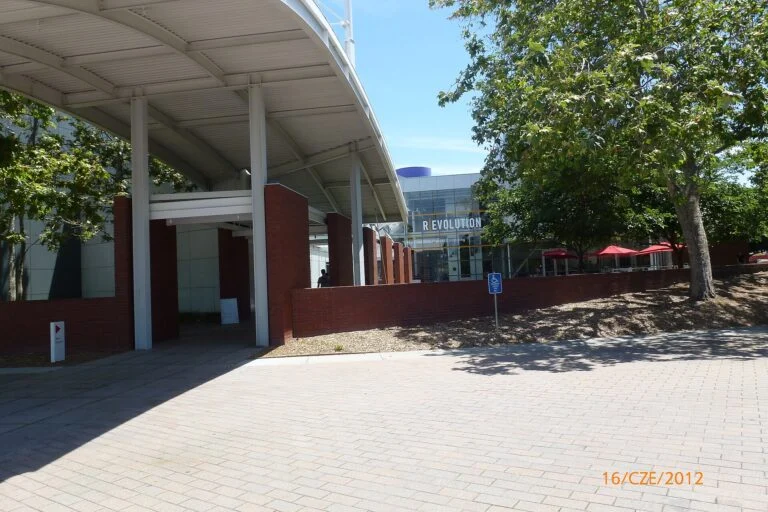
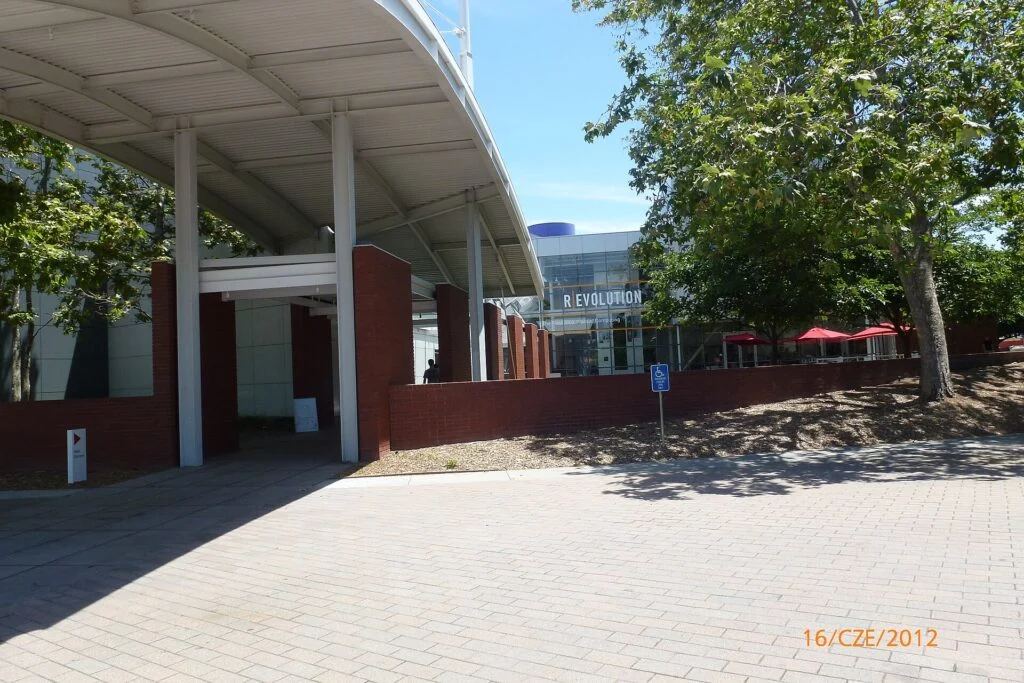
The museum is housed in a modern facility in Mountain View. The building is designed to support both exhibition and research functions, with gallery spaces suited to displaying a diverse range of large machines and delicate electronic components. Its layout generally guides visitors through computing history in a chronological fashion, which helps contextualize how developments build on one another.
The location in Silicon Valley means the museum is near the heartland of the technology industry, providing a tangible connection to the companies, innovators, and culture that have driven much of recent computing evolution. This proximity occasionally enables the museum to collaborate with industry partners or to acquire donations and loans of historically important machines and documents.
The physical setting is accessible by regional transport, though those unfamiliar with the area should consult local travel resources. The immediate environment is largely urban and industrial, reflecting the contemporary setting of the technology sector rather than a historical site preserved for other purposes.
Practical Information
Before planning a visit to the Computer History Museum, prospective guests should refer to the museum’s official website to verify the most up-to-date information on hours of operation, admission policies, and any special exhibitions or events. The availability of guided tours, audio guides, and educational programming may vary by season or day, so checking in advance can enhance the visit.
Details regarding parking, accessibility accommodations, and on-site services such as cafés or shops are also best confirmed directly. While the museum is designed to welcome a broad audience, individual needs vary and prospective visitors should consider their own preferences and requirements to prepare for the visit.
For researchers or those seeking deep dives into certain topics, the museum includes archival resources and libraries. Access to these materials can involve procedures distinct from general admission and may require prior consultation with museum staff.
Why Visit
The Computer History Museum offers a focused but substantial look at an area that underpins much of contemporary life but is not always presented in museums with this level of detail. It suits visitors with an interest in science and technology as well as those who want to understand the historical context of familiar digital tools. It can help demystify technologies that are often taken for granted, showing their development through tangible objects and curated narratives.
Visitors with experience in technology, computing, or related fields will likely appreciate the depth of technical detail found in many exhibits. Meanwhile, non-specialists can find accessible presentations that explain complex subjects clearly. The museum’s attention to the contributions of individuals alongside machines helps humanize what might otherwise feel like a purely technical history.
The museum’s scope is necessarily specialized, so it may not satisfy those seeking a broader history of science or technology outside of computing. Additionally, while the museum has occasional temporary exhibits that broaden the narrative, the core is firmly rooted in computing history rather than general innovation or digital culture phenomena.
For those interested in the story of how computing devices evolved from mechanical contraptions to the complex processors running modern society, this museum lays out those developments thoughtfully and with care. Its location near the birthplace of much computing innovation adds a further layer of relevance to its collections and exhibitions.
In summary, the Computer History Museum is valuable for visitors who want to engage with the roots and routes of computing, offering a grounded and detailed examination of a transformative field. Its approach encourages reflection on the technological advances that shape the modern world and the people behind those advances. Prospective visitors should verify practical details ahead of time but can expect thoughtful information and extensive collections in a setting that honors computing history’s ongoing influence.