Chongqing China Three Gorges Museum Review
Archaeology Museums · Chongqing, China. The Chongqing China Three Gorges Museum is situated in Chongqing, a municipality in southwest China known as a vital area along the Yangtze River. Established to commemorate the ambitious Three Gorges Dam project and…

Archaeology Museums · Chongqing, China. The Chongqing China Three Gorges Museum is situated in Chongqing, a municipality in southwest China known as a vital area along the Yangtze River. Established to commemorate the ambitious Three Gorges Dam project and…
Best forMuseum lovers, culture travelers, first-time visitors
Review focusCollections, visitor experience, and practical planning
Historical Context
The Chongqing China Three Gorges Museum is situated in Chongqing, a municipality in southwest China known as a vital area along the Yangtze River. Established to commemorate the ambitious Three Gorges Dam project and the broader historical and cultural narratives of the region, the museum opened its doors in 2009. It represents a multi-faceted institution dedicated to the complex interplay of natural geography, human endeavor, and industrial transformation emblematic of the Three Gorges area. The project that inspired it is one of the most significant hydroelectric engineering feats of the 21st century, altering not just the landscape but also the social and cultural profiles of Chongqing and neighboring provinces.
Besides celebrating the engineering achievement, the museum fulfills a broader mandate to preserve and interpret the history of Chongqing itself, especially its role during pivotal periods such as the Second Sino-Japanese War when the city served as a wartime capital. Its collections and exhibitions reflect layers of Chongqing’s industrial development, hydrological advancements, and the archaeological and ethnological dimensions of the Yangtze region. This narrative positioning situates the museum as an institution rooted not only in a recent industrial milestone but also in the long, intertwined histories of environment, culture, and politics within China’s interior.
What You See on Arrival
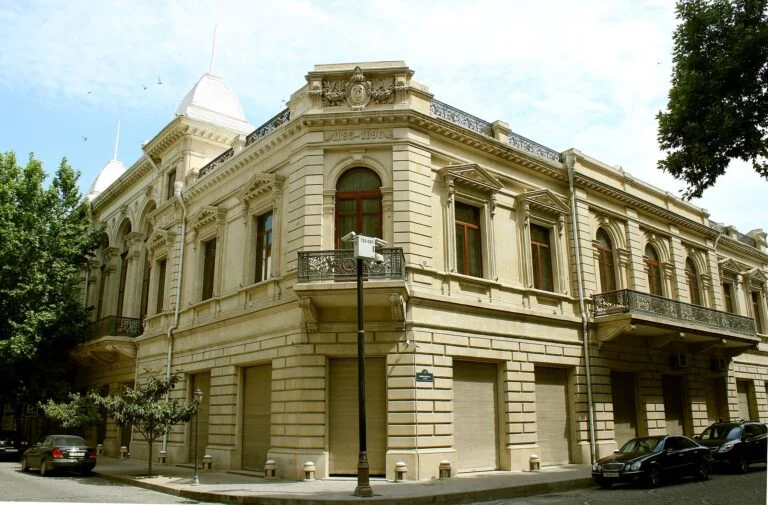
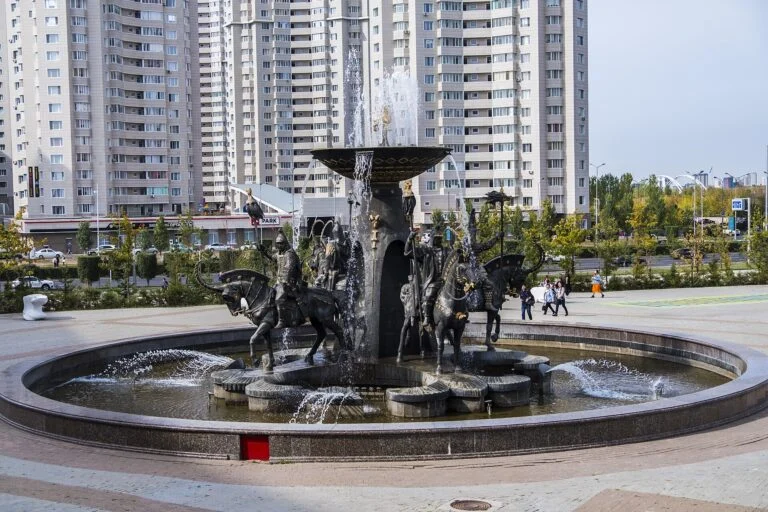
The museum’s external presentation is imposing and modern, with architecture that gestures towards the scale and ambition of the region’s transformation. Its location near the confluence of two rivers situates it symbolically at the heart of Chongqing’s geographical identity. Visitors approaching the museum encounter a large, structured plaza punctuated by sculptural elements related to the Yangtze and Three Gorges themes, providing an early sense of the museum’s focus on river engineering and regional history.
At the entrance, the building’s facade offers a combination of glass, steel, and stone, reflecting a contemporary aesthetic that aligns with the themes of modernity and technological progress. Signage and introductory panels frame the institution predominantly as a museum of the Three Gorges and regional history, setting a tone that balances commemoration of human endeavor with attention to environmental and cultural heritage. The overall impression is that of a public institution designed to serve both a local and wider audience intrigued by China’s engineering prowess and historical narratives related to the Three Gorges region.
Highlights and Key Exhibitions
The museum’s core strength lies in its comprehensive and multilayered exhibition program, structured to explore multiple dimensions of the Three Gorges area and Chongqing’s historical significance. One of the most notable permanent exhibitions centers on the Three Gorges Dam itself. This section uses a combination of large-scale models, technical schematics, photographs, and multimedia presentations to outline the dam’s construction process, engineering challenges, and impact. It examines the dam not only as a feat of engineering but also through its social and ecological implications, including the resettlement of communities and alteration of natural habitats. This balanced approach allows visitors to grasp the complexity of large-scale infrastructure projects in a modern state environment.
In addition to the dam-focused content, the museum dedicates significant space to the history of Chongqing during the early and mid-20th century. One gallery focuses on Chongqing’s role as the provisional wartime capital of China from 1937 to 1945. This area features wartime propaganda posters, photographs, personal artifacts, and detailed maps illustrating the city’s strategic importance and the lived realities of its residents under aerial bombardment. Such content situates Chongqing not only in a technical or environmental narrative but also in a politically charged and human story of resilience and transformation during one of China’s most volatile periods.
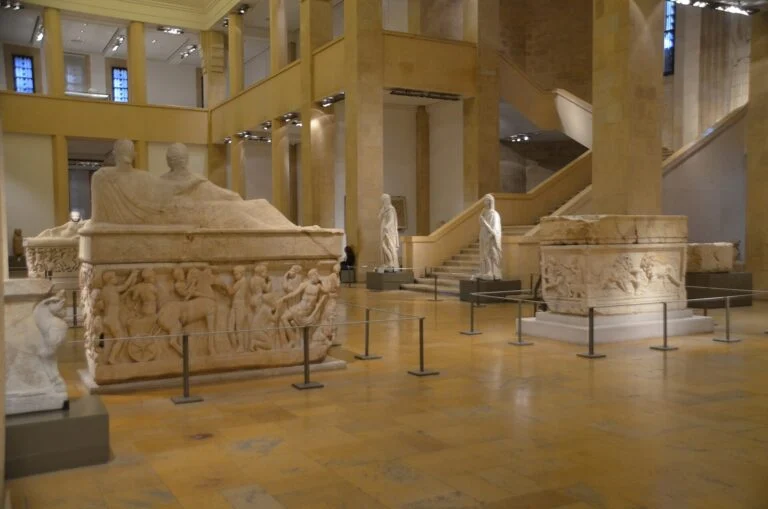
Beyond these historical elements, the museum also presents ethnographic and archaeological collections related to the Yangtze region’s diverse cultural heritage. These exhibits showcase artifacts from local minority groups, traditional crafts, and archaeological finds dating back thousands of years, contextualizing the Three Gorges area within a broader human story. The integration of these themes speaks to the museum’s intent to represent the area’s multiplicity—not solely as a site of industrial modernization but as a vibrant cultural crossroads.
The museum’s display strategy typically combines traditional display cases with interactive or multimedia elements intended to engage visitors with technical information and historical narratives. Interpretive panels provide information in Chinese, and there is signage in English for core exhibits, facilitating accessibility to international visitors. However, the depth and density of information sometimes demand a degree of prior knowledge or interest, which may challenge casual visitors primarily seeking a light overview of the Three Gorges Dam.
Visitor Experience
From an experiential perspective, the museum offers a layered visit that requires some planning by those unfamiliar with the subject matter. The layout is logical, generally flowing from the region’s natural and cultural history to its major modern engineering achievement, then to its wartime role and social consequences. Visitors prepared to engage with detailed technical material will find much to absorb, while those more interested in social history, archaeology, or cultural aspects will also have dedicated sections to explore.
Interpretation is thorough, if at times dense, balancing visual displays with textual information. The presence of some interactive elements helps break up longer sections of text and technical diagrams, although the overall tone remains didactic rather than experiential. This may appeal more to visitors with academic, professional, or serious amateur interest in history, engineering, or Chinese regional studies. Families or general tourists without prior knowledge could find certain parts challenging to maintain attention throughout, although the multimedia components and human-interest stories offer key moments of engagement.
Spatially, the museum’s design allows for a measured pace but can feel immense given the breadth of themes covered. The physical scale of some exhibitions, such as the models of the dam and the bombing remnants, provide immersive visual anchors, but some galleries feel dense with smaller artifacts and heavy text panels. This layout necessitates a selective approach to avoid fatigue. Museum staff and signage generally direct visitors clearly, but an official guide or well-organized audio guide could improve accessibility for non-specialist audiences.
Tickets, Access, and Planning
Confirmed practical details about tickets, opening hours, discounts, and accessibility should always be checked on the museum’s official website before planning a visit. This institution is publicly supported and generally open to the public, but hours and admission policies can change due to local regulations or special circumstances.
Chongqing’s urban location means the museum is accessible by various public transport options, though those unfamiliar with the city’s layout might appreciate advance navigation planning. Visitors should note that while the building itself is modern and provides some accessibility features, detailed information on the extent of provisions for mobility-impaired visitors is best confirmed directly through official channels. For international visitors, English-language support is limited mainly to signage and printed materials; fluency in Chinese facilitates a deeper engagement with the museum’s content.
Because the museum covers a wide range of themes and material, visitors may want to allocate sufficient time to absorb the key exhibitions without rushing. Those with a focused interest in particular themes—be it the Three Gorges Dam’s technical achievement or Chongqing’s wartime history—might plan their visit accordingly to concentrate on the relevant galleries.
Final Verdict
The Chongqing China Three Gorges Museum offers a substantial and multifaceted overview of one of China’s major infrastructural and cultural regions. Its thorough engagement with the technical, historical, and social dimensions of the Three Gorges Dam project and Chongqing’s wartime experience sets it apart within the landscape of regional museums in China. The inclusion of archaeological and ethnographic material enriches the narrative, providing a balanced account of the region’s varied significance.
Strengths lie in the museum’s ability to weave engineering, local history, and cultural heritage into a cohesive experience. The exhibits are well-researched, often supported by extensive documentation and visual materials that make complex subjects accessible. However, the sheer scale and density of information may challenge casual visitors or those without prior knowledge. Interpretation leans towards the academic, with heavier text panels and technical details requiring patient reading. Visitors seeking a brisk, lightweight overview might find this demanding.
The museum occupies a critical role in preserving and communicating the legacy of the Three Gorges project and Chongqing’s historical role, thus fulfilling both commemorative and educational functions. The experience is best suited for visitors with a specific interest in the engineering aspects, modern Chinese history, or regional cultural studies. With appropriate preparation and realistic expectations about pacing, it offers a significant insight into China's interior transformations during the 20th and 21st centuries.
Prospective visitors should consult official sources for the latest information on admission and practical arrangements before visiting, especially if relying on public transport or needing special accommodations. Overall, the museum stands as a detailed institution that rewards focused exploration, offering a window into the enduring human and environmental narratives along the Yangtze’s dramatic course.