Chongqing China Three Gorges Museum
Archaeology Museums · Chongqing, China. The Chongqing China Three Gorges Museum is a local history museum dedicated to the cultural, historical, and environmental significance of the Three Gorges region and the city of Chongqing itself. Positioned in southwest China…

Best forMuseum lovers, culture travelers, first-time visitors
Setting / nearbyChongqing, China
Overview
The Chongqing China Three Gorges Museum is a local history museum dedicated to the cultural, historical, and environmental significance of the Three Gorges region and the city of Chongqing itself. Positioned in southwest China where the Yangtze River cuts through this dramatic mountainous area, the museum focuses on the relationship between the landscape, people, and modern developments such as the Three Gorges Dam project. It is one of the major cultural institutions in Chongqing and aims to offer visitors an understanding of the city’s heritage, its role in recent Chinese history, and the changes brought about by both ancient civilization and contemporary engineering feats.
The museum’s dual emphasis on natural and human history distinguishes it from other urban museums that might focus solely on art or archaeology. It serves to tell the story of a complex environment that has shaped the lives, culture, and economy of the region for thousands of years. The narrative includes archaeological finds, local folk traditions, and the profound impact of large-scale infrastructure projects, particularly the Three Gorges Dam. The museum thus engages a broad spectrum of subjects related to geography, history, and technology, making it particularly suited for visitors interested in how nature and society interact over time.
Collection Highlights
The museum’s collection spans several themes, most notably the natural environment of the Three Gorges and the cultural history of Chongqing and the surrounding region. Exhibits include archaeological artifacts that illustrate early human settlements and the development of prehistoric cultures along the Yangtze River. These relics speak to thousands of years of continuous habitation in the area, helping to contextualize the later historical narratives on display.
In addition to archaeology, there is significant material relating to local ethnic groups and folk arts, which highlight traditions and ways of life that continue to influence the region. Items such as traditional costumes, tools, musical instruments, and crafts provide insight into the diversity of Chongqing’s population and its cultural heritage.
The museum also addresses more recent history, especially the impact of the Three Gorges Dam, one of the largest hydroelectric projects in the world. Exhibits examine the engineering challenges, environmental transformations, and social effects related to the dam’s construction and the subsequent relocation of communities. This section can provoke reflection on the balance between development and conservation, as well as the costs and benefits of modernization in a rapidly changing China.
Military and wartime history find a place here as well, with displays recounting Chongqing’s role during the Second Sino-Japanese War when it served as a provisional wartime capital. This part of the museum delves into the city’s strategic importance and the hardships endured by its residents during that time.
The collection is complemented by models, photographs, maps, and multimedia presentations that support the narratives and make complex topics more accessible to the visitor. The scope and diversity of the collection make the museum suitable for a range of interests, from natural history to modern engineering and social history.
Building and Setting
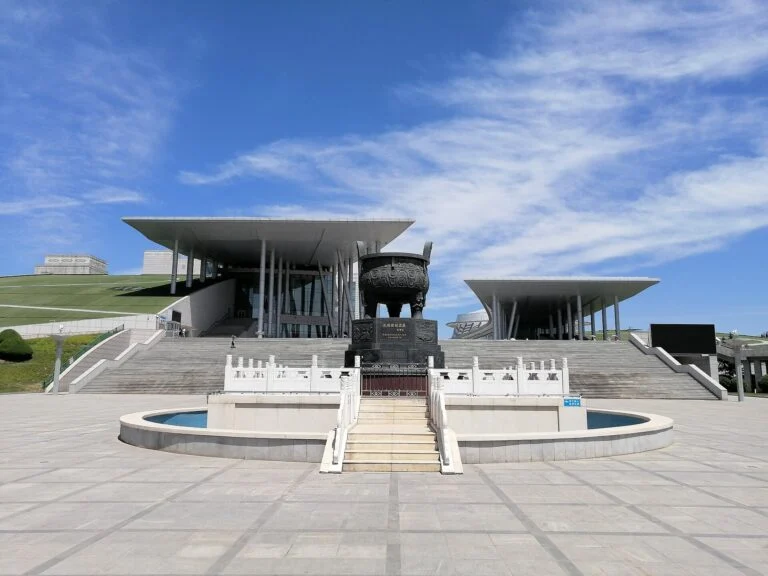
The China Three Gorges Museum is located in Chongqing, a sprawling municipality known for its steep hills and extensive river networks. The museum’s site situates it prominently within the urban landscape, close to the Yangtze River itself, enhancing its thematic connection to the waterways and the region it explores.
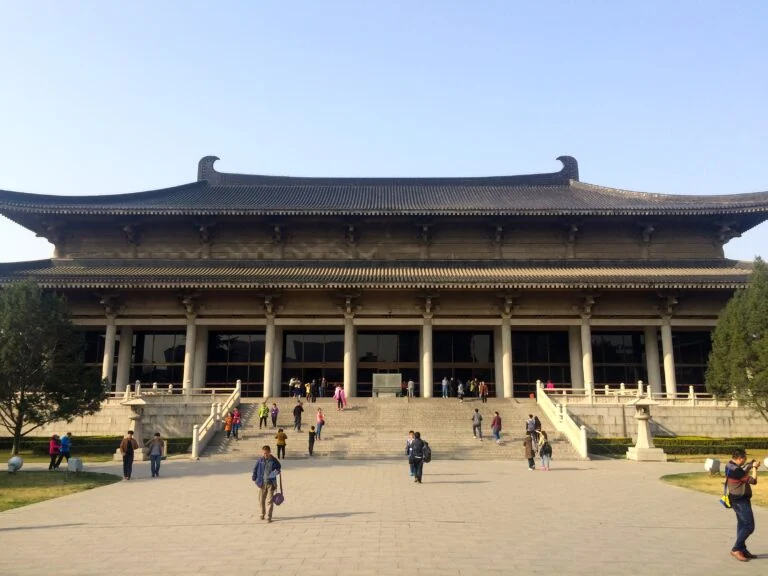
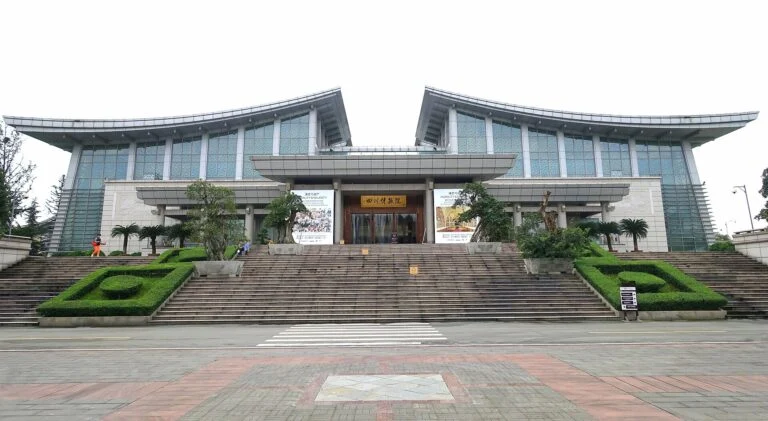
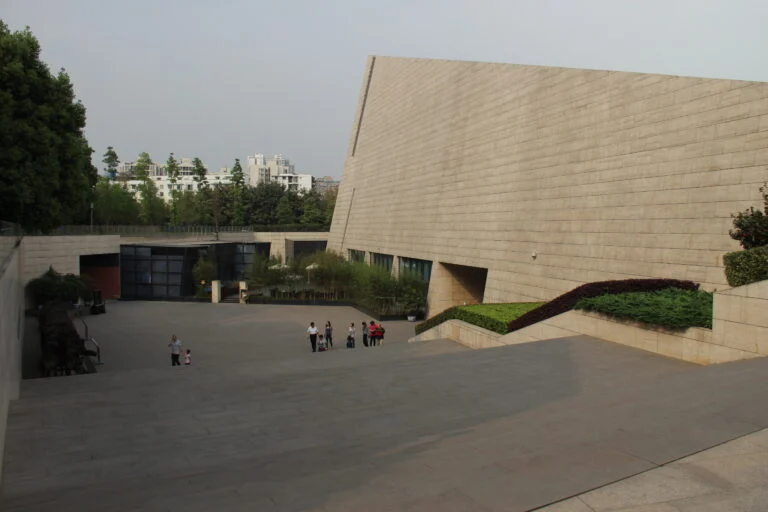
Architecturally, the building combines modern design with elements intended to reflect local cultural aspects. It is organized over multiple floors and includes spacious galleries, exhibition halls, and public spaces that help accommodate the varied collection themes. The layout generally supports a coherent visitor flow, moving from natural history and ancient culture through to modern developments.
The immediate surroundings include public squares and green spaces, which can offer visitors a moment of respite before or after the museum visit. The riverfront proximity adds an atmospheric dimension, allowing visitors to connect the exhibits with the physical landscape that is at the heart of the museum’s focus.
Practical Information
Details concerning ticketing, opening times, guided tours, and visitor services should be confirmed on the museum’s official website before planning a visit, as these can vary throughout the year or due to special exhibitions and public health considerations. As one of Chongqing’s principal museums, it is likely to be accessible by public transportation, but the specifics of parking and ease of access for those with limited mobility should be verified in advance.
Information in several languages might be limited, as is common outside of the main tourist hubs, so visitors might prepare accordingly if they do not read Chinese. The museum’s displays feature a broad range of media that can help convey the information beyond text panels, but personal research or a guide might enhance understanding for international visitors.
Facilities such as cafés or shops may be present but are not guaranteed, so planning accordingly for refreshments or souvenirs is advisable depending on individual needs.
Why Visit
The China Three Gorges Museum stands out as a focused cultural institution that provides a clearer picture of a significant part of China’s geographical and historical identity. It is particularly valuable for those interested in the interplay between environment and human activity, with the Three Gorges region serving as a compelling case study.
Visitors with interests in archaeology, anthropology, modern engineering projects, or wartime history will find specific sections of the museum that speak directly to these fields. The way the museum positions itself around the massive social and ecological changes brought by the dam project also makes it a thoughtful place for reflecting on contemporary challenges facing China and the world.
While the museum may not offer an exhaustive chronological history of Chongqing or China as a whole, it does present a clear and accessible narrative regarding the city’s local heritage and its integral place in the Yangtze River basin. Its blend of natural and human stories allows for a rounded approach that can appeal to families, educators, researchers, and curious travelers alike.
The museum’s focus on a subject that is geographically and culturally specific means it might not suit visitors looking for a global history or art collection. However, for those seeking to understand one of China’s most dynamic urban regions through its landscape, culture, and modern history, the China Three Gorges Museum is a notable resource. Checking the current exhibitions and events on the official website can also add value to the visit, as the museum occasionally hosts thematic exhibitions that expand or deepen its core topics.