Chesapeake Bay Maritime Museum Review
Maritime Museums · St. Michaels, United States. The Chesapeake Bay Maritime Museum, located in the picturesque town of St. Michaels, Maryland, serves as a vital cultural and historical repository dedicated to the rich maritime heritage of the Chesapeake Bay region. The…
Maritime Museums · St. Michaels, United States. The Chesapeake Bay Maritime Museum, located in the picturesque town of St. Michaels, Maryland, serves as a vital cultural and historical repository dedicated to the rich maritime heritage of the Chesapeake Bay region. The…
Best forMasterpieces, architecture, cultural history
Review focusMaritime collections, ship history, and visitor planning
Historical Context
The Chesapeake Bay Maritime Museum, located in the picturesque town of St. Michaels, Maryland, serves as a vital cultural and historical repository dedicated to the rich maritime heritage of the Chesapeake Bay region. The Bay, one of the largest estuaries in the United States, has long been central to the life, commerce, and ecology of the mid-Atlantic, influencing the local economy, community identities, and environmental policies. Founded in the mid-20th century, the museum captures the Bay’s significance through a comprehensive narrative that spans from the Native American tribes and early European settlers to the modern-day fishing industry and recreational boating culture. Its mission goes beyond simple preservation; it seeks to educate the public about the maritime traditions, handicrafts, ecological importance, and changing technologies impacting the waterway. In a time when coastal regions face environmental challenges and shifting economic landscapes, the Chesapeake Bay Maritime Museum offers an essential window into both the historical fabric and contemporary stewardship of this unique ecosystem.
What You See on Arrival
Approaching the Chesapeake Bay Maritime Museum, visitors are immediately greeted by an inviting waterfront setting that speaks to the maritime themes within. The museum’s sprawling campus is comprised of multiple buildings and outdoor exhibits arrayed along the Miles River, offering sweeping views of the Bay’s serene waters and docked historic vessels. At the entrance, a visitor center serves as both an introduction and orientation point, providing maps, schedules, and helpful staff members ready to assist. The campus exudes a gentle charm through its combination of restored waterfront warehouses, boat sheds, and meticulously maintained docks, evoking the historical atmosphere of a working maritime village. Signage and pathways lead guests naturally toward the core exhibits while encouraging exploration of the docks where classic Chesapeake sailing craft and skipjacks often rest. The setting not only frames the museum’s purpose with authenticity but also engenders a feeling of stepping back in time, inviting contemplation of the bay’s enduring relationship with its human inhabitants.
Highlights and Key Exhibitions
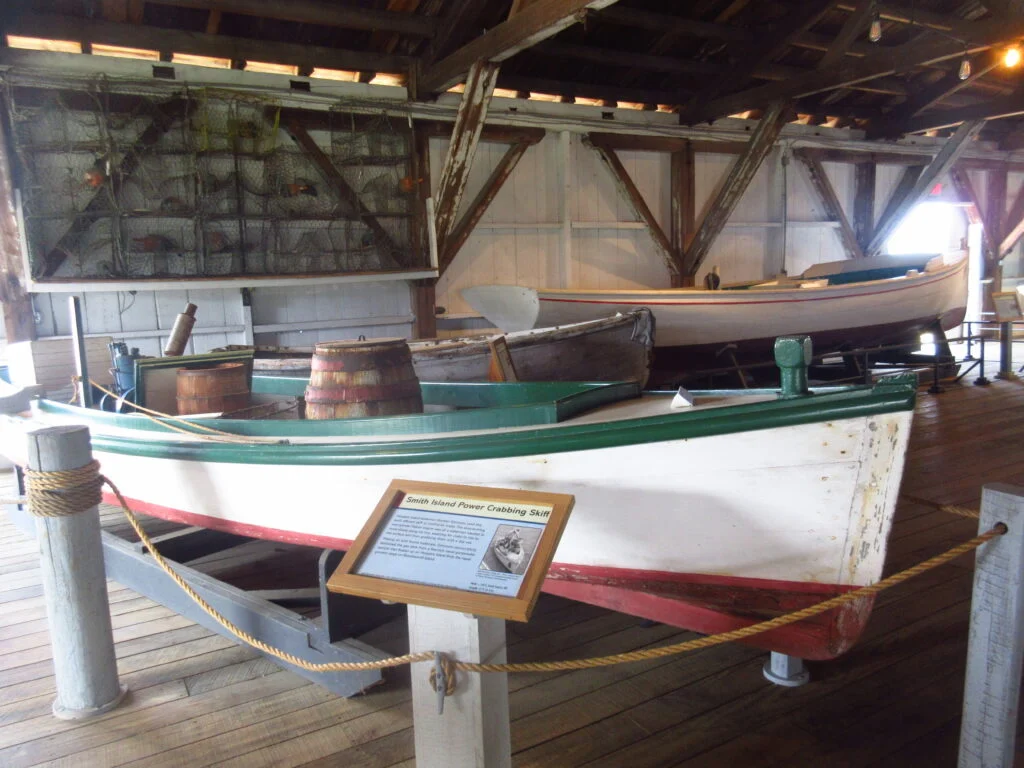
Visitors to the Chesapeake Bay Maritime Museum can expect an encompassing experience that showcases a variety of artifacts, vessels, and interpretive displays. Among the key draws are the collection of historic boats, including a notable fleet of skipjacks, which are traditional Chesapeake Bay sailing dredgers used historically for oyster harvesting. These vessels exemplify craftsmanship, design, and regional maritime industry, offering insight into labor practices and aquatic ecology. Inside the museum’s indoor galleries, detailed exhibits explore the evolution of Chesapeake Bay watermen’s lives—from Native American innovations in navigation and fishing to the adaptation of European maritime methods. Tools, shipbuilding equipment, and personal items bring the stories of fishermen, traders, and sailors to life. Another highlight is the working boatyard, where skilled craftsmen preserve traditional boatbuilding techniques, often visible to the public, providing an educational aspect that bridges past and present practices. Exhibitions also delve into the environmental history of the Bay, emphasizing conservation efforts and the balance between human activity and marine sustainability. The museum’s academic resources and archives support research and deeper inquiry into the Bay’s complex history.
Visitor Experience
The museum experience is designed to be immersive and accessible to a broad audience, from maritime enthusiasts and historians to families and casual tourists. The blend of indoor exhibits, working boatyards, and outdoor spaces creates a versatile environment that encourages both learning and relaxation. Interactive components, such as hands-on wooden boat-building activities and demonstration events, engage younger visitors and foster a tactile connection to the maritime traditions. Meanwhile, interpretive signage and well-curated galleries provide ample information for those seeking a comprehensive understanding of the region’s maritime past. The staff and docents are known for their expertise and hospitality, enhancing the educational value through guided tours and personal interactions. The facility thoughtfully integrates coastal landscape views into the experience, allowing visitors to appreciate not only the artifacts but also the natural environment these vessels and industries depended upon. Seasonal variations influence what is on display and the availability of boat rides or water-based programming, which adds a dynamic element to visits throughout the year.
Tickets, Access, and Planning
Planning a visit to the Chesapeake Bay Maritime Museum requires consideration of seasonal hours and ticket options, which are clearly outlined on the official website. Admission fees are structured to provide good value, with reduced rates for seniors, youth, and groups. Memberships offer additional benefits for repeat visitors or those wishing to support the institution. The museum is situated in a small town, and parking is available on-site, though limited during peak seasons, so advance planning is advised. Accessibility is a priority, with many areas, including main exhibitions and restrooms, wheelchair accessible. The waterside location means that some outdoor pathways involve uneven terrain, and visitors with limited mobility may wish to inquire about available accommodations or virtual programming. Public transportation options in St. Michaels are limited, making private transport the most practical means of arrival. Nearby amenities, including dining and lodging, complement a visit, allowing for a full-day or multi-day experience centered around the museum’s offerings.
Final Verdict
The Chesapeake Bay Maritime Museum stands as a distinguished institution preserving the maritime legacy of one of America’s most storied and environmentally significant regions. It succeeds in balancing historical depth with engaging presentation, making the Bay’s past accessible and relevant to diverse audiences. The museum’s setting on the shores of the Miles River adds an irreplaceable authenticity that enriches every exhibit and program. While perhaps best appreciated by those with a keen interest in nautical history and maritime culture, the museum’s clear interpretive efforts and interactive features extend its appeal to families and casual visitors. Challenges include limited seasonal programming and the logistical considerations of visiting a small town, but these are minor in comparison to the institution’s overall strengths. For anyone seeking to understand the Chesapeake Bay’s vital role in American maritime history and contemporary stewardship, the Chesapeake Bay Maritime Museum offers a deeply rewarding and thoughtfully curated experience.