South Street Seaport Museum Review
Maritime Museums · New York City, United States. The South Street Seaport Museum, located in the heart of New York City’s historic Seaport district, plays a pivotal role in preserving and interpreting the maritime heritage of the region. Established in 1967, the…
Maritime Museums · New York City, United States. The South Street Seaport Museum, located in the heart of New York City’s historic Seaport district, plays a pivotal role in preserving and interpreting the maritime heritage of the region. Established in 1967, the…
Best forMaritime history, ships, harbour heritage
Review focusCollections, visitor experience, and practical planning
Historical Context
The South Street Seaport Museum, located in the heart of New York City’s historic Seaport district, plays a pivotal role in preserving and interpreting the maritime heritage of the region. Established in 1967, the museum is dedicated to the city’s rich mercantile past, highlighting New York’s development as a bustling port and hub of international trade. The museum’s collection encompasses a broad range of artifacts that document the evolution of maritime industry, shipbuilding, and seafaring life from the early 19th century through to the present day. The location itself is significant; the Seaport district was once one of the busiest shipping ports in the world, integral to the economic growth of New York and the United States. While the area has undergone significant transformation in recent decades, the museum serves as a vital link to the city’s maritime legacy. Its mission extends beyond simple preservation, aiming to educate visitors on the cultural and economic impact of maritime trade and the lives of those connected to the sea.
What You See on Arrival
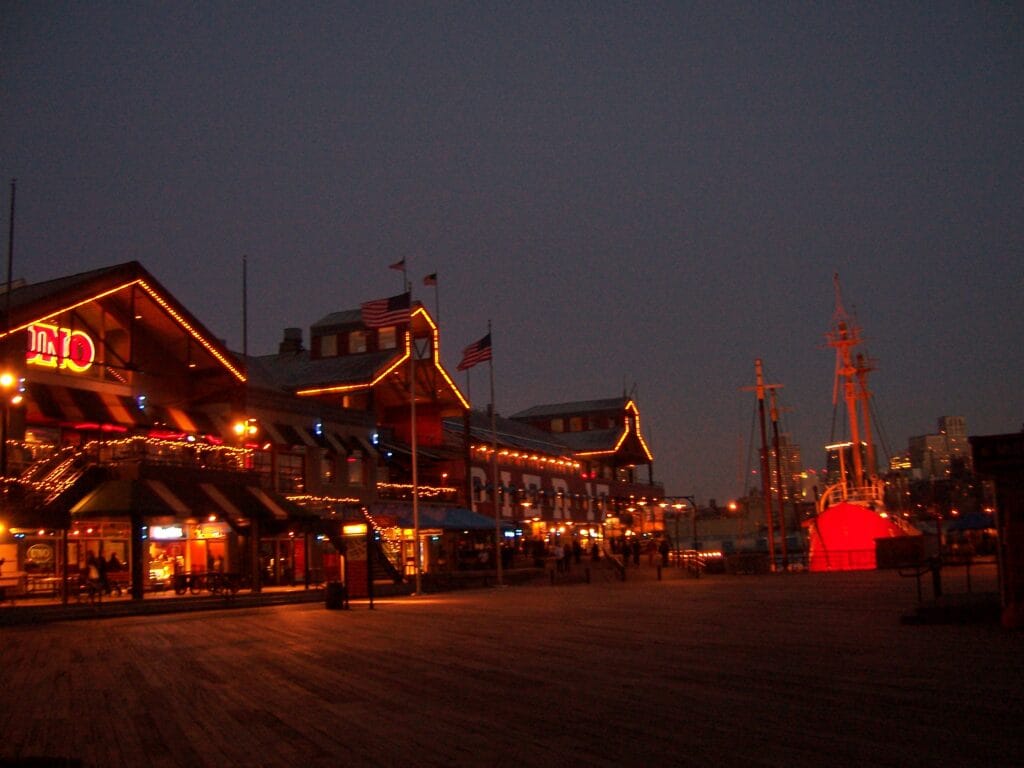
Approaching the South Street Seaport Museum, visitors are greeted by the evocative atmosphere of an authentic waterfront setting. The museum is centered around several historic buildings and piers that line the East River, offering panoramic views of the Brooklyn Bridge and the iconic Manhattan skyline. The sight of vintage sailing ships moored in the harbor immediately communicates the museum’s thematic focus. These vessels, some of which are part of the museum’s floating collection, represent a living connection to the maritime past and serve as dynamic exhibits in their own right. The surroundings are characterized by cobblestone streets and restored 19th-century maritime architecture, fostering a genuine sense of place. Nearby, traditional shops, eateries, and open-air vendors contribute to an inviting environment that blends history with contemporary urban life. This initial visual and atmospheric context effectively sets the tone for what unfolds inside the exhibits and maritime artifacts.
Highlights and Key Exhibitions
The South Street Seaport Museum boasts a robust collection that emphasizes both the city's and the nation’s maritime history. Core to the experience is the museum’s fleet of historic ships, including schooners and other traditional sailing vessels, which are accessible for self-guided tours and serve as tangible artifacts illustrating 19th-century ship design and seafaring techniques. These vessels provide unique opportunities to explore ship construction, rigging, and the daily lives of sailors.
On land, the museum’s galleries house a diverse array of exhibits encompassing ship models, navigational instruments, maritime art, and archival documents. Of particular note is the intricate craftsmanship visible in the ship models, which capture key vessels from different periods relevant to New York’s maritime activity. Visitors can delve into the history of immigrant trade, the evolution of harbor technology, and the role of maritime commerce in shaping urban industrial landscapes.
The museum’s educational displays thoughtfully balance technical maritime details with broader social history, including stories of the sailors, dockworkers, and families who depended on the port. The waterfront setting itself acts as an open-air extension of the exhibitions, enabling an immersive exploration of maritime trade and urban development. While the museum’s premises focus largely on historical content, it also offers interpretative programs that contextualize the ongoing relevance of maritime heritage in contemporary urban life.
Visitor Experience
The South Street Seaport Museum offers a multifaceted visitor experience that combines indoor exhibits with outdoor exploration. The opportunity to tour historic ships provides a hands-on dimension often absent from traditional museums, fostering engagement through spatial immersion on actual decks. These tours, while self-directed in tone, are supported by informational placards and occasionally guided talks, which enhance understanding of maritime traditions.
The interior galleries maintain a clear and accessible layout, with interpretive labels that are informative without overwhelming. The content management balances educational depth with readability, appealing to a wide range of audiences including families, history enthusiasts, and scholars. However, some visitors might find that certain exhibits could benefit from additional interactive or multimedia elements to cater to modern expectations of engagement.
The museum’s waterfront location means visitors also enjoy environmental factors such as fresh air, water views, and proximity to other attractions, contributing to a holistic day out. The surrounding neighborhood, with its blend of historic charm and modern development, complements the museum visit, allowing for extended exploration. Seasonal weather can influence the experience, as much of the outdoor component is best appreciated in fair conditions.
Tickets, Access, and Planning
Admission to the South Street Seaport Museum is reasonably priced, with options available for adults, seniors, students, and children, along with family passes that encourage group visits. Discounts often apply for local residents and for those visiting on specific days or times. While ticket purchase can be made on-site, advance booking through the official website is recommended during peak seasons to avoid queues and ensure access to special vessel tours or programs.
The museum is conveniently located with easy access from multiple public transportation options, including subway lines and buses. For those driving, nearby parking facilities are available but can be limited during busy periods due to the district’s popularity and urban setting. The museum strives for accessibility, with ramps and accommodations for visitors with mobility impairments, though the historic nature of some vessels may pose challenges for full access on ships.
Visitors planning their trip should consider the museum’s operating hours, which can vary seasonally, and check for any public programming or guided tour schedules that might enhance the visit. Facilities such as restrooms, a gift shop, and seating areas are provided, though amenities are modest and reflect the museum’s emphasis on authenticity and historic preservation over commercial development.
Final Verdict
The South Street Seaport Museum offers a richly layered exploration of New York City’s maritime history through an engaging mix of land-based exhibits and authentic historic vessels. Its location within a historically significant waterfront enclave enhances the museum’s narrative, lending an immersive quality difficult to replicate in more conventional settings. The ship tours are a standout feature that elevates the experience beyond static displays and effectively conveys the working life of sailors and the technical aspects of maritime craft.
Although some gallery spaces might benefit from further modernization and added interactive components, the museum largely succeeds in making maritime history accessible and compelling for diverse audiences. It balances educational rigor with approachable storytelling and leverages its unique setting to provide an experience that is both intellectually stimulating and visually captivating.
For visitors with an interest in maritime heritage, urban history, or the development of New York City as a global port, the South Street Seaport Museum represents a crucial cultural resource. It invites contemplation not only of the past but also of the enduring connections between the city, its waterways, and its people. While not a large institution, its focused collections and distinctive environment offer a memorable and worthwhile visit for those seeking a deeper understanding of the city’s relationship with the sea.