Hampton Roads Naval Museum Review
Maritime Museums · Yorktown, United States. The Hampton Roads Naval Museum, situated in Yorktown, United States, serves as a vital repository of naval history, with a distinctive focus on the rich maritime heritage of the Hampton Roads region. This area…
Maritime Museums · Yorktown, United States. The Hampton Roads Naval Museum, situated in Yorktown, United States, serves as a vital repository of naval history, with a distinctive focus on the rich maritime heritage of the Hampton Roads region. This area…
Best forMaritime history, ships, harbour heritage
Review focusMaritime collections, ship history, and visitor planning
Historical Context
The Hampton Roads Naval Museum, situated in Yorktown, United States, serves as a vital repository of naval history, with a distinctive focus on the rich maritime heritage of the Hampton Roads region. This area stands at a strategic confluence where the James, York, and Nansemond Rivers merge into the Chesapeake Bay, making it pivotal in U.S. naval operations and American naval history. The museum closely ties its narrative to the broader story of the U.S. Navy's development, especially highlighting the role played by the region during the American Revolutionary War, the War of 1812, the Civil War, and World War II. Its location at the historic site of Yorktown — well-known for George Washington’s decisive victory in the American Revolutionary War — further intensifies its relevance. The museum exemplifies how naval power and technological innovation, combined with strategic geography, have shaped both local and national history over the centuries. It offers historians and visitors alike an immersive view into the evolution of naval warfare, shipbuilding, and the maritime culture that has influenced the military and economic narrative of the United States.
What You See on Arrival
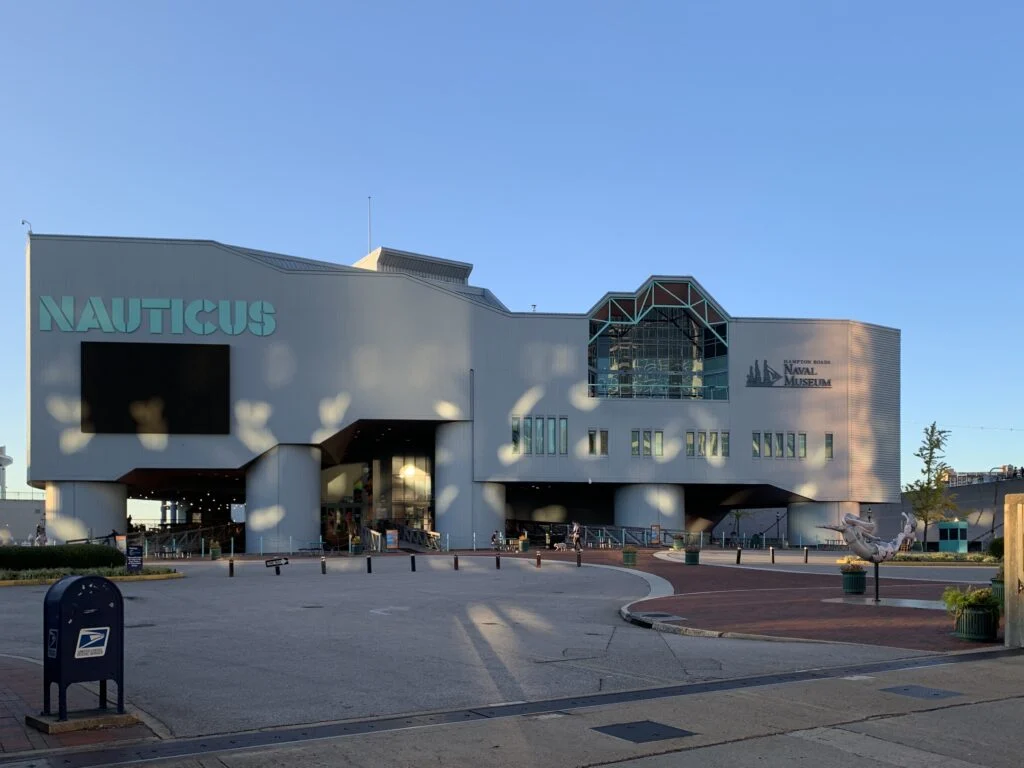
On arrival at the Hampton Roads Naval Museum, visitors are greeted by a structure that artfully blends historic architectural elements with modern museum design. The building itself is not just a vessel for exhibits; it stands as part of the experience, evoking a sense of place connected to its maritime surroundings. Positioned close to the water’s edge, the museum commands a scenic view of the York River, which adds contextual depth to the naval stories housed inside. The entryway leads into a well-organized space that sets a respectful and contemplative tone. Early exhibits include large-scale maps, historic naval artifacts, and detailed models which immediately convey the strategic importance of the Hampton Roads region. The layout is intuitive, guiding visitors through a chronological arrangement that mirrors naval history, punctuated by thematic showcases related to specific conflicts, technological milestones, and the lives of sailors. Immediate impressions reveal a museum designed to engage a broad audience — from casual visitors and families to military enthusiasts and scholars.
Highlights and Key Exhibitions
The Hampton Roads Naval Museum features several notable exhibitions that stand out for their depth and curatorial quality. One of the central highlights is the comprehensive presentation on the Battle of Yorktown, which ties the locale’s historic military significance into broader American Revolutionary War narratives. This exhibition meticulously explores naval strategies and the critical role of sea power in achieving victory, employing interactive displays combined with authentic artifacts. Another significant focus is on the region’s role during the Civil War, including naval battles and blockades that shaped the conflict’s outcome. Visitors will find detailed dioramas and first-hand accounts that bring to life the tensions and innovations of that era.
Technological innovation is another key theme, with exhibitions tracing the evolution of naval vessels from wooden sailing ships to steel battleships and submarines. Model ships, historical photographs, uniforms, and weaponry are featured, offering insight into the everyday lives and challenges faced by naval personnel. The museum also highlights the importance of the Hampton Roads area during World War II, underscoring its role as a vital naval hub for deployment and shipbuilding.
A strong educational component is embedded within these exhibitions through interpretative panels and multimedia resources. The efforts to balance technical detail with accessibility make the displays suitable for all ages and levels of prior knowledge, enhancing the overall appeal.
Visitor Experience
The visitor experience at the Hampton Roads Naval Museum is characterized by its blend of educational rigor and engaging storytelling. The space is thoughtfully arranged to facilitate smooth movement, preventing overcrowding and allowing for intimate encounters with the exhibits. Staff and volunteers are noted for their friendliness and readiness to provide additional context or answer questions, enriching the visitor’s understanding.
Planning to accommodate different learning styles, the museum incorporates various media, including video presentations, interactive touchscreens, and audio guides, which offer a multi-sensory experience. The use of first-person narratives and personal stories helps humanize the historical content, making it relatable and compelling beyond the technical or military focus.
However, some visitors may find certain sections heavy with detailed military terminology or technical descriptions, which could challenge those without a background in naval history. The museum does well to offer introductory materials and glossaries that assist in comprehension, but some level of prior interest or patience may enhance enjoyment.
Adequate seating areas and rest spaces are available throughout, acknowledging the physical demands of exploring detailed exhibitions. Additionally, the museum’s proximity to other historical sites in Yorktown offers a compelling opportunity for visitors to situate their understanding of naval history within a broader historical and geographical context.
Tickets, Access, and Planning
The Hampton Roads Naval Museum is committed to accessibility and visitor convenience. Entry is generally free, reflecting its status as a public institution supported by the Navy and allied organizations, making it an attractive destination for budget-conscious travelers and families. Operating hours are structured to accommodate both weekday and weekend visitors, with special arrangements possible for school groups or large tours.
Access for disabled visitors is thoughtfully addressed, including wheelchair ramps and accessible restrooms. Staff provide assistance as needed to ensure inclusivity. The museum encourages advance planning through its official website, where current hours, events, and any changes to access policies are updated regularly. On-site parking is available but limited, so arriving via local public transportation or coordinated group visits may prove advantageous during peak times.
Visitors are advised to allocate at least one to two hours for a comprehensive visit, allowing time to absorb the detailed exhibits and multimedia features fully. The museum’s location inside Historic Yorktown makes it easy to incorporate into a broader itinerary of the area’s Revolutionary War landmarks, battlefield tours, and waterfront attractions.
Final Verdict
In sum, the Hampton Roads Naval Museum offers a meticulously curated and richly informative exploration of naval history with a distinctive regional emphasis. Its strengths lie in the quality and authenticity of its collections, the narrative cohesion spanning centuries of maritime conflict and innovation, and the thoughtful blending of historical artifacts with modern interpretative techniques. The museum’s physical setting enhances the thematic content, anchoring history in its original geographic context.
While the density of information and military-specific detail may present a challenge for casual visitors, those with an interest in naval history or American military heritage will find the museum an invaluable resource. Its commitment to accessibility, educational outreach, and engagement with diverse audiences further solidify its reputation as a significant cultural institution.
Visitors looking for a deep dive into the naval dimension of American history, set within a timeless and historically resonant environment, will find the Hampton Roads Naval Museum both compelling and enlightening. It stands as an essential stop for historians, educators, military enthusiasts, and anyone intrigued by the nexus of sea, strategy, and national identity in the United States.