Bornholm Railway Museum
Railway Museums · Nexø, Denmark. The Bornholm Railway Museum is a specialized local history museum located in Nexø, a town on the Danish island of Bornholm. The museum focuses on the island’s railway history, presenting a niche aspect of…
Best forTrain lovers, engineering history, family visits
Setting / nearbyNexø, Denmark
Overview
The Bornholm Railway Museum is a specialized local history museum located in Nexø, a town on the Danish island of Bornholm. The museum focuses on the island’s railway history, presenting a niche aspect of Bornholm’s transportation and industrial heritage. While Bornholm itself is better known for its natural scenery and traditional crafts, the museum offers visitors a chance to explore a less visible but significant chapter in the island’s development: the era when railways shaped its connectivity and economy.
Bornholm’s railway network once linked towns around the island, facilitating movement of people and goods before the dominance of road transport. The museum reflects on this past through exhibits that convey how railways affected daily life, commerce, and industry on Bornholm until its decline in the mid-20th century. For anyone interested in the technical and social history of regional transport, the Bornholm Railway Museum provides a focused approach framed by the island’s unique geographic and historical context.
Collection Highlights
The museum’s collection centers on railway equipment, artifacts, and archival materials related to Bornholm’s former rail system. This includes sections of track, points, signals, station furnishings, and machinery used in railway construction and maintenance. Visitors can examine various items that represent the engineering and operational challenges of running an island-based railway.
Historical photographs and documents supplement the collection, illustrating the appearance, routes, and station life of the Bornholm railways during their heyday. These visual archives give insight into how the network integrated into the community and how it connected with ferry services linking Bornholm to mainland Denmark.
Depending on the current display setup, visitors might encounter small rolling stock models or components such as wheels, brake systems, or signalling equipment. These tangible pieces help explain the technology behind early and mid-20th-century railway operation. The museum occasionally hosts special exhibitions or events focusing on aspects like railway worker culture, the impact of war on Bornholm’s railways, or preservation efforts.
While the collection is not extensive in scale compared to large national railway museums, its local specificity makes it a useful resource for understanding how a regional rail system functioned in Denmark’s island context. The items are presented with contextual information that appeals to railway enthusiasts, historians, and curious visitors interested in industrial heritage.
Building and Setting
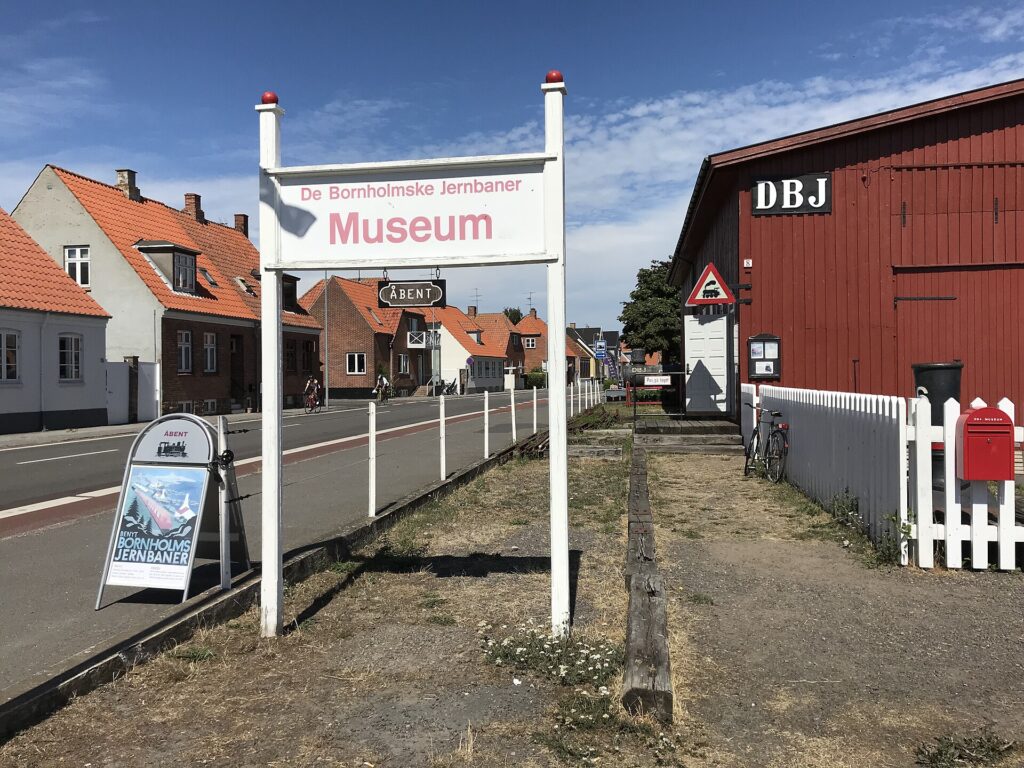
The Bornholm Railway Museum is situated in Nexø, one of the main towns on the island’s southeastern coast. The choice of location ties in naturally with the historical railway network, as Nexø was a key terminus or stop on Bornholm’s rail routes. The museum building itself is modest and functional, appropriate for its specialized focus.
The setting in Nexø allows visitors to combine a museum visit with a walk around the town, where some historical transport-related structures or remnants might still be visible. The island setting gives a distinctive flavor, as Bornholm’s railways were specially adapted for the terrain and transportation needs of a relatively small island community.
Details on the exact layout and architectural features of the building are limited. Visitors planning to explore should expect a straightforward museum space that prioritizes the display of railway artifacts over architectural spectacle. The location provides a tangible link between the exhibits and the physical environment in which the railway operated.
Practical Information
Visitors interested in the Bornholm Railway Museum should consult the official website or local sources to confirm current opening hours, admission conditions, accessibility options, and any visitor guidance that may be in place. Specific details about guided tours, audio guides, or on-site amenities are not consistently documented, so advance verification is advised.
Bornholm’s size and transport links mean that travelers often combine museum visits with broader exploration of the island. Public transport options and parking facilities around Nexø can vary with season and demand; planning ahead is recommended.
The museum’s niche focus may influence its visitor services and opening times, as smaller specialized museums sometimes operate on limited schedules or by appointment. Checking in with local tourist information or the museum’s direct contact points will help avoid disappointment.
Why Visit
The Bornholm Railway Museum appeals most directly to those interested in railway history, industrial heritage, and the specifics of regional transport systems. Its strength lies in providing insight into how railways influenced life on Bornholm, contributing to its economic and social fabric during the time when rail was a key mode of transportation.
For visitors to Bornholm looking beyond landscape and beaches, the museum offers a glimpse into the island’s industrial past framed through a tangible and focused collection. It serves an educational role in preserving knowledge about a transport network that no longer exists but left traces in the island’s development.
At the same time, those expecting extensive or highly interactive exhibits might find this museum comparatively modest. It is best appreciated with an understanding that it documents a specialized historical niche rather than presenting a broad or heavily commercialized visitor experience.
Overall, the Bornholm Railway Museum occupies a particular place among the island’s cultural offerings. It complements Bornholm’s broader story through a careful assembly of railway artifacts and archival materials, suited to visitors who enjoy exploring the practical details of past technologies and their local impact.