Barbados Museum and Historical Society Review
Bridgetown, Barbados. The Barbados Museum and Historical Society, located in the capital city of Bridgetown, holds a pivotal place in the preservation and interpretation of Barbadian history and culture. Founded originally in the mid-20th century, the…
Bridgetown, Barbados. The Barbados Museum and Historical Society, located in the capital city of Bridgetown, holds a pivotal place in the preservation and interpretation of Barbadian history and culture. Founded originally in the mid-20th century, the…
Best forMuseum lovers, culture travelers, first-time visitors
Review focusCollections, visitor experience, and practical planning
Why This Museum Matters
The Barbados Museum and Historical Society, located in the capital city of Bridgetown, holds a pivotal place in the preservation and interpretation of Barbadian history and culture. Founded originally in the mid-20th century, the institution serves as a custodian for the island’s diverse heritage, encompassing its indigenous roots, colonial past, and post-independence evolution. Its significance extends beyond mere artifacts; it functions as a resource for researchers, schools, and the public interested in understanding Barbados not only as a tourist destination but as a Caribbean society shaped by centuries of migration, trade, and cultural exchange.
Unlike some Caribbean museums focusing primarily on picturesque cultural elements, this museum attempts a more comprehensive portrayal of Barbadian life, including both the achievements and struggles of its people. This is relevant not just for local citizens reaffirming their identity, but for the wider global audience probing Caribbean history from multiple angles, including colonialism, slavery, and emancipation. In the context of Barbados’s role in the Atlantic world, the Barbados Museum provides material grounding for stories that are often fragmented or overlooked in broader historical narratives.
The Collection in Focus
The museum’s collection is notable for its breadth and local specificity. Visitors can expect to encounter a variety of objects ranging from Arawak Amerindian artifacts to colonial-era mementos, plantation records, and items illustrating daily life across eras. Archaeological finds, old maps, photographs, and documents offer tangible links to the island’s past. Among the more striking pieces are those related to sugar cane cultivation, which dominated Barbados’s economy for centuries, and objects tied to the forced migration and labor of enslaved Africans.
Cultural expressions such as traditional musical instruments and religious paraphernalia also appear throughout the displays, underscoring the island's eclectic social fabric. The museum does not claim to have the largest collection in the Caribbean, but it holds a well-curated selection intended to communicate key historical narratives clearly and effectively.
One potential limitation is the relative modesty of the exhibits’ scale and some displays’ aging presentation style. While this lends an intimate, almost documentary quality to the museum, it might feel less dynamic for those used to heavily digitized or interactive exhibitions. However, the focus remains on authentic artifacts and archival materials, which are rare and invaluable for serious historical inquiry.
How the Story Is Told
The storytelling here relies heavily on chronological and thematic sequencing, structured to guide visitors from Barbados’s earliest known history through colonial developments and into the contemporary era. Exhibits are arranged in a way that emphasizes continuity but also marks key turning points—economic shifts, political changes, and social transformations.
Interpretive text is provided alongside artifacts but generally favors straightforward, factual descriptions rather than elaborate narrative techniques or multimedia embellishments. This approach can be beneficial for visitors seeking a factual foundation but may leave those looking for engaging storytelling wanting more.
Moreover, the museum’s explanatory panels occasionally assume a degree of prior knowledge about Caribbean history. For international visitors unfamiliar with the complexities of the region’s past, some additional context or interpretive support might enhance comprehension. That said, the presentation avoids overly academic language, and the institutional voice is clear and respectful.
The museum’s reliance on traditional display cases and printed materials means the exhibitions have a somewhat static feel but maintain a solid documentary integrity. The use of photographs and personal documents particularly helps to humanize the historical record, connecting historical events to individual lives and social experiences.
The Visitor Experience
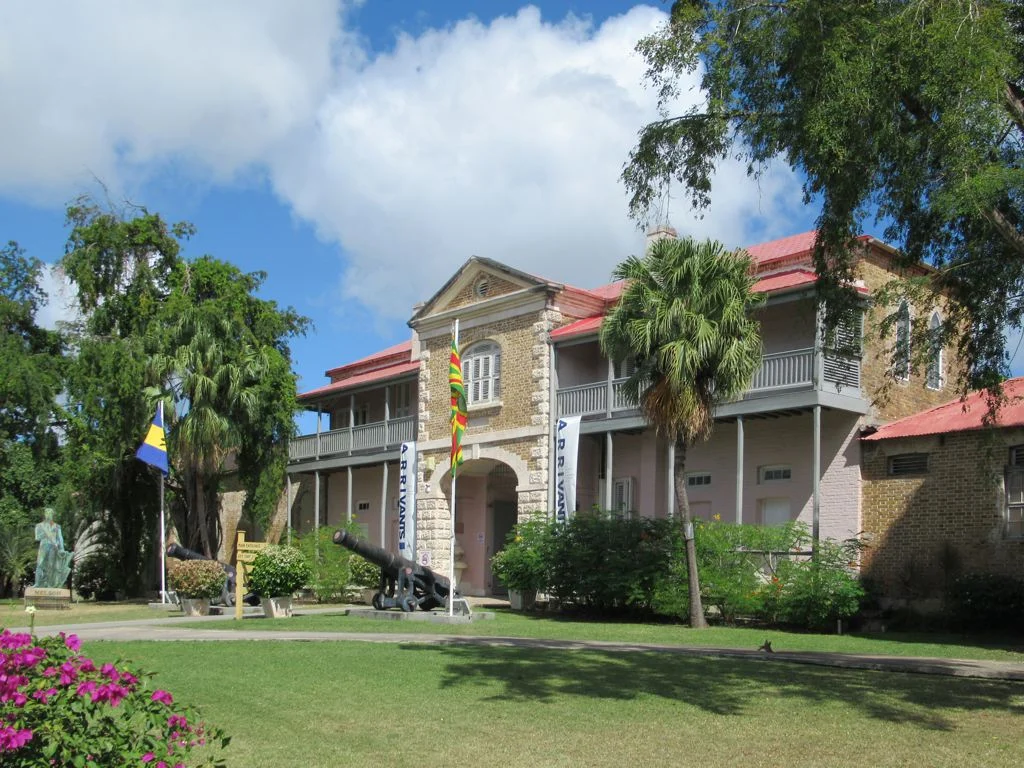
Atmospherically, the museum occupies the former military prison in Garrison Historic Area, a setting that itself evokes Barbados’s colonial history. The structure is plain but suitable, giving a quiet ambiance that allows visitors to focus on the exhibits without commercial distractions.
The layout can feel a bit cramped in places given the historic building’s limitations. This restricts free movement, especially during peak visitor times, which can lead to a subdued rather than bustling museum environment. The lighting in some galleries is subdued, likely to protect sensitive materials, but it occasionally makes reading labels challenging.
Signage throughout is consistent, though the placement and size of fonts might occasionally under-serve visitors with visual impairments. The overall interpretive approach encourages a calm, studied pace rather than a thrill-seeking rush. Visitors inclined towards deep dives into regional history will find this conducive; families with young children might find the experience less immediately engaging.
The museum’s staff and volunteers are generally knowledgeable and can provide useful answers when approached, though their presence in galleries is not always prominent. Audio guides or digital supplements do not appear to be standard features, so visitors reliant on such aids should verify availability in advance.
Who Will Enjoy It Most
This museum suits several types of visitors. Academics and students focusing on Caribbean studies will find a valuable repository of primary materials and regionally specific artifacts. History enthusiasts interested in the colonial Atlantic, slavery, and post-colonial development will appreciate the depth of archival objects on display.
Local visitors and Barbadian diaspora members seeking a connection to their heritage will find reassurance in the museum’s careful curation and community links. The museum often collaborates with local groups to maintain relevance for contemporary Barbadian culture, a factor that adds meaning beyond the purely historical.
Conversely, travelers solely interested in light entertainment or quick cultural fix may regard the museum as too subdued or narrowly focused. The lack of interactive elements or extensive contextual multimedia might mean less appeal for casual visitors accustomed to highly produced visitor centers.
Planning the Visit
Potential visitors should check the museum’s official website prior to planning their visit to confirm current opening times, admission policies, accessibility arrangements, and the availability of tours or additional programming. Given the museum’s modest size relative to major metropolitan museums, there is no reason to expect long waits, but seasonal visitor flows can vary.
Arriving in Bridgetown in person allows for convenient access to the museum, which is located near other historical sites, making it possible to combine several visits into a single day. It is advisable to allocate enough time for a measured exploration of the galleries, as scanning the exhibits too quickly might diminish the overall understanding of key historical themes presented.
The museum does not prominently advertise amenities such as cafés or retail outlets internal to the facility. Visitors should plan accordingly and consider facilities available within the wider Garrison area.
Editorial Verdict
The Barbados Museum and Historical Society offers a serious, straightforward engagement with the island’s multifaceted history. Its strength lies in the grounded authenticity of its collections and a clearly defined mission to preserve Barbados’s heritage within its political, social, and economic context. While its exhibitions do not employ the elaborate technological displays or spectacle common to some contemporary museums, this sobriety lends a documentary rigor well suited to researchers and history-minded visitors.
The museum’s location in a historic military building reinforces its narrative focus but may impose some spatial constraints that affect visitor flow and comfort. Interpretive materials are informative but could benefit from expanded context for international audiences less familiar with Caribbean history. The overall atmosphere encourages reflection rather than rapid exploration.
For those seeking a detailed, artifact-based exploration of Barbados’s history, from indigenous beginnings through to modern-day identity, this museum remains an indispensable stop. It is less suited to the casual tourist aiming for a quick overview or interactive experience but stands as a vital institution committed to the careful stewardship of Barbados’s cultural and historical record.
As with all visits, confirmation of the latest practical details is recommended through direct consultation with the museum’s official resources. This ensures visitors approach the museum well-informed and able to engage fully with its distinctive holdings.