Museo de Bellas Artes de Granada Review
Art Museums · Granada, Spain. The Museo de Bellas Artes de Granada is situated in the historic city of Granada, southern Spain, a location deeply tied to the cultural and artistic developments of Andalusia. Established during the early 19th…
Art Museums · Granada, Spain. The Museo de Bellas Artes de Granada is situated in the historic city of Granada, southern Spain, a location deeply tied to the cultural and artistic developments of Andalusia. Established during the early 19th…
Best forArt lovers, visual culture, architecture
Review focusCollections, curatorial focus, and visitor planning
Historical Context
The Museo de Bellas Artes de Granada is situated in the historic city of Granada, southern Spain, a location deeply tied to the cultural and artistic developments of Andalusia. Established during the early 19th century, this museum reflects the broader 19th-century European trend of institutionalizing art collections formerly housed in convents, palaces, and private estates. It emerged as an effort to preserve and exhibit works that capture the artistic heritage of the region and Spain more broadly, at a time when political upheavals and secular reforms threatened many religious and aristocratic collections.
Granada itself, with its unique convergence of Christian and Islamic histories, provides a historic backdrop that permeates the museum’s collection despite its primary focus on Christian art. The museum occupies the old Convent of the Capuchin nuns, a Renaissance building that has its own historical significance. The transformation of this religious building into a public art institution parallels the evolution of Spain’s cultural policy during the post-Enlightenment period, emphasizing broader public access to artistic patrimony. While the museum’s foundation was linked to national efforts to organize fine arts collections in provincial capitals, its ongoing role is as a custodian of works tracing Andalusian Baroque painting, Renaissance art, and religious iconography.
Though its beginnings are intertwined with a city famous worldwide for the Alhambra and historically Muslim heritage, the Museo de Bellas Artes de Granada primarily presents a collection rooted in the Christian artistic tradition of post-medieval Spain. It represents an essential node in understanding how Spanish artistic identity evolved regionally and nationally in the centuries after the Reconquista. This context sets the stage for assessing the institution not just as a repository of art but as a reflection of changing cultural priorities within Granada and Spain.
What You See on Arrival
Visitors approaching the Museo de Bellas Artes de Granada are met with the imposing yet understated façade of a former convent dating back to the Renaissance. The building’s sober exterior is marked by its functional simplicity contrasted with subtle architectural details typical of religious establishments of its era—arched windows, stone masonry, and a quiet presence that blends into the surrounding urban fabric. The museum sits within the historic center of Granada, near the Cathedral and other landmarks, framing it as part of a concentrated area of cultural institutions. Without the fanfare or avant-garde architectural design of more contemporary museums, the building presents itself as a place focused on its collection rather than on dramatic visitor spectacle. The entrance does not prepare visitors for a flashy or multimedia-heavy experience; instead, it hints at a traditional museum devoted to fine arts, with a strong connection to the city’s heritage. Signage is clear but restrained, directing visitors indoors with little in the way of promotional excess.
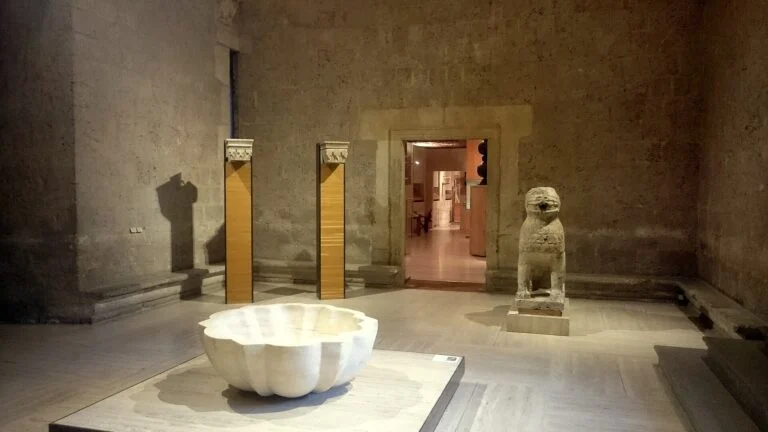
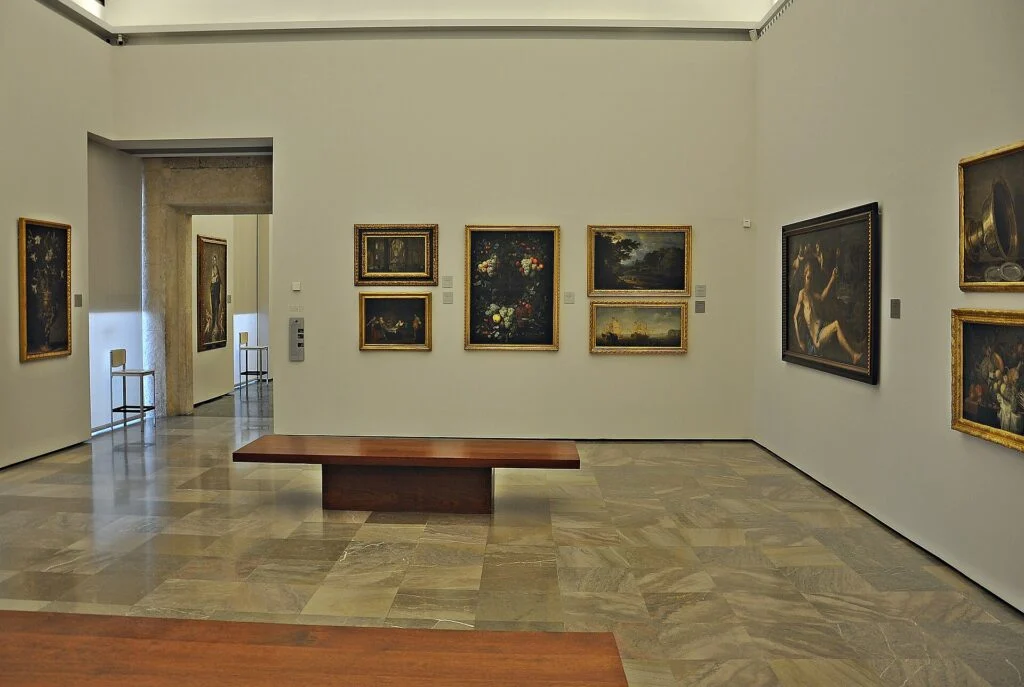
Inside, the visitor can expect galleries characterized by classic museum design—high ceilings, neutral walls, and well-lit rooms intended for paintings and sculptures. The transition from the Renaissance convent architecture to exhibition space preserves some historical elements, embedding visitors in a layered environment that connects Granada’s religious past with its artistic present. This institutional framing emphasizes the continuity of tradition and the importance of preservation, setting a tone of contemplative engagement with the artworks.
Highlights and Key Exhibitions
The Museo de Bellas Artes de Granada’s collection is anchored in Andalusian art, with particular strength in paintings from the 16th to the 18th centuries. It offers a focused survey of regional artistic production that complements the broader narrative found in Spain’s major national museums. The museum’s holdings cover religious paintings, portraits, and works by prominent local artists, alongside carefully selected items illustrating broader Spanish Baroque and Renaissance styles.
One of the museum’s chief strengths lies in its collection of religious art, reflecting Granada’s deeply rooted Catholic tradition. Paintings depicting biblical scenes, saints, and martyrdoms dominate the galleries, offering insight into the devotional and artistic priorities of the region over multiple centuries. This emphasis on sacred themes also makes the museum a valuable resource for understanding the role of art in religious life and the cultural history of Granada.
Notable artists represented include Alonso Cano, a key figure who was not only a painter but also a sculptor and architect, closely associated with Granada. His works foreground both artistic skill and emotional intensity, and several pieces attributed to him provide a focal point of the collection. Other artists include Juan de Sevilla, Miguel Jerónimo de Cieza, and José de Ribera, whose works contribute to the sense of a rich local tradition within the context of Spanish Baroque painting.
Beyond paintings, the museum also holds sculptures, including religious figures originally intended for churches and convents, emphasizing the interplay of two- and three-dimensional devotional art. Although the sculpture collection is smaller compared to the paintings, it remains an important component for understanding the artistic production of the period and its regional variations.
In addition to the strong presence of 17th-century Baroque art, there are Renaissance works that reflect the moment when Granada and the rest of Spain were crafting a distinct artistic identity. These earlier pieces tend to be more restrained in style but are crucial for tracing the development of artistic themes and techniques.
The museum does not extend deeply into contemporary art, focusing instead on historical periods roughly spanning the Renaissance to the 18th century. This focus means the visitor’s experience is mainly shaped by classical religious and portrait art forms rather than experimental or modernist expressions, which could be seen as a limitation for those expecting broad chronological coverage.
Visitor Experience
The Museo de Bellas Artes de Granada offers a contemplative experience well suited to visitors interested in religious art and Spanish Baroque painting. Its relatively small size, especially compared to major national museums, allows for a measured and deliberate pace. Visitors can engage carefully with individual works without feeling overwhelmed by the scale of the collection.
Interpretative materials tend to be clear and concise, generally emphasizing historical context and artistic detail without excessive jargon. Labels and wall texts provide necessary background on artists, dates, and artistic movements, although those seeking deeper academic insight may find the coverage somewhat basic. The museum’s focus on specific periods and themes means that interpretation can stay tightly centered on the collection’s core strengths rather than spreading thin over unrelated topics.
Audience-wise, the museum suits art enthusiasts with a particular interest in Granada’s artistic heritage or in Spanish Baroque painting more widely. It also complements visits to nearby historical sites, providing a solid artistic counterpoint to the city’s rich architectural and cultural fabric. Visitors less familiar with religious iconography or Spanish art history might find some of the themes less accessible without prior knowledge, though the museum’s contained size reduces the potential for cognitive overload.
Flow through the galleries generally encourages a chronological or thematic progression, facilitating a coherent narrative about Andalusian art developments. The physical layout respects the original convent structure, which can influence visitor movement patterns. This blending of architectural preservation with display needs contributes both positively and negatively: it enriches the atmosphere but may constrain space or visibility in some areas.
The museum does not heavily employ interactive or digital technologies, making it a quieter, more traditional museum experience. This approach will appeal to visitors focused mainly on art viewership rather than multimedia engagement but could feel limiting for those expecting more diversified interpretive formats. In balance, the museum provides a focused, careful presentation that foregrounds the artworks themselves.
Tickets, Access, and Planning
Conservative information about practicalities is necessary, as the museum’s official website is the best source for current details regarding opening hours, ticket prices, discounts, and accessibility provisions. Sources vary regarding these topics, so prospective visitors should verify before planning a visit.
The Museo de Bellas Artes de Granada is located in the historic center of the city, a pedestrian-friendly area clustered with other cultural landmarks. This central location means the museum is generally easy to reach on foot or by public transport, depending on local infrastructure and visitor origins.
Because the museum occupies a centuries-old convent building, it may have some limitations in terms of accessibility for visitors with mobility issues. While efforts might have been made to improve access, the historic architecture naturally imposes constraints. Interested visitors should consult official resources to ensure their needs can be met.
Ticketing and visiting conditions may vary, especially during holidays or special local events. The museum’s generally moderate size suggests that overcrowding is less likely than at larger institutions but planning for some busy periods, such as weekends in high season, is prudent.
There is no confirmed information here about the presence of cafés, shops, or ancillary visitor amenities, so visitors should plan accordingly. Relying on the museum's official communications for updates on guided tours, audio guides, or educational programs is advisable, as these offerings may evolve.
Final Verdict
The Museo de Bellas Artes de Granada stands as a focused institution presenting a rich though specialized picture of Andalusian and Spanish art chiefly from the Renaissance to the Baroque period. Its location in a former convent in Granada’s historic center provides a setting that complements the collection’s religious and historical character. The museum’s strengths lie in the quality and concentration of its paintings, particularly its holdings of Baroque religious art and works by important local figures like Alonso Cano.
This museum is well-suited to visitors with an articulated interest in Spanish art history or religious iconography and those seeking to deepen their understanding of Granada’s cultural past beyond its famed Islamic heritage. Its relatively modest size and traditional display style encourage reflection and close viewing, although expectations should be managed regarding the absence of contemporary art, large-scale collections, or high-tech interpretative resources.
On the practical side, the museum’s placement in the city’s cultural core offers logistical convenience, but the historic nature of its building may present some accessibility challenges. Prospective visitors should consult the official website to confirm current visiting conditions, ticketing, and any available services. The museum’s quietly authoritative stance reflects the priorities of preservation and scholarly presentation more than entertainment or broad popular appeal.
In conclusion, the Museo de Bellas Artes de Granada is a carefully curated resource that fills an important niche in the constellation of Spanish museums. While it may not serve as a comprehensive survey of all Spanish or Andalusian art, its focused narrative offers depth and context valuable to those interested in the religious and artistic history of Granada. Visitors looking for a calm, traditional museum experience centered on historical art will find much of value here; those seeking broader or more diverse content may need to complement their visit with other institutions in Granada or elsewhere in Spain.