Tasmanian Museum and Art Gallery
Art Museums · Hobart, Australia. The Tasmanian Museum and Art Gallery (TMAG) in Hobart holds a significant place in the cultural life of Tasmania and, more broadly, Australia’s island heritage. It functions as both a local history museum and…
Best forArt lovers, visual culture, architecture
Setting / nearbyHobart, Australia
Overview
The Tasmanian Museum and Art Gallery (TMAG) in Hobart holds a significant place in the cultural life of Tasmania and, more broadly, Australia’s island heritage. It functions as both a local history museum and art museum, offering insights into the natural environment, colonial history, indigenous cultures, and creative practices centered on Tasmania. This combination makes it a varied institution that reflects the island’s unique position—geographically isolated yet historically connected to wider patterns in Australian and Pacific history.
TMAG is one of the oldest museums in Australia, with origins going back to the 19th century. Its status as a state museum means it is responsible for collecting, preserving, and presenting objects and stories that help explain Tasmania’s environment, society, and creative output. It serves a diverse audience, including local residents, students, researchers, and tourists interested in regional culture, art, and natural history.
Collection Highlights
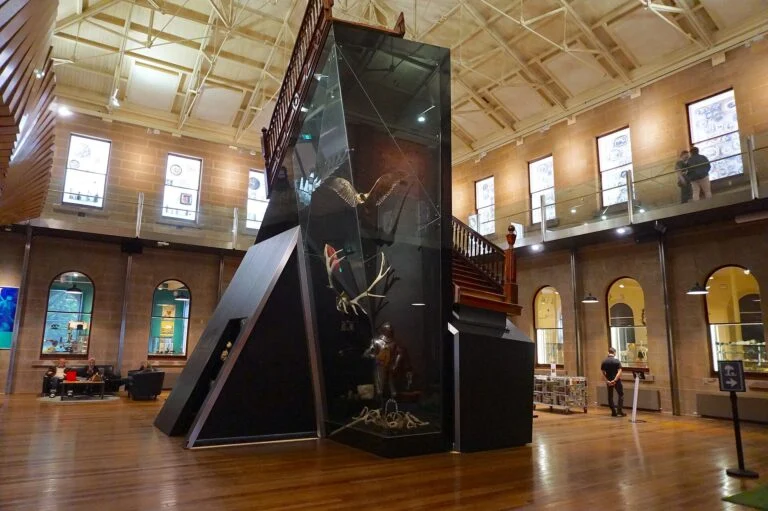
The museum’s collection is broad but focused on Tasmania’s distinctive past and present. Visitors can expect to see an extensive natural history section that includes specimens highlighting Tasmania’s unusual flora and fauna. Unique animal species such as the Tasmanian devil figure prominently, and the collection also covers plants and geological samples that speak to the island’s ancient environmental history and biodiversity.
Historical exhibits emphasize Tasmania’s Aboriginal heritage alongside its colonial and maritime histories. The Tasmanian Aboriginal community is represented through cultural objects, artworks, and interpretive materials that aim to deepen understanding of their enduring connection to the land and waters. While the colonial history sections include material related to the early settlement period, convict heritage, and Tasmania’s role in Australian development, care is taken to present these narratives thoughtfully, acknowledging complexities and historical challenges.
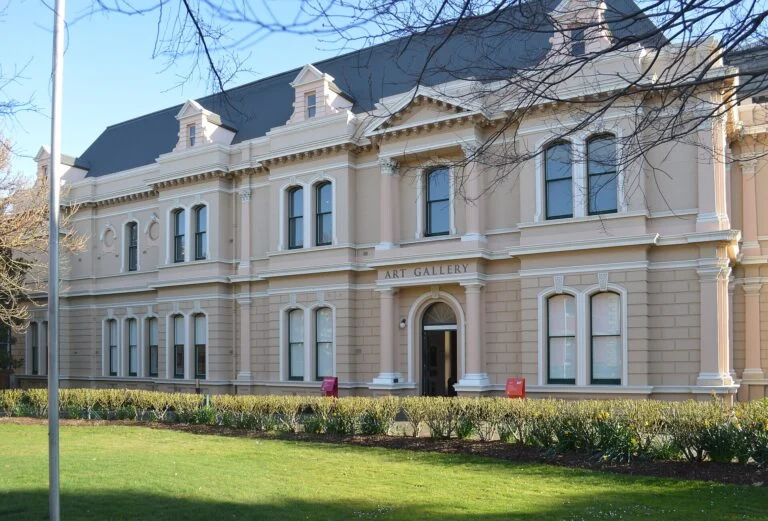
TMAG’s art gallery houses a range of artworks, including pieces by Tasmanian and Australian artists. The collection includes paintings, prints, and decorative arts, reflecting both historical styles and contemporary practices. The art holdings are used not only for display but also to illustrate the cultural shifts within Tasmania, showing how artists have responded to the island’s landscapes, communities, and histories.
In addition to these main areas, the museum often features temporary exhibitions that explore specific themes or artists, sometimes reaching beyond Tasmania to engage with broader Australian or global topics. These projects enrich the permanent collection and provide varied experiences across different visits.
Building and Setting
TMAG is located in central Hobart, an accessible spot that connects well to other cultural and civic institutions in the city. Its setting benefits from proximity to the waterfront and other landmarks, providing visitors with options for combining museum visits with walks or other local activities.
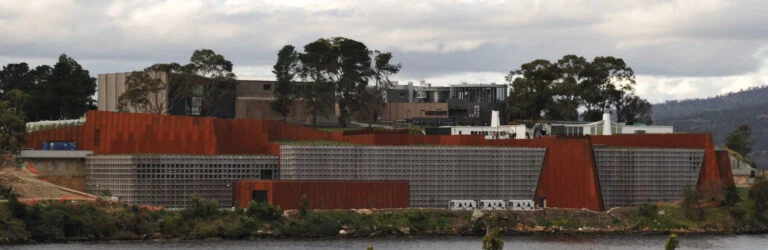
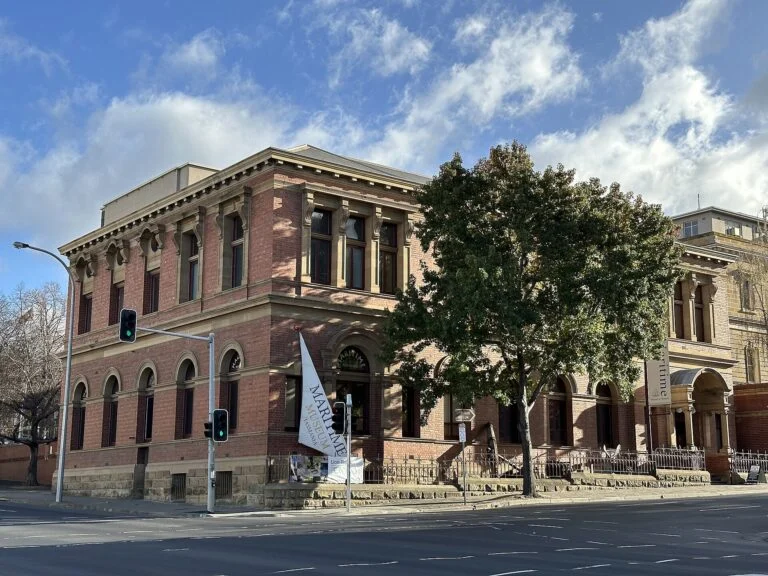
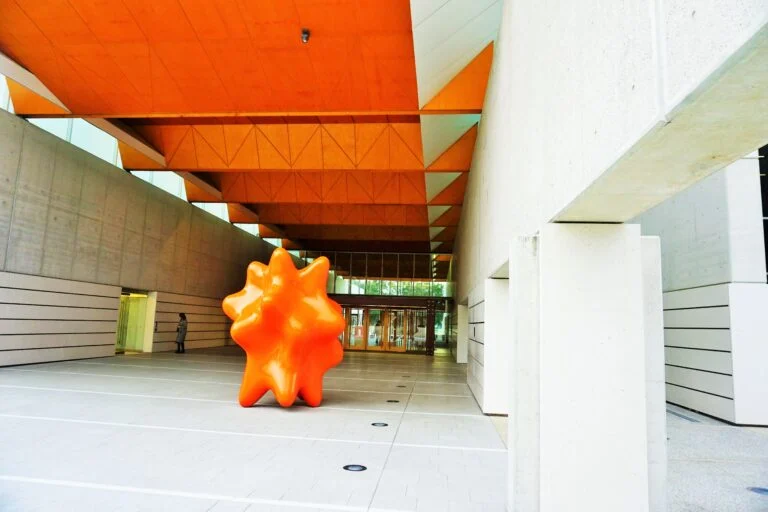
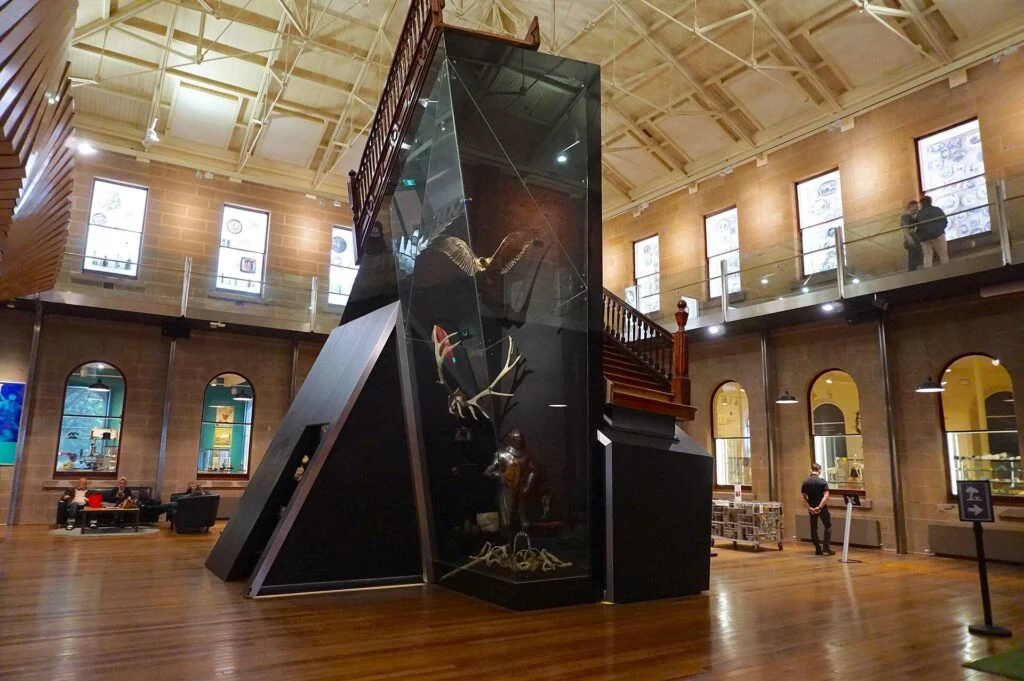
The museum is housed in a building that reflects a mix of architectural periods, with some historic fabric evident alongside more modern interventions. This blend offers a sense of the institution’s history and its ongoing evolution. The layout is arranged to facilitate a flow through natural history, indigenous culture, historical artifacts, and art, though some visitors may find certain parts more engaging depending on interests. Overall, the physical space supports a diverse collection and accommodates temporary exhibitions.
Practical Information
Before visiting, readers should check the Tasmanian Museum and Art Gallery’s official website for the most current information on opening hours, admission fees, accessibility, and visitor services. As with many public museums, hours can vary seasonally or due to special events or conservation needs.
The museum tends to serve a wide age range and interest group, so visitors should consider what parts of the collection particularly appeal to them when planning their visit. Entry is typically straightforward, but it is advisable to confirm if any booking requirements, group restrictions, or health and safety measures are in place.
While the museum does have on-site amenities, details such as café service, shop offerings, and tour availability are best verified through official sources. Audio guides or guided tours are sometimes offered, but visitors should not assume these are always part of the standard offering.
Why Visit
Choosing to visit the Tasmanian Museum and Art Gallery offers an opportunity to engage with Tasmania’s story in a single institution that ties together natural environments, cultures, and artistic achievements. For those interested in understanding how Tasmania’s geographic isolation has shaped its ecosystems and cultural identities, the museum’s natural history and Aboriginal collections offer important context.
The focus on Aboriginal heritage and contemporary expressions presents a valuable viewpoint on a community that has often been underrepresented in broader Australian museum narratives. Though complex and at times difficult parts of history are presented, the institution strives to explore these with sensitivity.
Art enthusiasts may find the art collection insightful for appreciating how local landscapes and experiences have influenced regional art practices. Meanwhile, history lovers will encounter concrete connections to Tasmania’s colonial past, its convict era, and maritime links.
The museum’s scope may not delve deeply into global or comparative art or history, focusing primarily on Tasmania and related Australian contexts. This focus is valuable for those seeking specificity but may be less suited to visitors looking for broad international coverage.
Overall, TMAG offers a place to reflect on Tasmania’s environment and society, with a balanced presentation suited to a range of visitors. It encourages exploration and learning grounded in local materials and stories, making it a steady presence in Australian cultural life.