Queen Victoria Museum and Art Gallery
Art Museums · Launceston, Australia. The Queen Victoria Museum and Art Gallery, located in Launceston, Tasmania, is a regional museum dedicated to the natural sciences, history, and art of Tasmania and the surrounding region. Established in the late 19th…
Best forArt lovers, visual culture, architecture
Setting / nearbyLaunceston, Australia
Overview
The Queen Victoria Museum and Art Gallery, located in Launceston, Tasmania, is a regional museum dedicated to the natural sciences, history, and art of Tasmania and the surrounding region. Established in the late 19th century, the institution has built a reputation for its diverse collections that reflect the cultural and environmental heritage of northern Tasmania. The museum serves as a link between the state's colonial origins, its indigenous past, and its development into a modern community.
Unlike many larger national museums, the Queen Victoria Museum and Art Gallery offers a more localized perspective with a focus on Tasmania’s natural environment, technological history, and visual arts. It provides opportunities to explore subjects from paleontology and industrial history to contemporary artistic practices, making it suitable for visitors interested in regional culture and history as well as natural science.
Collection Highlights
The museum’s collections span three main areas: natural history, applied arts and sciences, and fine art. The natural history section includes specimens that showcase Tasmania’s unique flora and fauna, including some notable examples of endemic species. Fossils and geological samples are part of this collection, offering a glimpse into the island’s ancient ecosystems and geological development.
In applied sciences and industrial history, the museum holds objects related to Tasmania’s technological and industrial heritage. This includes items connected with mining, manufacturing, and transportation, revealing the skills and industries that shaped the region. Some of the exhibits illustrate the evolution of local engineering and scientific instruments.
The art gallery presents works by Tasmanian artists as well as pieces from broader Australian contexts. Paintings, prints, and sculptures are displayed alongside works from other Australian states, allowing visitors to engage with both local character and wider artistic trends. The art collection includes historical as well as contemporary works, reflecting changes in style and subject matter over time.
Throughout the museum, curated displays highlight the intertwining of natural history and human development. For example, presentations of Aboriginal cultural heritage appear alongside settler histories, although the extent and depth of these exhibitions may vary and visitors interested in indigenous perspectives should consider supplemental research.
Building and Setting
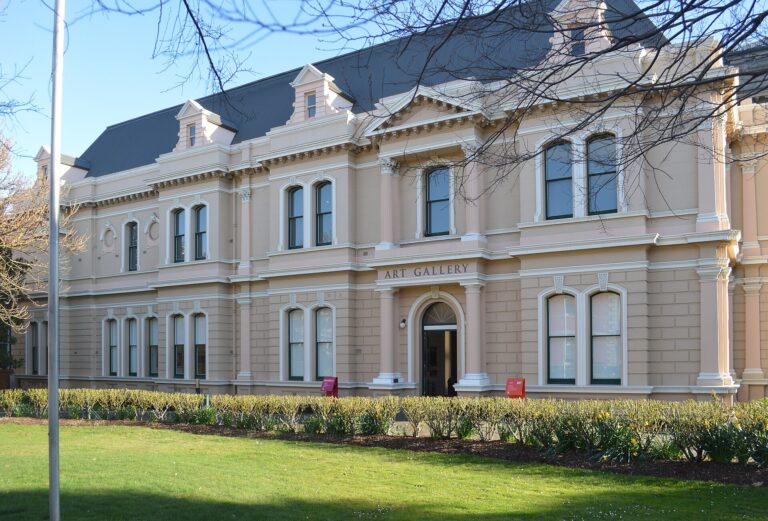
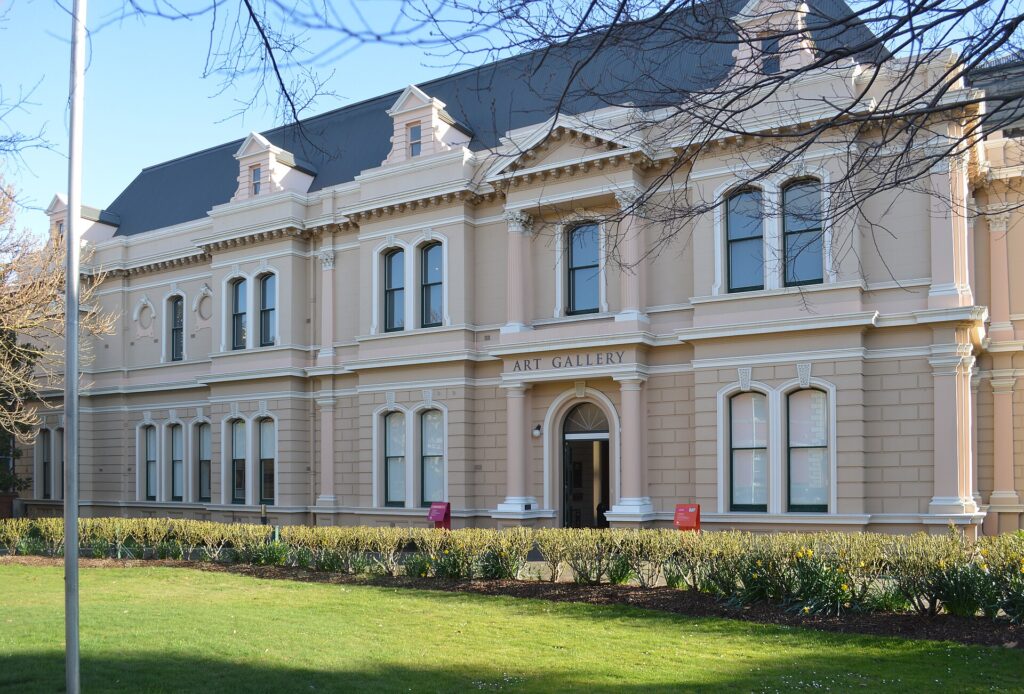
The Queen Victoria Museum and Art Gallery operates from two sites in Launceston, each catering to different aspects of the collections. One site is housed in a former railway workshop, which suits displays related to industrial history and natural sciences, while the other is set within historic buildings closer to the city centre, primarily focusing on visual arts and exhibitions.
The more industrial site reflects the museum’s connection to technological heritage by repurposing a space originally linked to Tasmania’s railway industry. This setting enhances the visitor experience, particularly when viewing machinery, engineering artifacts, and natural history specimens. The architecture here is utilitarian but spacious, appropriate for the scale of objects exhibited.
The art gallery’s city-centre location is integrated within civic precincts, lending a formal and somewhat traditional atmosphere. The heritage buildings contribute to an experience that combines art viewing with a sense of historical continuity.
Both locations are reasonably accessible from Launceston’s central areas, but visitors should verify the precise addresses and any special instructions for reaching each site, especially as they accommodate different parts of the museum. Navigating between the two may require planning, depending on one’s time and mobility.
Practical Information
Before planning a visit, prospective guests should consult the official Queen Victoria Museum and Art Gallery website for the most current details on opening hours, admission costs, and available services. Museums sometimes offer guided tours, educational programs, and temporary exhibitions, but these offerings can vary seasonally or due to operational changes.
Visitors interested in specific collections or exhibitions may want to check updated gallery maps and any notices about conservation work or exhibit rotations that could affect access. The museum covers diverse themes across multiple venues, so confirming which site hosts particular displays is advisable.
Information on accessibility facilities, parking, amenities, and onsite services such as cafes or shops may also be found online. Those requiring specialized access or planning group visits could benefit from advance inquiries. Although the museum operates under public funding, ticketing policies and concessions are best verified through official channels.
Why Visit
The Queen Victoria Museum and Art Gallery appeals especially to visitors who appreciate a focused regional perspective within their museum experience. It provides valuable insight into Tasmania’s natural environment and industrial development alongside its artistic traditions. For those seeking a blend of science, history, and art outside major city centres, this museum presents a well-rounded introduction to Tasmania’s cultural fabric.
The museum’s strength lies in its regional emphasis, illustrating how Tasmania’s isolation and unique resources have shaped its cultural and natural history. Its displays often present historical information alongside material culture in ways that can provoke reflection about the island’s past and present identity.
However, visitors looking for international art collections or extensive high-technology exhibits might find the museum’s emphasis somewhat modest in scope. Similarly, while some indigenous histories are referenced, the depth and breadth may be limited compared to institutions specializing in Aboriginal culture.
The dual-site arrangement provides diversity but also requires some logistical planning. Depending on available time, visitors may choose to focus on either the art gallery or the industrial and natural history collections, rather than attempting to see everything in one visit.
In summary, the Queen Victoria Museum and Art Gallery offers a thoughtfully curated experience grounded in Tasmania’s distinctive environment and history. It supports a deeper understanding of the region’s development and its creative expression, making it a meaningful stop for those interested in Australian regional museums, natural science, or art.
Readers planning to visit should refer to the museum’s official online resources for up-to-date practical information and any current exhibition highlights. This approach ensures an informed and comfortable visit to an institution with a significant cultural role within Tasmania.