Stibbert Museum
Florence, Italy. The Stibbert Museum in Florence, Italy, is a distinctive institution that combines elements of a military museum, art museum, and private collector’s house. Established from the vast personal collection of Frederick Stibbert, an English-Italian…
Best forMuseum lovers, culture travelers, first-time visitors
Setting / nearbyFlorence, Italy
Overview
The Stibbert Museum in Florence, Italy, is a distinctive institution that combines elements of a military museum, art museum, and private collector’s house. Established from the vast personal collection of Frederick Stibbert, an English-Italian art enthusiast of the 19th century, it occupies a unique place among Florence’s many cultural attractions. Rather than focusing solely on fine art or ancient artifacts, the museum presents a broad array of arms, armor, and historic costumes, alongside decorative objects, offering a glimpse into the material culture of past centuries. This blend of military history, craftsmanship, and personal taste sets it apart.
The museum reflects the eclectic interests of its founder, who gathered over 36,000 items, largely related to arms and armor but also including textiles, paintings, and furniture. It aims to preserve this collection in a setting that partly retains the atmosphere of Stibbert’s original home. For visitors, the museum offers an unusual opportunity to explore what might best be described as a private museum for collectors and historians, rather than a standard public institution organized by academic themes or periods. This context matters because it shapes the visitor experience, which can feel more like entering a richly layered historical cabinet than walking through a conventional chronological display.
Collection Highlights
The core focus of the Stibbert Museum is its extensive collection of arms and armor from Europe, the Middle East, and Japan. Visitors will find finely crafted suits of armor, helmets, shields, firearms, and edged weapons spanning several centuries. These objects are often displayed with an attention to both their aesthetic qualities and historical function. Among the collection, Japanese armor and weapons stand out for their rarity and condition, reflecting Stibbert’s particular enthusiasm for samurai culture. European armor, ranging from medieval plate to Renaissance parade harnesses, illustrates the evolution of military technology alongside changing social and artistic tastes.
An important aspect of the collection is how many pieces remain arranged similarly to Stibbert’s original vision, often set in rooms that resemble period interiors or personal displays. This gives the museum a strong sense of individuality and historical layering, rather than a purely scholarly layout. Some rooms present armor mounted on suits of mannequins posed as if for battle or ceremony, which helps visitors imagine the items in use.
Beyond arms and armor, the museum includes paintings, rare textiles, and decorative arts such as ceramics and ivories, which add context to the collection. The inclusion of furniture and personal effects from Stibbert’s time enhances the impression of stepping into a collector’s private world. While the primary appeal lies in the military collection, these supplementary objects enrich the overall narrative of craftsmanship and cultural exchange.
Building and Setting
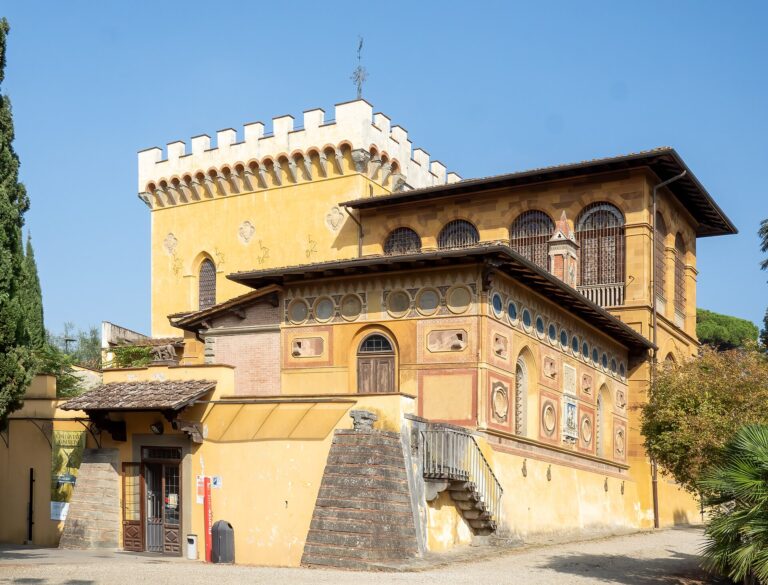
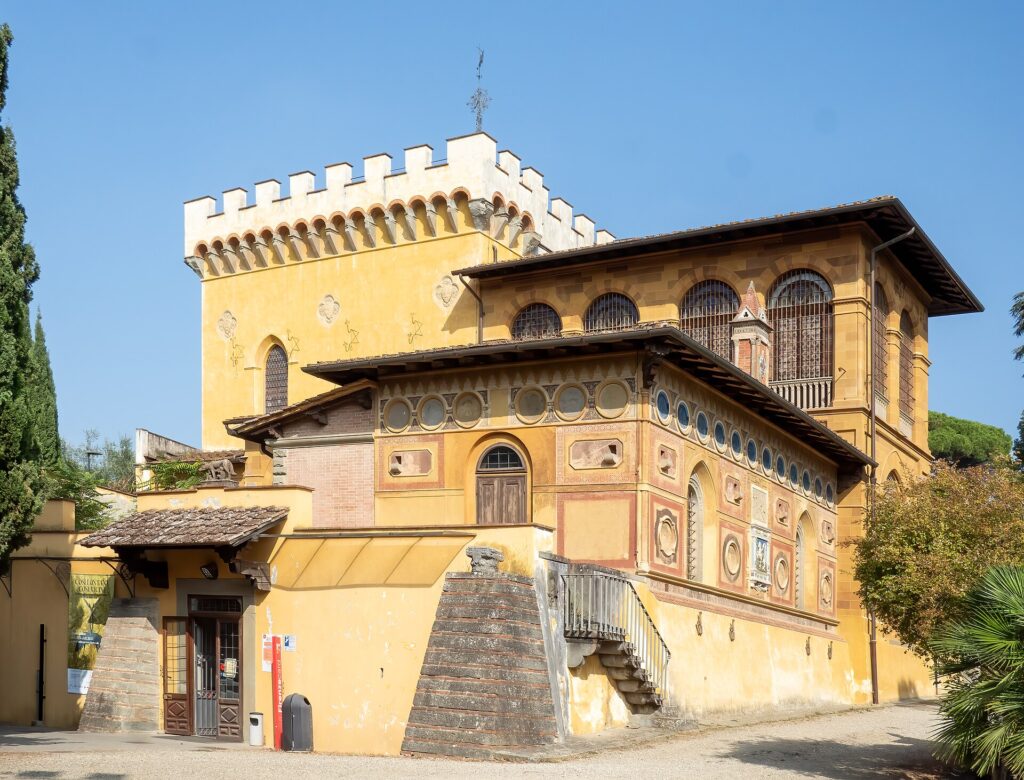
The Stibbert Museum is housed in a large villa located on the outskirts of central Florence, within a green area that was once part of Stibbert’s estate. The villa itself has historic charm but should not be confused with the Renaissance palaces of the city center. Instead, it offers a more intimate, if occasionally cramped, environment for the dense and diverse collection.
The building maintains an authentic 19th-century atmosphere, with richly decorated rooms, period furnishings, and architectural details that reflect the tastes of its original owner. Visitors move through a series of rooms that combine museum display with the feel of a family home, which reinforces the personal nature of the collection. Ceiling heights, room sizes, and lighting can vary, and some display cases may appear somewhat crowded, reflecting the museum’s origin as a private collection rather than a modern exhibition designed for mass audiences.
The surrounding area provides a quieter experience compared to central Florence’s busy tourist spots, though it requires some transportation planning for arrival and departure. The greenery outside partly recalls the villa’s former function as a country house. This setting contributes a sense of stepping away from the typical urban museum environment into a more secluded historical enclave.
Practical Information
Details such as opening hours, ticketing, guided visits, and accessibility arrangements at the Stibbert Museum should be confirmed through the museum’s official website before planning a visit. Given its nature as a specialized institution outside the main Florence tourist circuit, practical arrangements may differ from those at more mainstream state museums.
The museum is less likely to offer extensive visitor facilities or services common at larger institutions. For example, café or restaurant options might be limited or nearby but not part of the venue itself. The shop, if present, may focus on specialized publications related to arms, armor, and the museum’s unique collection rather than general souvenirs.
Visitors interested in detailed commentary or historical context should inquire about the availability of tours or audio guides in advance. Since the museum is relatively niche in its appeal, language options for any interpretive materials or staff may be limited.
Finally, given the focused nature of the collection, the museum is best suited to those with at least some interest in military history, armory, or the history of collecting. Casual tourists expecting a broad survey of Florentine art or history might find Stibbert more specialized and potentially less accessible in terms of interpretive framing.
Why Visit
The Stibbert Museum offers an experience distinct from Florence’s many art galleries and archaeological museums. For visitors interested in historical weaponry and armor, it presents one of the most comprehensive and varied collections in Italy, encompassing European and non-European traditions. Its assemblage of Japanese samurai armor adds a fascinating global dimension not often encountered in similar institutions.
Moreover, the museum allows visitors to appreciate how one individual collector shaped and preserved an extraordinary collection with personal passion and particular aesthetic values. This gives the visit a somewhat intimate quality, encouraging reflection on the history of collecting as much as on the objects themselves.
The museum’s mix of arms and armor with decorative arts and period furnishings also provides insight into the cultural contexts in which these objects were valued—not merely as tools or art, but as symbols of status and identity.
That said, the museum is not designed for broad, casual visits. Those without specific interest in arms or collecting history may find the exhibits dense or challenging to interpret without prior knowledge or guided explanation. Lighting and space constraints in some areas might also affect comfort or viewing conditions. But for the right audience, Stibbert is a rewarding place to explore a rich and unusual collection, away from the typical sights of Florence.
In summary, the Stibbert Museum is a specialized cultural site that appeals to collectors, historians, and enthusiasts of military technology and decorative arts. It stands out for the breadth and depth of its collection, its authentic villa setting, and the story of a private collector’s vision realized in Florence. Prospective visitors should check current visitor information carefully to plan accordingly and consider whether the museum’s focused scope matches their interests and expectations.