Palazzo Pitti
Florence, Italy. Palazzo Pitti is a major art museum located in Florence, Italy. It occupies a vast Renaissance palace on the south side of the Arno River, a short walk from the historic center. Originally built…
Best forMuseum lovers, culture travelers, first-time visitors
Setting / nearbyFlorence, Italy
Overview
Palazzo Pitti is a major art museum located in Florence, Italy. It occupies a vast Renaissance palace on the south side of the Arno River, a short walk from the historic center. Originally built in the mid-15th century, the palace was later acquired by the Medici family in the 16th century, who transformed it into a grand ducal residence. Over time, it became a repository for a considerable range of artworks and historical artifacts. Today, it functions as a museum complex that houses several collections, including Renaissance and Baroque paintings, decorative arts, and fashion.
As one of Florence’s substantial cultural institutions, Palazzo Pitti offers insight into the city’s artistic heritage and the legacy of its ruling families. The museum is often visited in combination with the nearby Boboli Gardens, which extend behind the palace. The museum’s layout is extensive and divided into multiple galleries, reflecting shifting tastes and patronage over centuries. Visitors should be prepared for a substantial amount of walking and a rich visual experience.
Collection Highlights
The core of Palazzo Pitti’s museum collection lies in its painting galleries. Visitors will find significant works from the Renaissance through to the 18th century, with strong representation from Italian masters. The Palatine Gallery, housed in the former private apartments of the Medici, displays painted portraits, religious scenes, and mythological subjects. Artists featured here include Raphael, Titian, Rubens, and Bronzino. Many of the works give a sense of the Medici’s role as patrons and collectors.
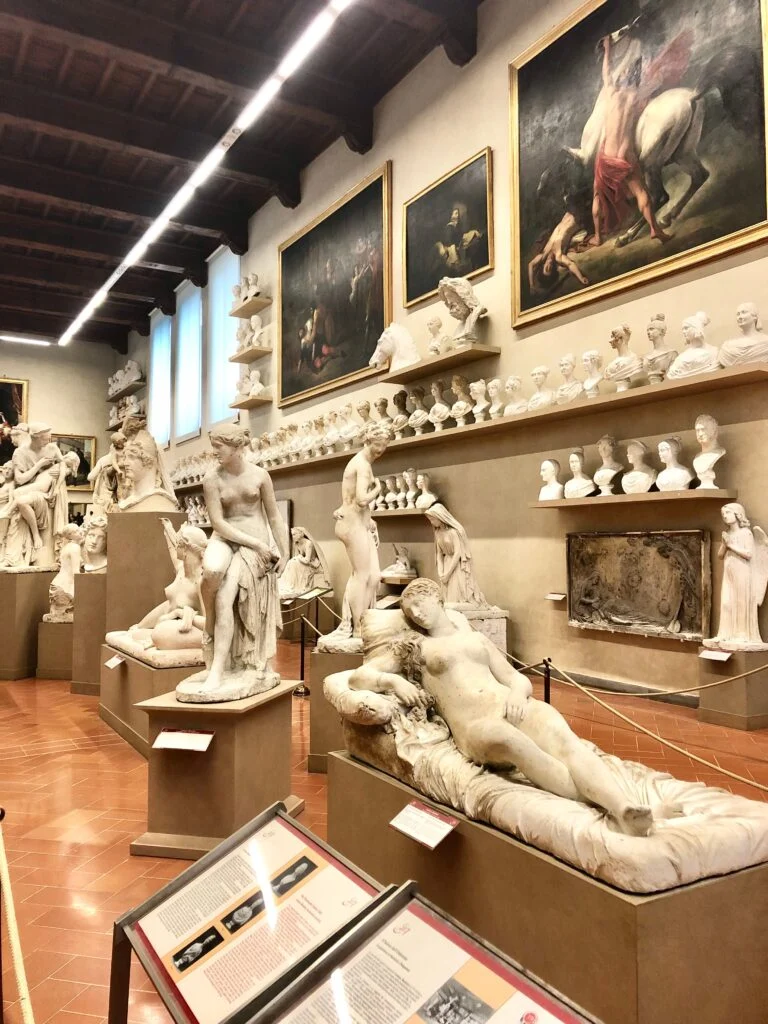
Beyond the Palatine Gallery, the Gallery of Modern Art offers a different scope, focusing on 18th and 19th-century Italian works. This includes paintings that depict daily life, landscape, and portraiture, showing developments after the Renaissance and into the Romantic period. These collections allow visitors to see continuity and change in Italian art styles and subjects.
Other parts of the museum complex focus on decorative arts and textiles. The Royal Apartments feature furnishings and decoration that convey the lifestyle of the grand dukes and later royal families. The Costume Gallery presents a historical survey of fashion and textiles, spanning several centuries and reflecting Florence’s importance in textile production and design.
The Palatina Library and the Gallery of Coins and Medals, although less frequented, hold collections important for understanding Florence’s historical and economic context. The presence of historic weaponry in the Arms Gallery also adds to the varied experience, linking art and material culture.
Building and Setting
Palazzo Pitti itself is a large, austere stone building reflecting Renaissance architectural principles with some later Baroque modifications. Its façade is notable for a series of large windows with rusticated stone surrounds and a heavy, rusticated stone base, which gives the palace a fortress-like appearance despite its elegant proportions.
The museum is situated in the Oltrarno district of Florence, an area across the Arno River from the city’s main historical center. This location offers a viewpoint on Florence that differs from the areas clustered near the Duomo and Piazza della Signoria. The palace’s proximity to the Boboli Gardens is significant, as the gardens provide a spacious and formal green area behind the palace, in Renaissance landscape style, with statues, fountains, and manicured paths.
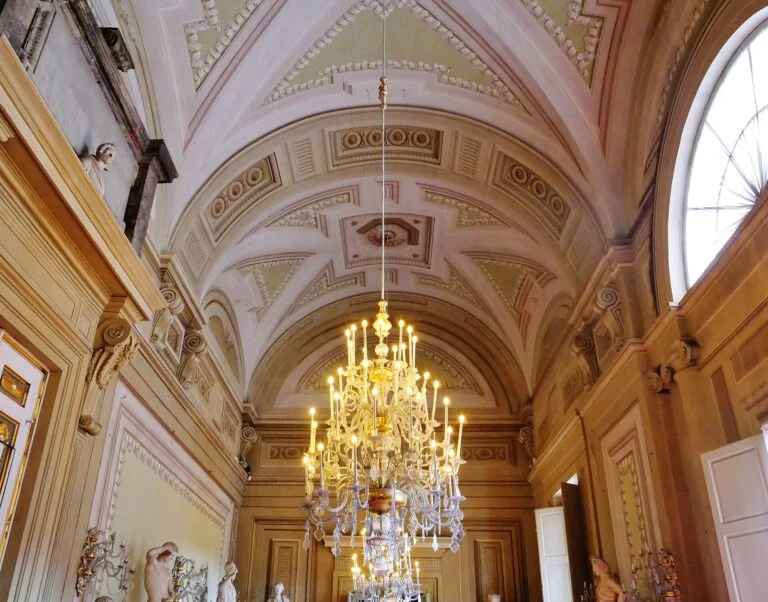
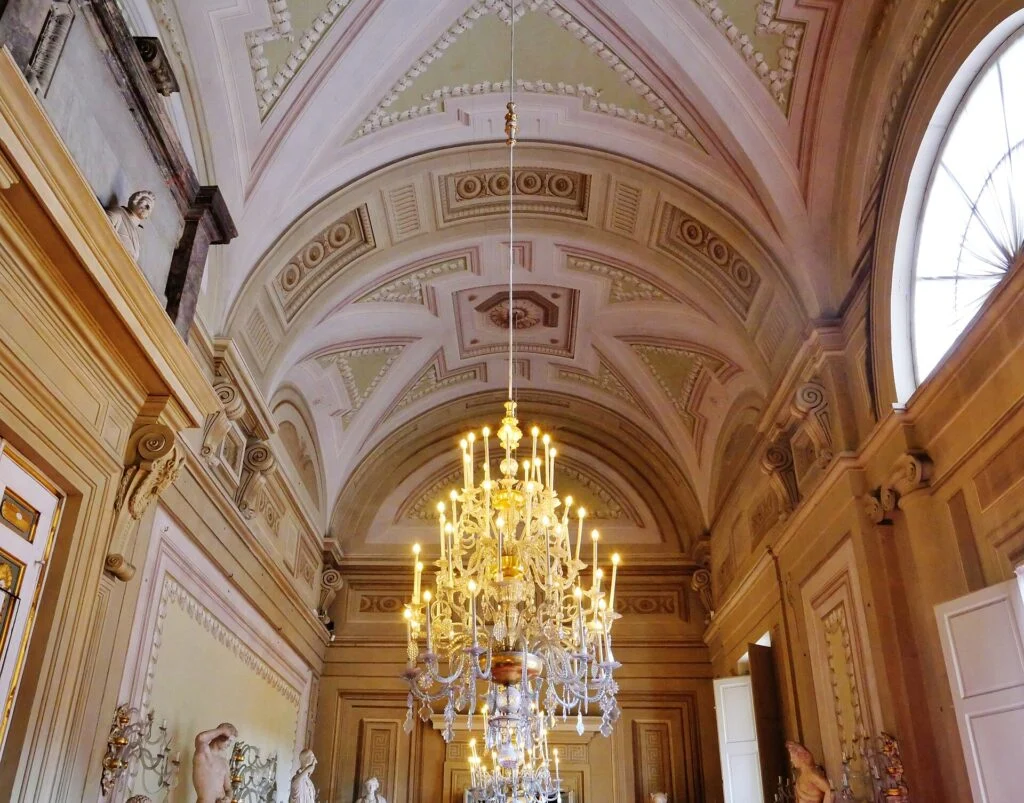
Inside, the museum’s galleries are housed in suites of rooms that still echo their original use as royal chambers and reception areas. The rooms are often decorated with frescoes, stucco work, and decorative elements, offering a historic atmosphere alongside the artworks. Visitors moving through the museum will experience a combination of architectural grandeur and an encyclopedic scope of art and decorative collections.
Practical Information
For prospective visitors, checking the official museum website is advised to obtain the latest details on opening times, ticketing, and available visitor services. Information about guided tours, audio guides, accessibility accommodations, and any temporary exhibitions or closures is subject to change and best confirmed in advance.
Palazzo Pitti is a complex site with multiple entry points and various sections spread over several floors, so it is helpful to prepare for a substantial visit. Visitors may want to prioritize certain galleries based on their interests. In peak tourist seasons, the museum can become crowded, particularly in popular areas such as the Palatine Gallery. Planning a visit outside of the busiest hours or days when possible may improve the experience.
While the museum includes cafés and shops, these can be relatively busy and reflect the tourist-oriented nature of the setting. There is no direct underground parking at the palace itself, so visitors relying on private cars may need to use nearby parking facilities or public transport options.
Why Visit
Palazzo Pitti attracts those interested in Renaissance art and aristocratic heritage, particularly the history of Florence’s ruling families. The museum is well suited for visitors who appreciate a broad historical narrative told through painting, decorative arts, and architecture. It offers a less concentrated but more immersive alternative to Florence’s other art museums centered around single themes or artists.
Its appeal comes in part from the spaciousness of the palace and the layering of collections across different periods and media. This allows an exploration not just of art objects but also of how art functioned in court life and identity. The connection to the Boboli Gardens enhances the visit, providing an example of historic garden design adjacent to the urban fabric.
However, the museum may be less well suited for casual tourists seeking a brief visit. The sheer scale can be overwhelming, and some parts of the collection might not engage everybody equally. Those particularly interested in specific Renaissance painters might find more focused galleries elsewhere in Florence. Nevertheless, for a thorough encounter with Florence’s artistic and material culture legacy, Palazzo Pitti occupies a significant position among the city’s museums.
In sum, Palazzo Pitti offers a comprehensive insight into the art and aristocracy of Florence across several centuries. Its collections, architectural setting, and historical resonance make it a substantial cultural institution that rewards time and attention. Visitors should prepare accordingly and consider what parts of the museum best align with their interests. Checking the official site before visiting remains essential to navigate practical considerations smoothly.