Palazzo Pitti Review
Florence, Italy. Palazzo Pitti, situated on the south side of the River Arno in Florence, Italy, is a major historical and cultural site with roots extending back to the Renaissance. Originally constructed in the mid-15th century…
Florence, Italy. Palazzo Pitti, situated on the south side of the River Arno in Florence, Italy, is a major historical and cultural site with roots extending back to the Renaissance. Originally constructed in the mid-15th century…
Best forMuseum lovers, culture travelers, first-time visitors
Review focusCollections, visitor experience, and practical planning
Historical Context
Palazzo Pitti, situated on the south side of the River Arno in Florence, Italy, is a major historical and cultural site with roots extending back to the Renaissance. Originally constructed in the mid-15th century for the Pitti family, a wealthy Florentine banking clan, the building’s significance grew substantially when it became the principal residence of the Medici family in the mid-16th century. Following their acquisition, it transformed from a grand private palace into the main seat of ducal power and later, during various phases, served as a royal residence for the House of Lorraine and the Savoy family. Over centuries, expansions and modifications turned the complex into a vast repository of art and royal history.
The palace’s architectural form itself is a noteworthy example of Renaissance design, with its imposing stone façade and symmetrical proportions, reflecting the era’s aesthetic values and the social ambitions of its original owners. Today, Palazzo Pitti stands as a composite museum complex that houses multiple collections, including fine arts, decorative arts, fashion, and historical artifacts. It represents an opportunity to explore both the artistic achievements and the lifestyle of Florence’s elite aristocracy, set against a backdrop of shifting political and cultural developments in Tuscany and Italy at large. Its layered history provides context not only for the artworks it contains but also for the evolution of the Florentine aristocratic identity.
What You See on Arrival
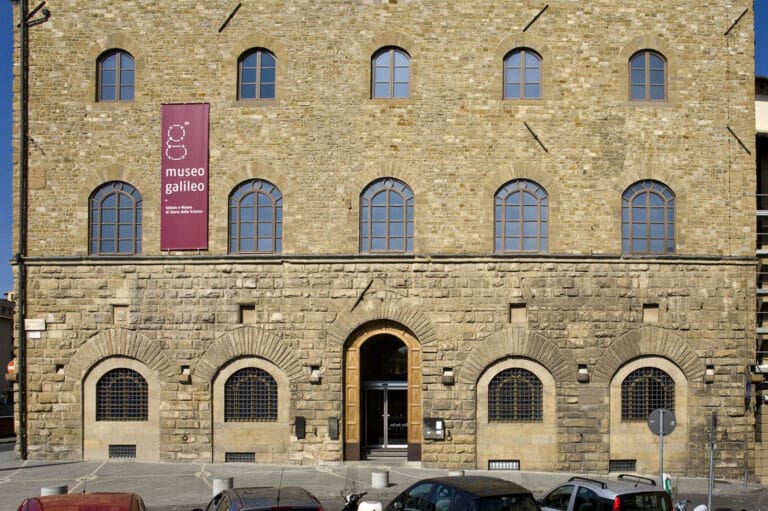
Approaching Palazzo Pitti, visitors encounter a formidable Renaissance palace characterized by its rusticated stonework and imposing scale. The broad façade, with evenly spaced windows and a strong horizontal emphasis, conveys the residence’s original function as a symbol of wealth and power. The palace’s setting at the edge of the Boboli Gardens offers a transition from the urban environment of Florence’s historic center to expansive green spaces, framing the palace institutionally as both a civic landmark and a site tied to nature and leisure.
The entrance experience situates visitors within the context of former princely residence and cultural treasury. The immediate impression is of a substantial structure that promises the depth of a sprawling complex rather than a single focused gallery. Its external appearance signals that this is not merely an art museum but a palace infused with historical significance. For first-time visitors, the sheer scale and architectural gravity may influence expectations, suggesting a comprehensive rather than narrowly specialized visit. The museum’s identity as a palace-museum blends political history, architectural heritage, and art collections, setting a multifaceted tone before visitors step inside.
Highlights and Key Exhibitions
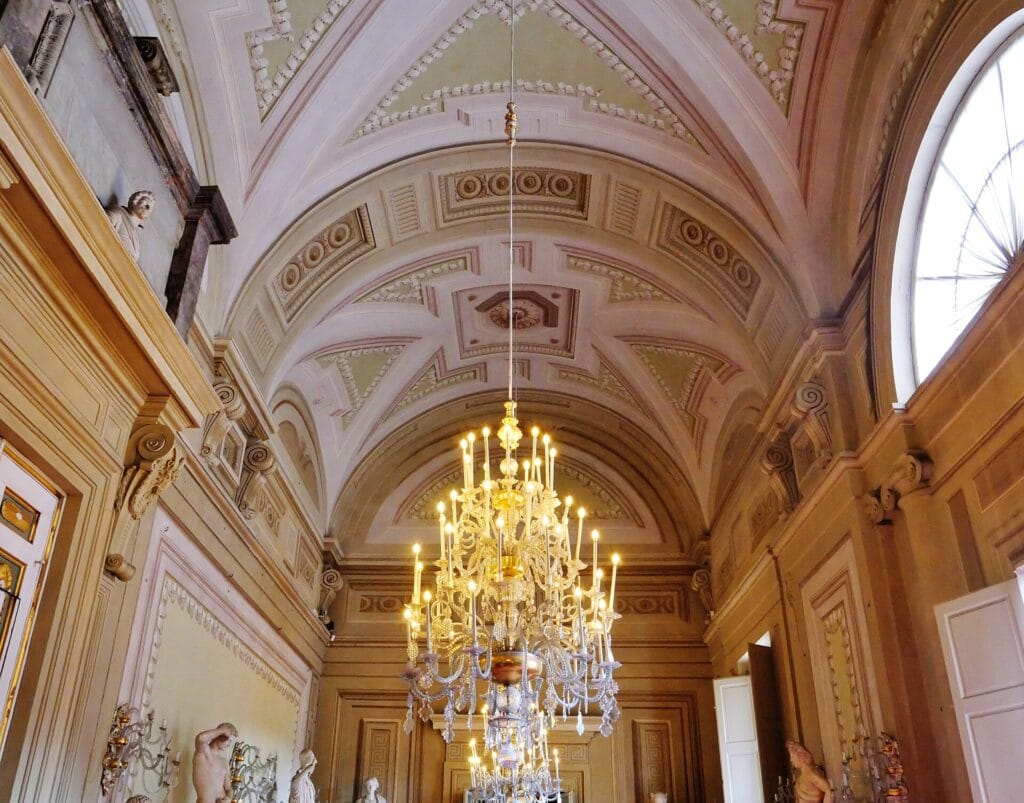
Palazzo Pitti encompasses several major galleries and collections, making it important to understand its primary holdings to navigate its offerings. Among the most renowned components is the Palatine Gallery, which occupies the piano nobile (main floor) and displays an extensive array of paintings, particularly from Renaissance and Baroque masters. This collection includes works by Titian, Raphael, Rubens, and Caravaggio, many of which were part of the Medici family’s private collection. The presentation in the Palatine Gallery reflects the historical function of the palace’s reception rooms and living quarters, using their naturally grand scale to display large canvases with elaborate frames and traditional hanging schemes that emphasize historical authenticity.
Another key element is the Gallery of Modern Art, which covers 19th-century to early 20th-century works, primarily by Italian artists, showcasing the trajectory of national artistic trends during a period of great political and social change. This gallery complements the older masterworks by providing a chronological scope that extends the story of Italian art beyond the Renaissance and Baroque eras.
Additionally, the museum includes the Royal Apartments, which offer insight into the lifestyle and personal tastes of Tuscany’s ruling families. These apartments are furnished with original decor, paintings, and objets d’art, giving visitors a sense of domestic grandeur and palace function beyond the art itself.
The Palatine Gallery and other principal spaces are supplemented by more specialized collections. For instance, the Costume Gallery displays historical clothing and textiles, illustrating fashion history within a Florentine context. The Treasury of the Grand Dukes includes luxury objects such as silverware, ceramics, and jewelry, helping flesh out the cultural wealth and craftsmanship patronized by the palace’s residents.
The Boboli Gardens also represent a significant element of the Palazzo Pitti experience. They serve as an outdoor extension of the complex and contain sculptures, fountains, and landscape architecture that date back to the Renaissance period. While technically separate from the museum’s interior exhibitions, the gardens remain integral to understanding the palace as a lived environment and cultural product where art and nature interact.
Visitor Experience
The scale and diversity of Palazzo Pitti’s holdings mean that visiting requires some planning and realistic expectations regarding pacing and thematic cohesion. Unlike museums focused exclusively on one artistic period or discipline, Palazzo Pitti demands a broader approach from visitors. The palace layout spans multiple floors and apartments, with collection themes ranging widely from sumptuous 17th-century portraits to modern Italian paintings, costume displays, and decorative arts. This variety can be an advantage for visitors interested in both art and history but could feel overwhelming or fragmented for those seeking a tight curatorial narrative.
Interpretation within the galleries tends to lean on traditional museum formats, with wall labels and room captions identifying artists, provenance, and historical context. This may suffice for visitors with intermediate or advanced knowledge of Renaissance and Italian art history, but casual audiences might find the level of explanation variable, particularly outside the main Palatine Gallery. The authentic palace setting enhances the sense of atmosphere but also sometimes poses challenges for interpretive clarity or visitor flow, as the building’s original design was not intended for large numbers of museum-goers.
In terms of audience fit, Palazzo Pitti most directly suits those with a keen interest in Renaissance art and aristocratic culture, as well as history enthusiasts who appreciate architectural monumentality and historical interiors. Families with young children or visitors looking for accessible, streamlined exhibition design might find the experience less straightforward. The combination of indoor galleries and expansive gardens means the environment naturally encourages breaks and can offer a varied visitor pace, but the extensive size might be tiring without intentional time management.
The Boboli Gardens add an outdoor dimension that contrasts with the museum’s interior solemnity, providing a place for reflection amid sculptural and horticultural artistry. However, the gardens do require outdoor walking and some physical exertion, so weather conditions and mobility considerations could influence visitor comfort.
Tickets, Access, and Planning
For those considering a visit to Palazzo Pitti, practical planning is crucial given its scale and multiple exhibition components. The museum is part of Florence’s broader complex of cultural institutions, and admission arrangements may include combined tickets covering related sites such as the Boboli Gardens. Because facilities encompass a historic palace with original rooms and outdoor gardens, visitors should prepare for both indoor and outdoor elements.
Opening times, ticket pricing, and available concessions can change, so prospective visitors should consult the official Palazzo Pitti website or authorized ticket sellers for the most current information before planning their visit. Decisions about how much time to allocate are also essential: the museum’s size and depth mean that thorough exploration could require several hours, while a more selective approach might better suit those with limited time or specific interests.
In terms of access, the palace’s historical architecture can present challenges due to staircases and uneven flooring typical of Renaissance buildings. While there have been efforts to improve accessibility, visitors with mobility restrictions should verify up-to-date information on ramps, lifts, or other accommodations beforehand.
Audio guides, tours, and other interpretive services are sometimes available but should be confirmed in advance, as their presence and language options may vary seasonally. Given the potentially crowded conditions during peak tourist seasons, visitors might consider weekday or off-peak times for a more comfortable experience.
Final Verdict
Palazzo Pitti stands as one of Florence’s substantial cultural landmarks, offering a multifaceted museum experience that blends art collections with historical interiors and significant architectural presence. Its assemblage of Renaissance and Baroque paintings in the Palatine Gallery is a strong core, especially appealing to those with an interest in Italian old masters and aristocratic patronage. The broader complex provides useful complementary perspectives through 19th-century art, royal apartments, costume displays, and the Boboli Gardens, enhancing the sense of the palace as a cultural ecosystem rather than a single-purpose museum.
However, its size and historic layout can complicate visitor orientation and create a diverse set of impressions which might challenge those seeking a focused or lightly paced visit. Interpretation is generally reliable for informed visitors but less so for newcomers needing detailed contextualization. Physical accessibility remains an area for ongoing vigilance due to the constraints of the Renaissance-era building.
In summary, Palazzo Pitti is recommended for visitors who appreciate the intersection of art, history, and architecture and are prepared to invest time and attention into exploring a complex site with many facets. For those prioritizing streamlined or highly curated art experiences, alternative Florence museums might offer a more concentrated presentation. Nevertheless, the palace’s extensive holdings and unique environment remain important for those aiming to understand Florence’s cultural fabric beyond its most famous galleries. Prospective visitors are advised to review the latest visitor information via official sources to tailor their plans accordingly.