California Automobile Museum
Automobile Museums · Sacramento, United States. The California Automobile Museum in Sacramento offers a focused glimpse into the history and culture of automobiles, with a particular emphasis on those connected to California’s development. This local history museum presents a br…
Best forClassic cars, automotive design, motoring heritage
Setting / nearbySacramento, United States
Overview
The California Automobile Museum in Sacramento offers a focused glimpse into the history and culture of automobiles, with a particular emphasis on those connected to California’s development. This local history museum presents a broad narrative of automotive evolution, tracing the impact of cars on daily life, industry, and society in the region. The museum’s collection examines how the automobile not only transformed transportation but also shaped economic and social patterns in California and beyond.
More than just a display of vintage vehicles, the museum addresses the technological advances and stylistic changes from the early 20th century to later decades. It balances nostalgia with educational context, appealing to those interested in automotive engineering, design, and local heritage. Visitors can observe the diverse range of cars that have travelled California’s roads, from early motoring efforts to mid-century classics and beyond.
Collection Highlights
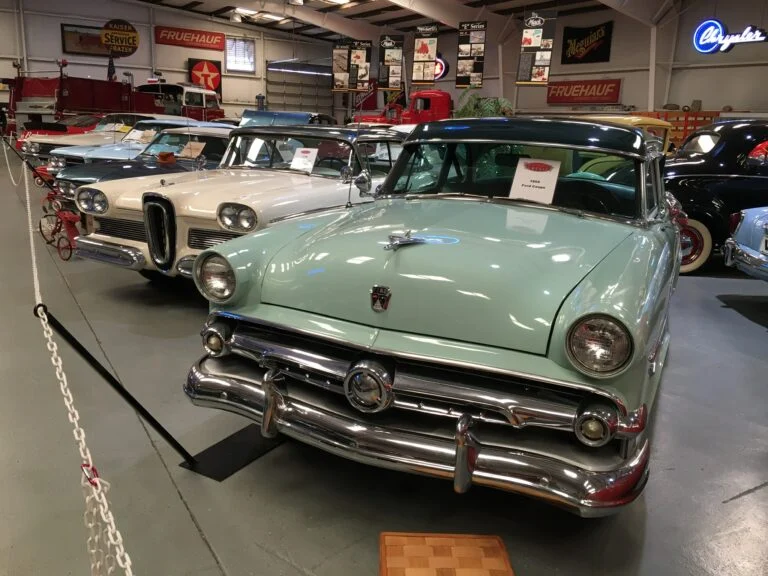
The museum’s collection includes an array of automobiles spanning multiple eras and types. Among the highlights are historic vehicles that represent milestones in automotive design and innovation. Some cars showcased may include early horseless carriages, mid-1900s classics, and occasionally rarer makes with significant ties to California’s automotive history.
Variety is a notable feature; the display covers different categories such as luxury cars, family sedans, convertibles, and utility vehicles. This range helps depict how the automobile met diverse needs over time. Vehicles are generally presented with detailed informational plaques referencing their production year, manufacturer, and historical context.
Beyond the cars themselves, the museum often features related memorabilia and exhibits to enrich understanding. Items such as vintage signage, promotional material, tools, and automotive parts contribute to a fuller picture of the motoring culture and industry. This layered approach appeals to enthusiasts who want both a visual experience and historical insight.
Building and Setting
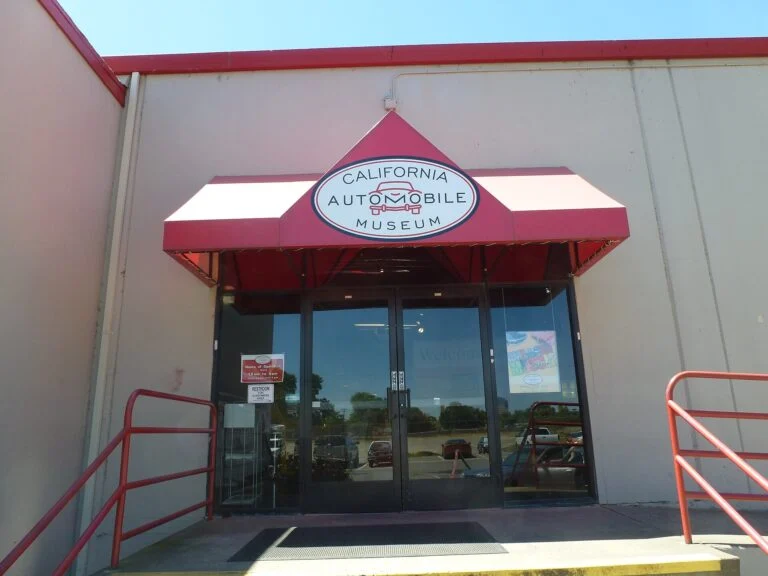
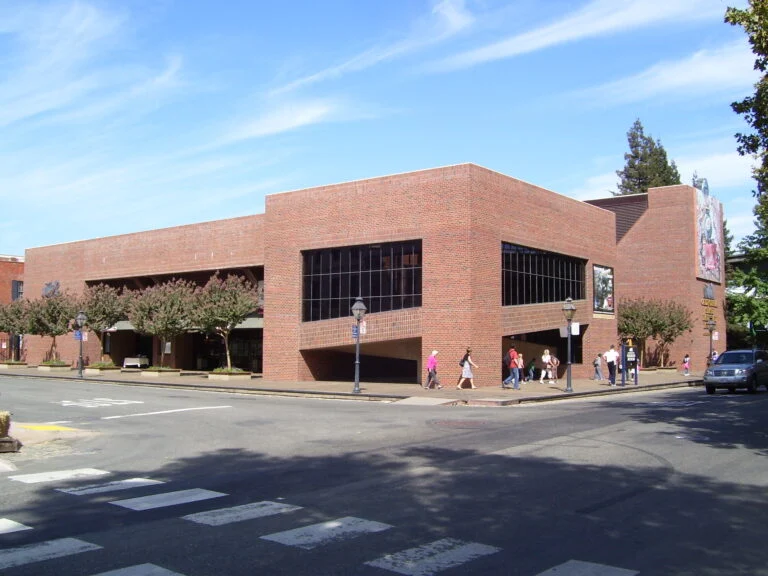
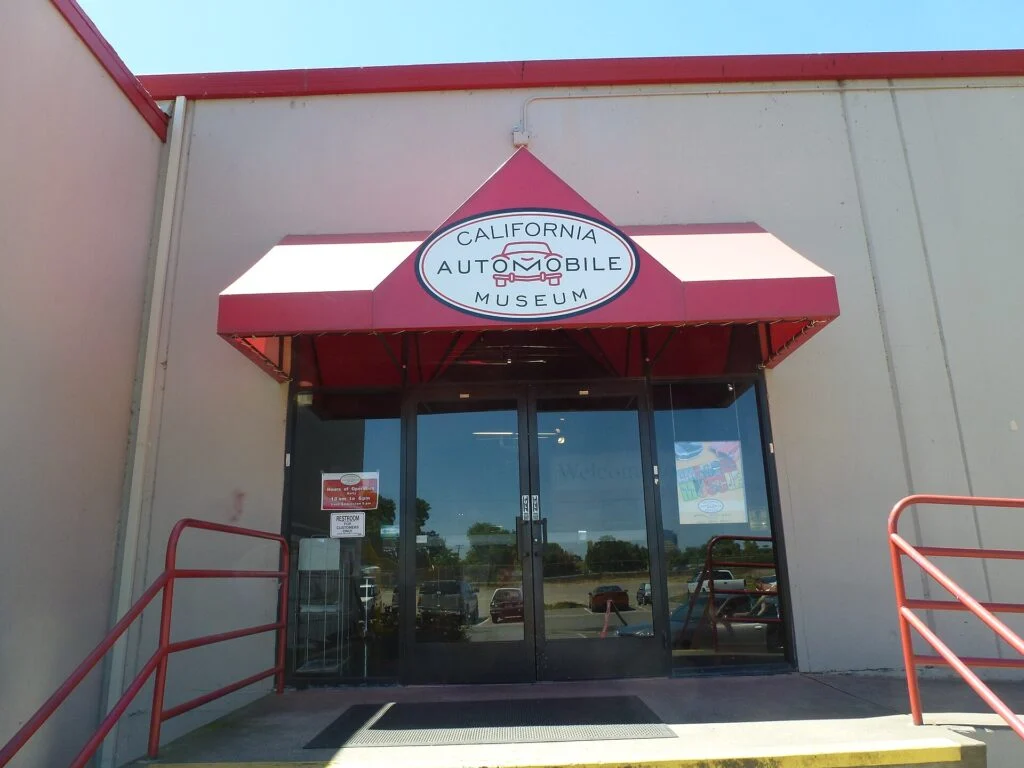
Located in Sacramento, the museum occupies a purpose-adapted building suited to its collection display needs. The structure provides sufficient indoor space to arrange cars in a sequence that makes their historical progression easier to follow. The layout is generally open, enabling visitors to move freely among vehicles and examine them at close range.
The setting within Sacramento places the museum within a city that has its own substantial automotive and transportation history. While the surrounding area is urban, the facility itself offers a calm environment conducive to exploration without the distractions typical of busy city centers. Overall, the building’s size and organization accommodate a mid-scale inventory without overwhelming visitors but supporting a thorough viewing experience.
Practical Information
Those planning a visit should refer to the museum’s official website for current opening hours, admission charges, and any particular visitor requirements. This is advisable as schedules and entry policies can change based on season or special programming. Information on accessibility, parking, amenities, and available guided tours or audio guides should also be verified beforehand.
The museum may host a range of special events or temporary exhibitions, so checking for updates ahead of time can enrich the visit. While the museum is generally suited to a broad audience, some visitors might find specific interest in events or themed displays tailored to particular aspects of automobile history.
For families, casual visitors, collectors, or students, the museum presents different levels of engagement, but some may prefer to focus on certain eras or types of vehicles based on their personal interests. While the museum is not overly large, pacing a visit to explore comfortably without haste will generally be rewarding.
Why Visit
The California Automobile Museum offers a concentrated examination of automotive history from a perspective closely tied to a specific geographic and cultural context. It provides value to visitors who want a more grounded and tangible connection to how cars influenced California over the past century or more.
It is particularly suited for those with an interest not just in the technical aspects of cars but also their cultural and economic meanings. Through its collection and associated displays, the museum conveys stories of innovation, transportation trends, and shifts in lifestyle connected to the automobile.
While it might not have the scale or depth of larger automotive museums elsewhere, its local and state focus creates a distinct narrative angle. Visitors interested in California’s industrial and social history will find the museum’s approach clear and accessible. Enthusiasts of automobile design and classic cars also benefit from seeing a variety of examples illustrating changes in form and function.
The museum’s presentation is straightforward, allowing visitors to form their own impressions without excessive interpretation or dramatization. For those with a casual curiosity about cars or families seeking an educational outing, it offers an experience that is both informative and visually engaging.
Planning ahead is recommended to tailor time and expectations to the exhibits of most interest, especially if the visit coincides with any special displays. Overall, the California Automobile Museum represents a thoughtfully curated snapshot of automotive history that reflects both the technological and societal dimensions of transportation in California.