National Museum of Montenegro
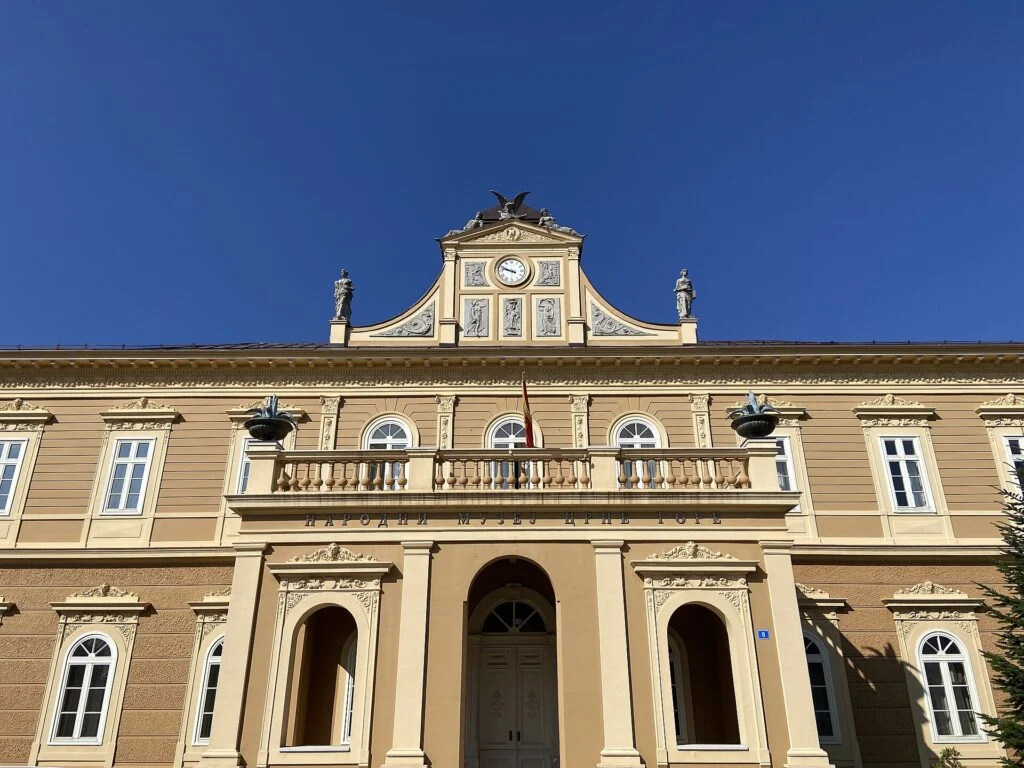
Cetinje, Montenegro. The National Museum of Montenegro, located in the historic town of Cetinje, serves as a central repository for the country’s cultural, historical, and artistic heritage. It functions as a multi-branch institution composed of several…
Best forMuseum lovers, culture travelers, first-time visitors
Setting / nearbyCetinje, Montenegro
Overview
The National Museum of Montenegro, located in the historic town of Cetinje, serves as a central repository for the country’s cultural, historical, and artistic heritage. It functions as a multi-branch institution composed of several museums and heritage sites spread throughout Cetinje. Established to preserve Montenegro’s material culture and promote understanding of its past, the museum offers visitors a structured introduction to the nation’s identity through diverse collections ranging from archaeology to ethnography and fine arts.
Situated in a town long regarded as the historical and cultural capital of Montenegro, this institution reflects the country’s layered development—from medieval principalities to more recent periods of statehood. As the primary museum institution in Montenegro, it plays a major role in presenting narratives on local traditions, national history, and cultural achievements. For anyone interested in Montenegro’s trajectory—politically, socially, and artistically—the National Museum of Montenegro forms a natural starting point.
Collection Highlights
The museum is not just a single building but a constellation of different branches and collections, all under the National Museum umbrella. Among these are the King Nikola’s Palace Museum, the Museum of Contemporary Art of Montenegro, the Ethnographic Museum of Montenegro, the Historical Museum of Montenegro, and the Archaeological Museum of Montenegro, all located nearby in Cetinje.
The Archaeological Museum houses finds from early prehistory through medieval times, presenting artifacts that highlight Montenegro’s geographical position at a cultural crossroads of the Balkans. Visitors can expect to see prehistoric tools, Roman-era pieces, and medieval relics. These collections help illustrate the long human occupation of the region and the various civilizations that have shaped it.
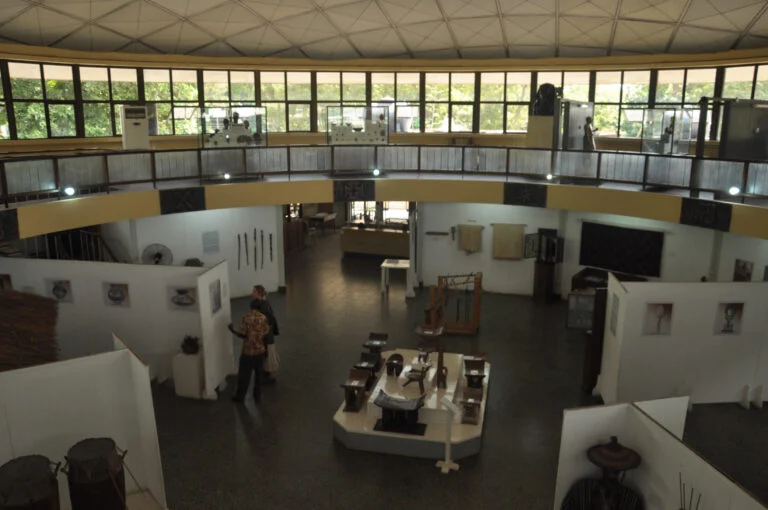
The Ethnographic Museum draws on nearly every aspect of everyday life and folk culture in Montenegro. Its exhibits feature traditional costumes, household objects, musical instruments, and religious artifacts arranged to document rural life in different Montenegrin regions. The display offers insight into the customs and social fabric that defined Montenegrin villages and small towns before rapid modernization.
The King Nikola’s Palace Museum focuses on the constitutional and dynastic history of Montenegro, spotlighting the life and achievements of King Nikola I Petrović Njegoš. The museum displays furniture, personal effects, and official regalia that provide a closer look at the country’s monarchy and its influence on Montenegrin statehood and culture in the 19th and early 20th centuries.
The Historical Museum of Montenegro traces events from the medieval period into the 20th century. It includes a variety of historical documents, photographs, medals, flags, and weapons that together sketch Montenegro’s political and military history. The exhibits underscore Montenegro’s efforts to maintain sovereignty and its role within the wider history of the Balkan Peninsula.
The Museum of Contemporary Art of Montenegro offers a contrasting perspective by showcasing artwork from the 20th century to present day. Its collection features paintings, sculptures, and graphic art by Montenegrin and regional artists, illustrating more recent artistic trends and experimentations that reflect Montenegro’s cultural evolution in a contemporary global context.
Because the institution comprises multiple museums, visitors can tailor their visit according to their interests, whether archaeology, ethnography, royal history, or art. However, the dispersed nature of the collections does mean that scheduling time and transportation should be considered to visit multiple sites comfortably on the same day.
Building and Setting
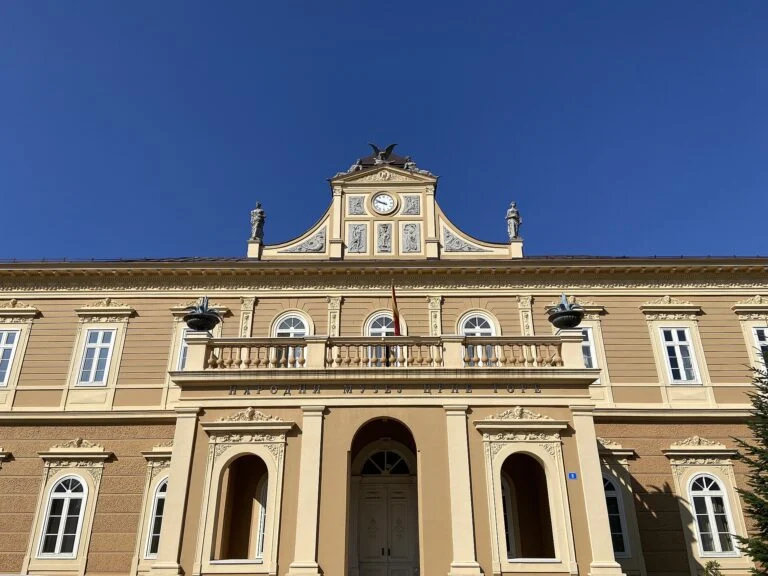
Many of the main branches are housed in historic buildings situated close together in the center of Cetinje, making access between sites manageable by foot. The King Nikola’s Palace is an early 20th-century royal residence set amidst a small landscaped garden, offering a glimpse of aristocratic life and architecture of that period.
The Archaeological and Ethnographic Museums occupy substantial old buildings within the town, with interiors adapted to display diverse collections. The Historic Museum is similarly located nearby, often in a building that itself carries historic significance, reinforcing the connection between content and context.
The Museum of Contemporary Art is housed slightly apart from the main cluster of historic buildings, providing a modern setting that suits its collection, contrasting with the predominantly period-style architecture of the other branches.
Cetinje itself is a small town with a distinctive feel—quiet streets, a moderate number of pedestrians, and a focus on preserving cultural heritage. Its setting in the mountainous heart of Montenegro provides a scenic backdrop that complements the historic mood of the institutions and invites visitors to spend time exploring local streets and other nearby landmarks in addition to the museum.
Practical Information
Because the National Museum of Montenegro consists of multiple sites, visiting arrangements can depend on which branches or exhibitions you plan to see. Opening hours, ticketing policies, and visitor facilities may vary and are subject to change. Checking the museum’s official website before planning your visit is strongly advised for the latest information about access, any special exhibitions, guided tours, and accessibility accommodations.
Given the multiple locations, visitors should consider transport options between branches and factor in adequate time, especially if interested in several museums in the complex. Some collections might be in historic buildings without modern visitor infrastructure, so comfortable walking shoes and a readiness for modest facilities can be helpful.
Why Visit
The National Museum of Montenegro serves as a key gateway to understanding Montenegro’s multifaceted heritage. It is especially relevant to visitors who seek to ground their experience of the country in its tangible past and cultural traditions. Unlike museums dedicated solely to one genre or period, it presents a broader cultural panorama articulated through specialized branches that cover archaeology, ethnography, history, royal life, and contemporary art.
The appeal lies in the opportunity to explore Montenegro’s historical narrative through genuine artifacts and authentic historic settings, providing context that goes beyond general descriptions. The Ethnographic and Historical Museums, for example, offer concrete insights into the social fabric and political struggles that shaped the country. King Nikola’s Palace anchors the royal dimension of national identity. Meanwhile, the Archaeological and Contemporary Art Museums place Montenegro within wider regional and global frames of time and culture.
While the museum system may not offer the streamlined experience of a single-building institution, its arrangement reflects the historical layering and complexity of Montenegro itself. Visitors prepared to approach it as a project spread across related sites will find it rewarding. It suits those who appreciate exploring material culture on-site and examining both everyday life and elite history.
For people with a strong interest in the Balkans, national identity formation, or Eastern European history, this museum offers foundational perspectives. Art lovers will find the contemporary art section relevant to regional artistic developments. At the same time, casual visitors curious about Montenegro’s roots and traditions will find accessible collections that invite reflection on continuity and change in this small but historically rich country.
In sum, the National Museum of Montenegro in Cetinje presents a well-rounded cultural experience anchored in authentic places and objects. It deserves consideration as a point of departure for anyone wishing to understand more deeply how Montenegro’s heritage has been preserved and interpreted in the present. As with any complex institution composed of various branches, some prior planning will enhance the visit, but the overall offering rewards curiosity and patience with a meaningful encounter.