Acropolis Museum
About: Go late afternoon for softer light. The top-floor Parthenon Gallery is the highlight — align it with sunset if possible.What to see: Start with.
Best forAncient history, archaeology, cultural heritage
Setting / nearbyEurope
Overview
The Acropolis Museum in Athens is one of the most important archaeological museums in Europe and one of the clearest examples of a museum designed around a single historical and cultural site. Unlike older museums that gather material from many unrelated places and periods, the Acropolis Museum has a much tighter identity. It exists to present, interpret, and protect the finds connected to the Acropolis and its surrounding slopes, and that focus gives the visit unusual clarity. For visitors, this means the museum is not simply a collection of ancient Greek objects placed in elegant rooms. It is a museum built around context. The objects here matter not only as artworks, but as pieces of a larger architectural, religious, and civic world that once stood above the city.
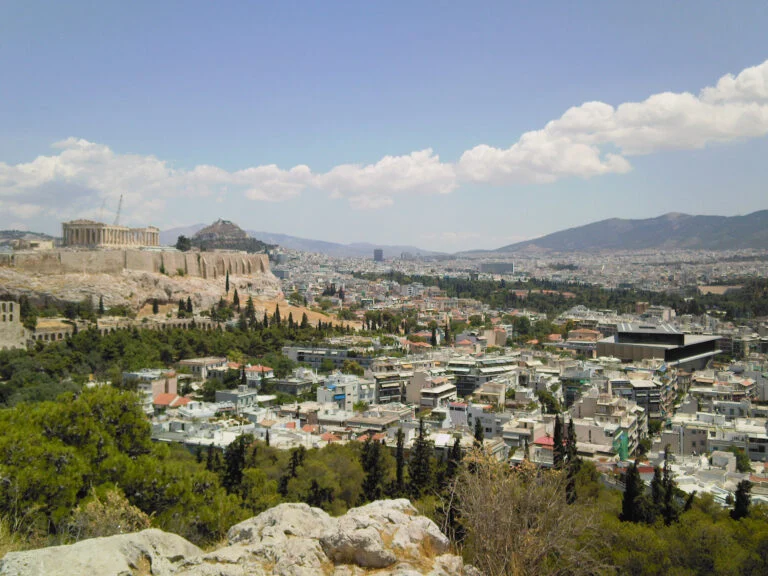
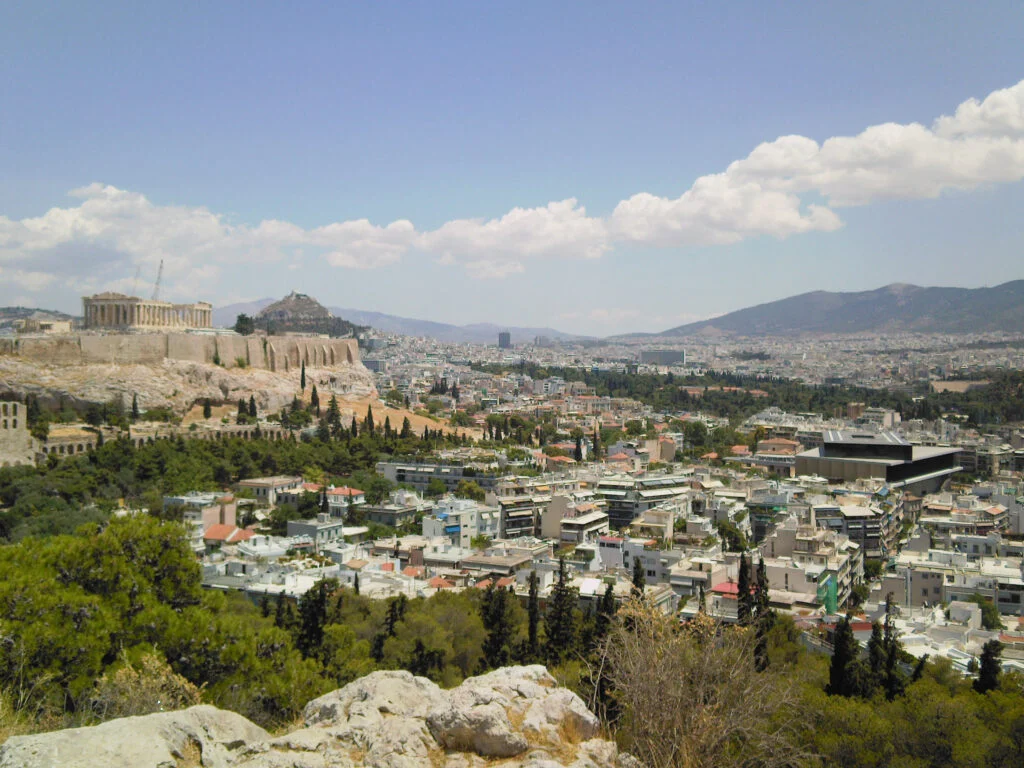
That is one of the museum’s greatest strengths. The Acropolis Museum works because it does not separate the visitor too completely from the site that gives the collection meaning. The Acropolis remains physically present throughout the experience, sometimes directly visible, sometimes implied through orientation, light, and the arrangement of the galleries. This makes the museum feel unusually grounded. You are not being asked to imagine an absent world from a distance. You are being invited to understand surviving material in relation to the place from which it came.
The museum is also especially effective because of its balance between archaeological seriousness and modern presentation. Many archaeological museums are rich in material but can feel crowded, old-fashioned, or difficult for first-time visitors to navigate. The Acropolis Museum is different. Its design is spacious, controlled, and legible, and that makes the collection more accessible without reducing its complexity. Visitors can move through the galleries with a sense of progression rather than confusion. The museum therefore works well both for people deeply interested in classical antiquity and for first-time visitors who simply want one strong archaeological experience in Athens.
What makes the museum particularly rewarding is that it combines objects of very high historical importance with a building that supports the act of looking. This is not a museum of overwhelming abundance. It is more selective, and in many ways more disciplined, than some larger archaeological institutions. That allows the best works to breathe. Reliefs, sculptures, architectural fragments, and figures can be seen in relation to scale, form, and light rather than only as part of a dense mass of antiquities. For many visitors, that makes the Acropolis Museum one of the most satisfying museum visits in Athens, and one of the few archaeological museums that can feel both intellectually strong and immediately enjoyable.
Collection Highlights
The clearest highlight is the top-floor Parthenon Gallery, which for many visitors is the emotional and intellectual centre of the museum. This gallery is one of the most successful museum spaces in Europe because it does more than display important fragments. It re-creates, in a carefully considered way, the structure and orientation of the Parthenon itself. Reliefs, metopes, and sculptural elements are presented in a way that helps visitors understand them as parts of an architectural and narrative whole rather than as disconnected masterpieces. This is where the museum’s focus on context is most fully realised.
The top floor is also strengthened by its relationship to light and view. Because the gallery is aligned with the Acropolis, the visitor is never entirely separated from the monument outside. That visual connection is crucial. It helps explain why the sculptures matter and why this museum could not easily exist in the same way elsewhere. The experience is often particularly strong in softer late-afternoon light, when the gallery feels less harsh and the relationship between sculpture, architecture, and the Athens skyline becomes even more pronounced.
Below that, the Archaic galleries are another major strength. These rooms often leave one of the deepest impressions because they show a world before the full classical ideal had settled into its later forms. The sculptures retain a directness and individuality that can be especially compelling. Seen together, they help visitors understand how Greek sculpture developed and how religious and civic art changed over time. These works are not only important historically. They are also some of the museum’s most visually engaging objects, with a presence that is often stronger in person than in reproduction.
The galleries connected to the slopes of the Acropolis and the broader sanctuary context are also valuable. These sections help widen the visit beyond the Parthenon alone. They remind visitors that the Acropolis was not one building but a larger sacred and civic environment. Architectural fragments, dedications, reliefs, and everyday finds help build a more complete picture of how the area functioned. This broader context is important because it prevents the museum from becoming too narrowly focused on one monument, even though the Parthenon remains central.
Another important feature is the way the museum handles fragments. In less successful archaeological museums, fragments can feel like remnants meaningful only to specialists. Here, they are often arranged so that their relationship to larger structures and visual programs remains intelligible. That makes the museum more rewarding for non-specialists, who can appreciate not only isolated beauty but historical purpose.
Building and Setting
The building is one of the museum’s defining achievements. It is modern, spacious, and carefully composed, but it avoids becoming a piece of showy architecture that competes with the antiquities inside. Instead, it supports the collection through clarity, light, and movement. This matters enormously. The Acropolis Museum would be a strong collection in any setting, but the quality of the building turns it into a much stronger overall experience.
Its setting in Athens is equally important. The museum stands close enough to the Acropolis that the relationship between museum and monument remains active throughout the visit. This gives the institution a rare sense of geographical truth. The collection is not floating free in a distant capital or a neutral gallery complex. It remains tied to the site that generated it. For visitors, this produces a stronger and more memorable encounter than one gets in many archaeological museums where the original setting has disappeared from view.
Inside, the museum’s circulation is one of its best practical and aesthetic qualities. The galleries encourage movement upward toward the Parthenon Gallery while still allowing each lower level to establish its own atmosphere. The sequence feels deliberate, and this helps the visit feel intelligible even to those who arrive with limited prior knowledge. Glass, openness, and controlled lines of sight all support the act of orientation. This is especially useful in a museum of ancient material, where confusion can easily weaken the visitor’s engagement.
Practical Information
The Acropolis Museum is best visited with enough time to move steadily rather than quickly. It is not an exhausting museum on the scale of the Louvre or Vatican Museums, but it is rewarding enough that a rushed visit will feel thin. A good approach is to move through the lower levels with attention to the broader archaeological context and then allow extra time for the upper-floor Parthenon Gallery, which is where many visitors most want to linger.
Late afternoon can be a particularly good time if the light is softer and the top-floor views are clearer and calmer. The museum benefits from that change in atmosphere because light plays such a large role in the experience. Even so, timing matters less than pacing. The museum works best when visitors do not try to consume it too quickly. It is a place to absorb rather than rush.
Breaks can also improve the visit. Because the building is modern and the sequence of galleries is clear, it is easier than in many archaeological museums to pause, reset, and continue with concentration. This helps keep the experience fresh and prevents the Parthenon Gallery from feeling like just another room instead of the culmination it should be.
Why Visit
The Acropolis Museum is best for archaeology lovers, first-time visitors to Athens, and anyone planning a city itinerary around culture at the highest level. It is especially rewarding for visitors who want to understand the Acropolis not only as a famous skyline image, but as a real historical site with artistic, religious, and architectural complexity. Its greatest strength is that it combines important objects with a setting and a building that make those objects legible in a way few archaeological museums manage.
What makes it worth prioritising is the clarity of the experience. The museum is focused without being narrow, modern without being cold, and archaeological without becoming inaccessible. It helps visitors move from admiration of ancient Greek art toward a deeper understanding of where that art came from and how it functioned. For many people, that makes it one of the most satisfying museum visits in Athens and one of the strongest archaeological museums in Europe.