Museum of Contemporary Art Kiasma
The Museum of Contemporary Art Kiasma in Helsinki, Finland, is one of the most important museums for contemporary art in the Nordic region and.
Best forMasterpieces, architecture, cultural history
Setting / nearbyEurope
Overview
The Museum of Contemporary Art Kiasma in Helsinki is one of Finland’s most important museums for contemporary art and one of the country’s clearest statements about how art can engage with the present. Unlike museums built mainly around historical collections, Kiasma is rooted in current and recent artistic practice. That gives it a very different atmosphere from older art institutions. A visit here is not about following a settled canon through time. It is about encountering art that asks questions, tests forms, and often responds directly to social, political, personal, or environmental issues.
What makes Kiasma especially compelling is the way it combines national importance with a broad contemporary outlook. It is closely linked to Finnish contemporary art, but it does not present that art in isolation. Instead, it places local and regional voices within wider international conversations. This makes the museum especially valuable for visitors who want to understand what contemporary art in Finland looks like while also seeing how it connects to global themes and artistic methods.
The museum is also important because it helps make contemporary art feel public rather than closed or specialist. Some contemporary art museums can seem intimidating, especially for visitors who are unsure what to expect. Kiasma often works well because it presents art through a variety of media and approaches, allowing different types of visitors to find entry points. Installations, moving image, sculpture, performance-related work, and painting can all appear here, and that variety helps make the museum feel active and open-ended rather than fixed.
For visitors to Helsinki, Kiasma offers a strong contrast to the city’s more historical museums. It is one of the places where Helsinki presents itself as a modern cultural capital: curious, experimental, and engaged with the present. That makes it valuable not only as an art destination, but also as part of understanding the city’s wider cultural identity.
Collection Highlights
One of Kiasma’s major strengths is the way it presents contemporary art as a field of many different forms rather than a single style. A museum like this succeeds when it can bring together works that challenge the visitor in different ways, and Kiasma benefits from this breadth. Instead of asking the visitor to accept one dominant artistic language, it allows contemporary art to appear as something varied, unstable, and often surprising. That is one of the reasons the museum can be rewarding even for people who do not usually think of themselves as contemporary art visitors.
The collection is particularly important for understanding Finnish and Nordic contemporary art. This gives the museum a strong regional identity and makes it more than just a branch of international art culture. Visitors are able to encounter artists working from within Finnish and northern European contexts while also seeing how those works relate to broader global concerns. This creates a museum experience that feels both rooted and outward-looking.
Another major strength is the use of installation and space. Contemporary art often works differently from painting-based museum traditions, and Kiasma benefits when it allows artworks to occupy rooms fully, to shape movement, and to create environments rather than simply hang on walls. This makes the visit more physical and more varied. Some works may be immediate and visual, while others may ask for slower attention, reading, or reflection.
The museum is also especially rewarding because it often brings together art and questions about society, identity, memory, body, technology, and ecology. These kinds of themes are central to much contemporary art, and Kiasma’s value lies partly in how clearly it allows those themes to emerge. The museum does not ask visitors only to admire skill or beauty in a traditional sense. It asks them to think, respond, and notice how art connects to present life.
Temporary exhibitions also play a major role in what makes Kiasma strong. A museum of contemporary art should not feel fixed, and Kiasma’s changing exhibitions help ensure that the institution remains active rather than static. This also means that repeat visits can feel substantially different, which is one of the marks of a healthy contemporary museum.
Building and Setting
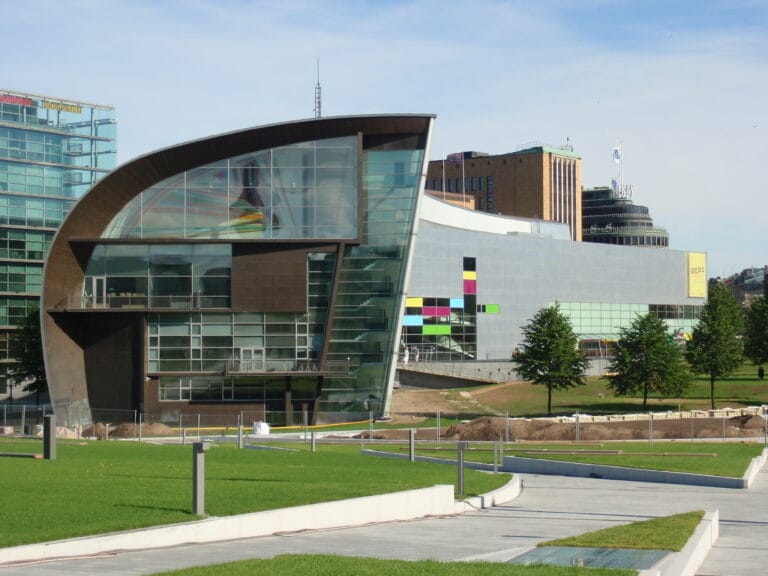
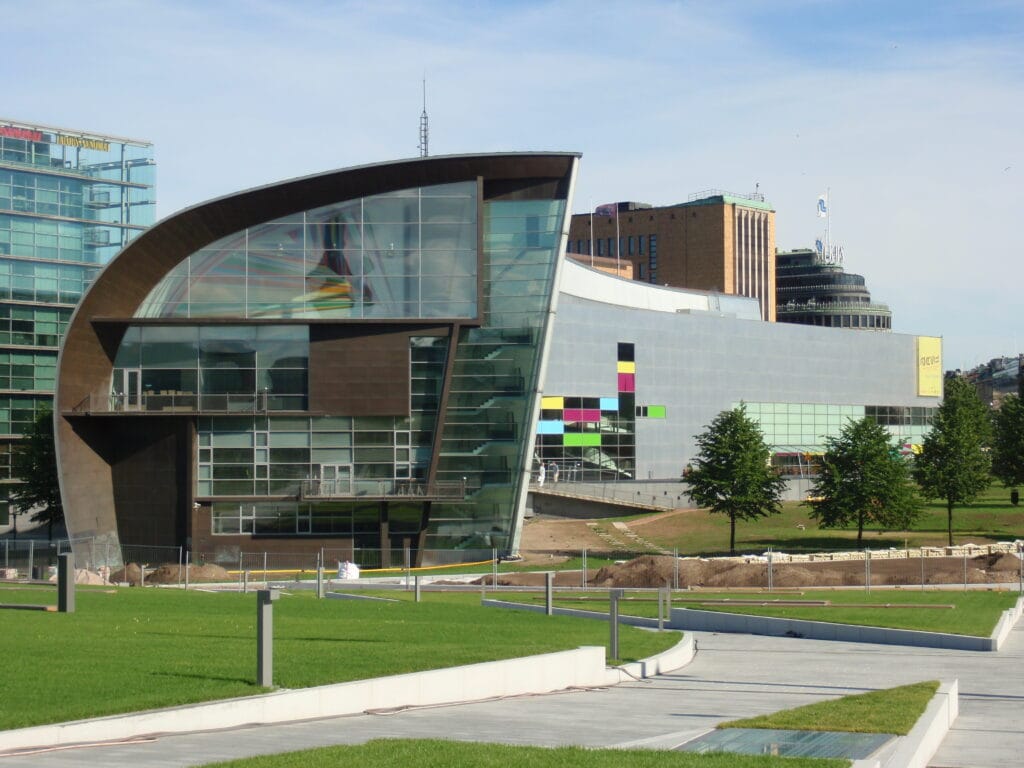
The building itself is one of Kiasma’s defining features. Contemporary art museums often depend heavily on architecture because the spaces must be able to adapt to many different kinds of work, and Kiasma benefits from a building that feels distinctive and purposeful. The museum’s architecture gives the visit a sense of movement and changing perspective, which suits the collection well. Contemporary art rarely unfolds in a single straight line, and the building reflects that.
This architectural identity matters because it shapes the visitor’s relationship to the work. Some galleries invite openness, others concentration, and others a more immersive encounter. That variation helps the museum avoid monotony and makes it easier for very different works to coexist. The building is not simply a neutral shell. It actively supports the experience of contemporary art.
Its central setting in Helsinki also adds to its importance. Kiasma feels like part of the public life of the city rather than a museum set apart from it. That civic presence is especially important for a contemporary art museum, because contemporary art is often strongest when it feels connected to the world outside the gallery. Kiasma’s urban placement reinforces that connection and helps make the institution feel current, public, and engaged.
The atmosphere created by the museum’s architecture and location is one of its great strengths. Kiasma feels like a place for encounter rather than reverence alone. That makes it especially suitable for contemporary art, which often works best when visitors feel invited to participate intellectually and emotionally rather than simply observe from a distance.
Practical Information
Kiasma is best visited with enough time to move through both the permanent and temporary displays without rushing. Contemporary art museums often seem quick at first glance, but many works need a little time to register properly. Video pieces, installations, and text-based works in particular are more rewarding when visitors allow space for them rather than trying to see everything too quickly.
It works especially well for visitors interested in current art, architecture, and cultural debate, but it can also be a good entry point for people who are uncertain about contemporary art. The museum’s variety means that not every work will appeal equally to every visitor, but that is also part of its strength. The experience becomes more personal, and different people often remember different works.
Kiasma also fits naturally into a wider day in central Helsinki, yet it is strong enough to justify focused time of its own. Because exhibitions change regularly, checking current visitor information before going is worthwhile, especially for those who want to see a particular show.
Why Visit
Kiasma is worth visiting because it offers one of the clearest ways to encounter contemporary art in Finland in a serious but accessible setting. It is not only a museum of objects. It is a museum of questions, ideas, and forms that belong to the present. That makes it different from Helsinki’s more historical institutions and gives it a distinct cultural role.
It is also worth visiting because it combines architecture, collection, and civic presence so effectively. The building supports the work, the collection provides depth, and the museum’s central setting helps contemporary art feel part of the life of the city rather than cut off from it.
If you want a Helsinki museum that feels current, exploratory, and open to many forms of artistic expression, the Museum of Contemporary Art Kiasma is one of the clearest choices. It is one of the city’s most distinctive museum visits and one of Finland’s most important contemporary art spaces.