Ateneum Art Museum
Ateneum Art Museum in Helsinki, Finland, is one of the country’s most important cultural institutions and the principal museum for understanding.

Best forMasterpieces, architecture, cultural history
Setting / nearbyEurope
Overview
The Ateneum Art Museum in Helsinki is one of Finland’s most important cultural institutions and the country’s best-known art museum. It holds the oldest and largest art collection in Finland and presents a broad view of Finnish art from the eighteenth century to modernism, while also placing that story in dialogue with international art. This combination gives the museum unusual weight. It is not only a place to see famous individual works, but a place where visitors can understand how Finnish art developed, how artistic institutions were formed, and how national and international influences met over time.
What makes the Ateneum especially compelling is the way it balances national importance with accessibility. A museum so central to Finnish art history could easily feel formal or overly institutional, yet the Ateneum remains approachable because its collection is built around strong, recognisable works and clear historical development. Visitors can move from Romantic portraiture and nineteenth-century landscape painting into symbolism, realism, and modernist experimentation without losing the thread of the story. That continuity is one of the museum’s greatest strengths.
The Ateneum is also significant because it has long been more than a display venue. The building itself has a deep connection to Finnish art education and museum history. Many important Finnish artists studied there when the building housed art education as well as collections. This gives the museum a richer historical identity than a gallery alone might have. It feels not only like a place where art is shown, but a place where Finnish art was formed, debated, and transmitted.
For visitors to Helsinki, the museum works especially well as a cultural anchor. It offers enough depth for serious art lovers, while still being clear and welcoming for travelers who want one major museum that explains Finnish art in a meaningful way. Instead of trying to be everything at once, the Ateneum succeeds by showing how broad and varied Finnish art can be within a strong and coherent framework.
Collection Highlights
One of the defining strengths of the Ateneum is the scale of its collection. The museum describes itself as holding Finland’s largest collection of paintings and sculptures, with nearly 30,000 works. That gives it a unique position in the country’s cultural life. Rather than depending on a few isolated masterpieces, the museum can present Finnish art in depth, allowing visitors to see how styles, subjects, and artistic ambitions developed across generations.
The collection is particularly strong in the art associated with the shaping of Finnish national culture. Artists such as Albert Edelfelt, Akseli Gallen-Kallela, Helene Schjerfbeck, Hugo Simberg, and Ellen Thesleff are central to the museum’s identity, and their presence gives the galleries both emotional and historical force. These are not simply important names placed side by side. Together, they help tell the story of how Finnish art moved from academic tradition toward more personal, symbolic, and modern forms of expression.
Another major strength lies in the way Finnish and international art are shown in relation to each other. The Ateneum’s collection includes more than 650 international works, and its collection exhibitions often place Finnish works beside artists and movements from beyond Finland. This is especially valuable because it prevents Finnish art from appearing isolated or purely national. Instead, visitors can see it as part of broader European artistic developments, influenced by realism, symbolism, impressionism, expressionism, cubism, and surrealism.
The museum is also important for its holdings of drawings, watercolours, sketchbooks, and other works on paper. These parts of the collection are vital for research and for understanding artistic process. In many museums, works on paper feel secondary to major paintings, but at the Ateneum they help deepen the story. They reveal working methods, changing ideas, and the quieter side of artistic development. That gives the museum intellectual depth as well as visual appeal.
A further strength of the Ateneum is that the collection exhibition changes over time. The museum notes that works are rotated, especially light-sensitive works on paper, and that loans mean famous pieces are not always on view. This makes the museum feel active rather than static. Returning visitors can encounter both familiar classics and new rediscoveries, which is one reason the Ateneum remains such an important public institution rather than simply a fixed display of national icons.
Building and Setting
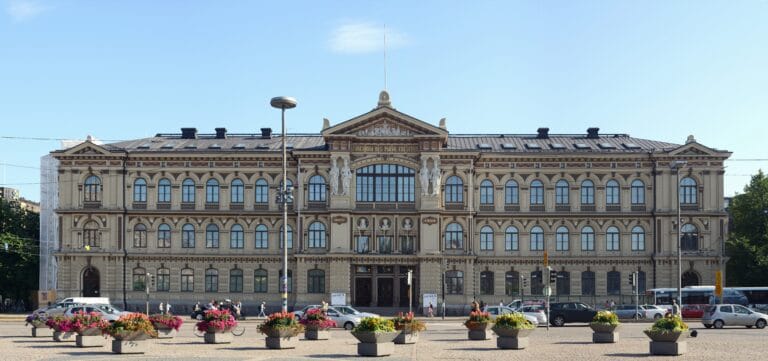
The Ateneum building is itself an important part of the visit. The museum’s official history describes it as a Neo-Renaissance building designed by Theodor Höijer and completed in 1887, opening to the public in 1888. This architectural setting gives the museum a strong sense of presence in central Helsinki. It feels like a historic house of art rather than a generic exhibition container, and that atmosphere adds greatly to the experience.
Its location also matters. The museum stands at Kaivokatu in central Helsinki, making it easy to reach and naturally part of the city’s cultural rhythm. Because of this central position, the Ateneum feels woven into Helsinki’s public life rather than standing apart from it. That urban setting strengthens the museum’s role as a national institution that is also part of everyday city experience.
Inside, the building supports the collection well. A museum covering such a wide historical range needs spaces that allow visitors to move from period to period without confusion. The Ateneum benefits from galleries that help preserve chronological and thematic clarity while still feeling intimate enough for close looking. That matters especially in a museum where subtle paintings, works on paper, and shifts in mood are so important.
Practical Information
The Ateneum has art on display across three floors, with collection displays and temporary exhibitions arranged through the building. Official visitor information notes that temporary exhibitions are typically shown on the third floor and that guided tours and exhibition introductions are available. This makes the museum useful both for independent visitors and for those who prefer a more structured visit.
The museum is best visited with enough time to move beyond the most famous works. It is tempting to focus only on major names, but the Ateneum is more rewarding when approached as a full story of Finnish art rather than a short checklist of highlights. Visitors with an interest in national art history, symbolism, modernism, or museum culture will likely find it especially rewarding.
Because opening hours, ticket arrangements, and exhibitions change, it is sensible to check the latest official visitor information before going. The museum also notes that some works may not always be on display because of loans or conservation rotation, so a little planning helps set expectations.
Why Visit
The Ateneum Art Museum is worth visiting because it offers the clearest and richest introduction to Finnish art available anywhere. It combines national importance, collection depth, and a historic museum setting in a way that feels both serious and welcoming. For anyone who wants to understand Finnish painting and sculpture beyond a few famous names, it is the essential museum.
It is also worth visiting because it shows Finnish art as part of a broader European story. The museum does not isolate national culture from outside influence. Instead, it reveals how Finnish artists absorbed, transformed, and responded to larger artistic movements while developing their own visual language.
If you want one art museum in Helsinki that combines historical depth, major works, and a strong sense of cultural identity, the Ateneum is one of the clearest choices. It is one of those museums that rewards both first visits and repeat visits, and one that leaves a much fuller impression than its calm exterior might first suggest.