Museu Moto Bassella
Motorcycle Museums · Bassella, Spain. The Museu Moto Bassella is a specialized motorcycle museum located in Bassella, a town in Catalonia, Spain. This museum focuses on the history and development of motorcycles, offering visitors insights into the evolution of…
Best forScience, technology, hands-on learning
Setting / nearbyBassella, a town in Catalonia, Spain
Overview
The Museu Moto Bassella is a specialized motorcycle museum located in Bassella, a town in Catalonia, Spain. This museum focuses on the history and development of motorcycles, offering visitors insights into the evolution of two-wheeled motor vehicles in Spain and beyond. Unlike large state-run institutions covering broader transportation topics, Museu Moto Bassella is more intimate and focused, appealing especially to motorcycle enthusiasts and those interested in mechanical design, motor culture, and regional transport history. It holds a distinctive place in the museum landscape by dedicating its efforts primarily to motorcycles rather than broader automotive subjects.
The museum reflects a regional passion for motorcycling but also connects to wider historical narratives of technological progress and leisure activities in the 20th and 21st centuries. Its collections and exhibitions provide a chance to understand how motorcycles have influenced mobility and lifestyle choices, especially in a Catalonian context where motorbikes are common both for practical transport and recreational uses.
Collection Highlights
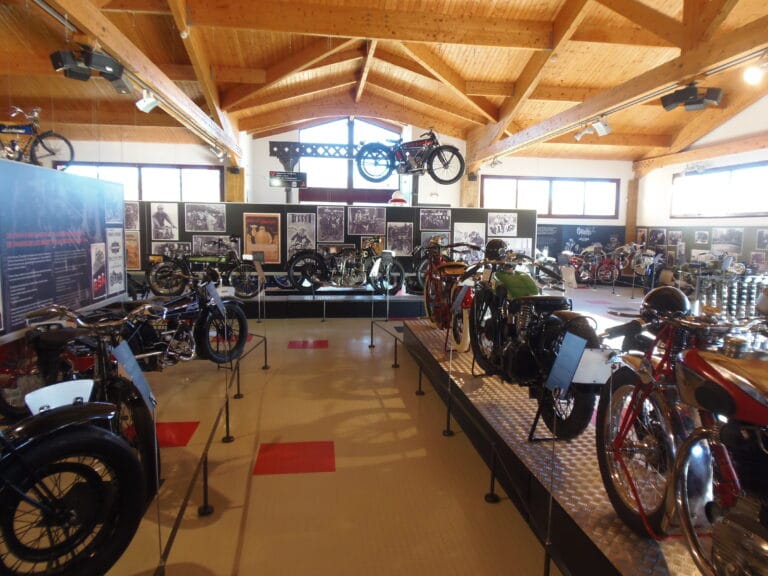
The core strength of Museu Moto Bassella is its collection of motorcycles spanning various eras and types. Visitors can expect to find an array of models that showcase the technical and stylistic changes motorcycles have undergone over decades. The collection emphasizes historic bikes as well as some rarer or locally significant examples. While it does not necessarily aim to present every important international brand or model, it provides a focused look at the evolution of motorcycle engineering and design, possibly featuring Spanish manufacturers alongside renowned international ones.
In addition to the motorcycles themselves, the museum likely includes related artifacts such as helmets, riding gear, spare parts, tools, and photographs, which help contextualize the riding experience and maintenance practices. These items enrich the narrative beyond machinery, offering a sense of the broader culture surrounding motorcycling.
The displays may highlight notable periods, such as early 20th-century motorcycles, post-war developments, and modern sport or off-road bikes. Depending on the exhibition layout, explanatory panels or multimedia could offer background on technical specifications, engineering challenges, or the social role of motorbikes in different decades. For visitors unfamiliar with motorcycles, the museum may serve an educational role by breaking down jargon and illustrating how motorcycles work and have changed.
Building and Setting
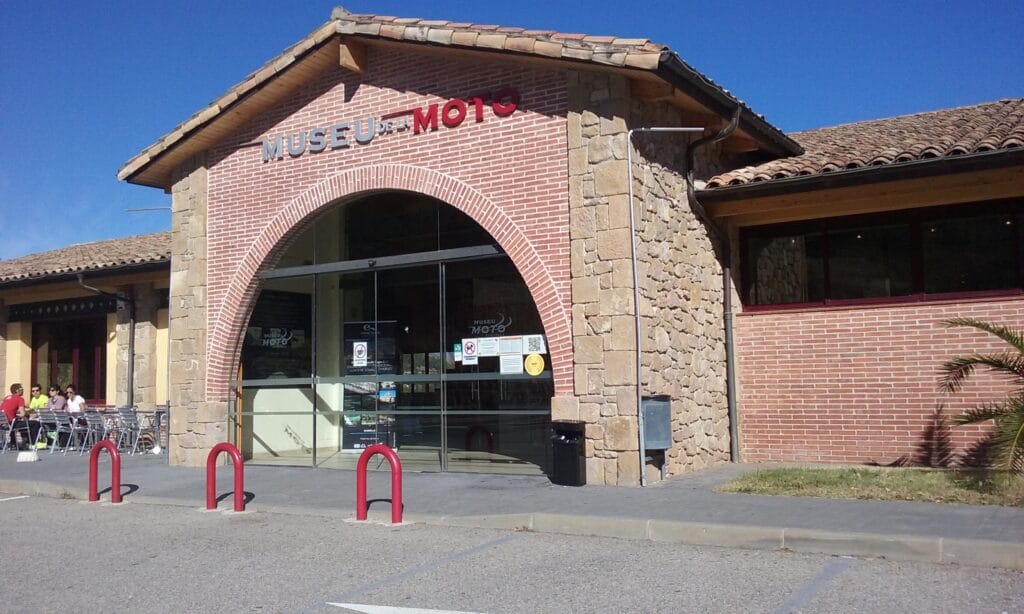
The museum is set in Bassella, a municipality not far from the central Catalan province of Lleida. The location benefits from its proximity to natural surroundings and rural roads, which aligns well with the interests of motorcycling visitors. While the building itself is described as suitable to house the collection, it does not compete architecturally with larger urban museums but rather takes advantage of a clean, functional space that supports display and conservation needs.
The setting offers a sense of quiet and focused engagement with the exhibits. Bassella’s relatively tranquil environment contrasts with busier cities, making a visit potentially more relaxed and less crowded. The museum grounds and nearby areas may appeal to visitors interested in combining a cultural visit with exploration of countryside roads favored by motorcycle riders.
Practical Information
Information about opening times, admission fees, and available services at Museu Moto Bassella should be verified through its official channels before planning a visit, as such details can change. The museum’s website or direct contact points will offer the most accurate and up-to-date information on hours of operation, ticketing policies, guided tours, or audio guides if available.
Given its specialized nature and location in a smaller town, prospective visitors should consider transportation options carefully. Public transport may be limited, so private car travel or motorcycle is likely the most convenient means to reach the museum. Also, check access details if you have particular mobility needs to ensure the site accommodates them.
While the museum may not be large enough for extended visits, its focused collection can be appreciated in a shorter timeframe. Visitors interested in motorcycles or regional history can plan accordingly to complement their itinerary with nearby attractions or scenic routes.
Why Visit
Museu Moto Bassella offers a chance to engage with a specific cultural and technological dimension that often receives less attention in larger, more generalist museums. Its focused motorcycle collection provides tangible insights into the craft and passion behind two-wheeled motor vehicles. For motor enthusiasts, the museum offers a meaningful concentration of motorcycles that reflects both local and broader developments.
Beyond the mechanical appeal, the museum illuminates how motorcycles have shaped mobility, identity, and leisure in Catalonia and Spain over the decades. Its modest scale and location in Bassella create a quieter atmosphere for reflection and discovery, away from the more commercialized or crowded tourist sites.
However, those looking for a more extensive or international perspective on automotive history might find the scope somewhat limited. The museum is tailored more to those with at least a passing interest in motorcycles, so visitors without that background may encounter a learning curve or less varied exhibits.
In summary, Museu Moto Bassella serves as a well-focused destination for those curious about motorcycles and their significance within Catalan and Spanish culture. It invites a thoughtful engagement with technological history in a setting that supports close viewing and appreciation of the machines and related memorabilia. Checking practical details ahead and considering the location’s transport options will help ensure a smooth visit. For those intrigued by motor vehicles beyond the automobile, this museum offers a distinctive perspective worth consideration during a trip to the region.