Museo Nazionale Romano
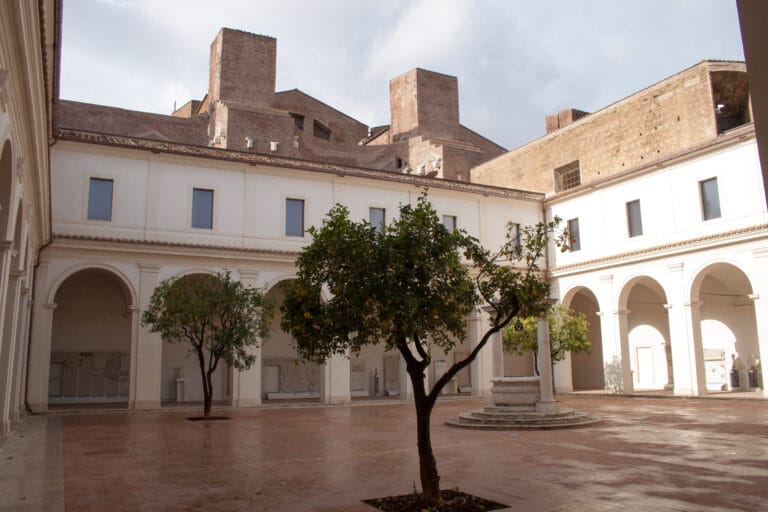
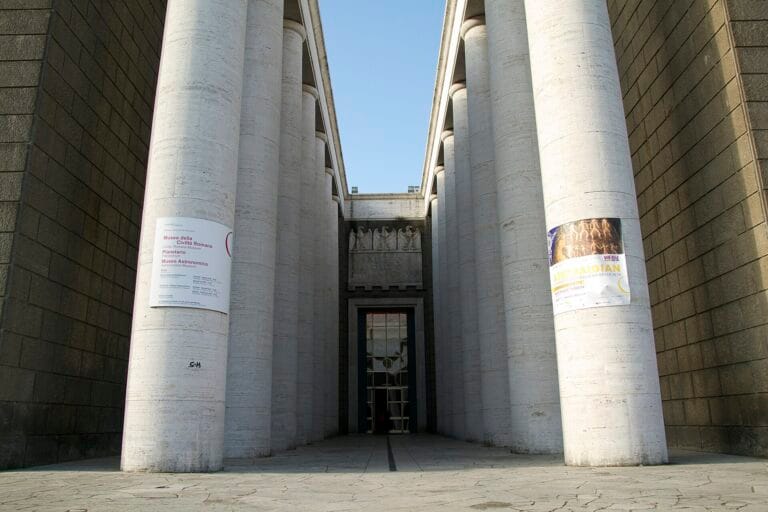
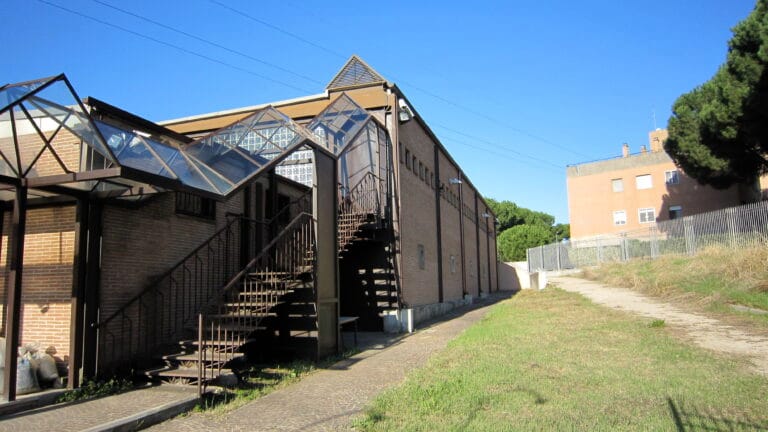
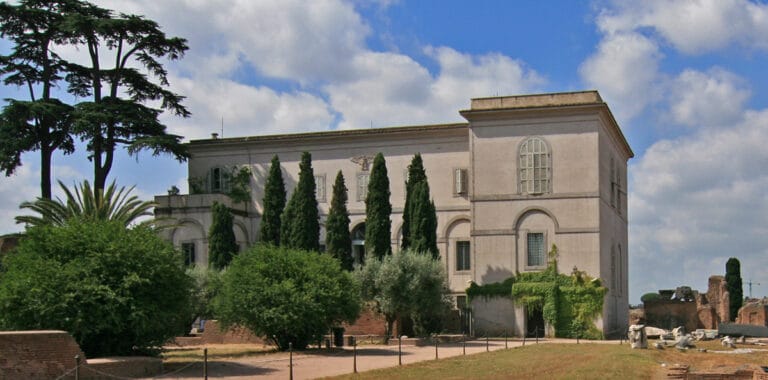
The Museo Nazionale Romano in Rome, Italy, is not a single museum building but a major archaeological institution distributed across several.
Best forMasterpieces, architecture, cultural history
Setting / nearbyEurope
Overview
Museo Nazionale Romano is one of the most important museum institutions in Rome for understanding the ancient city through objects rather than ruins alone. While many visitors experience Rome first through forums, baths, temples, and churches, this museum gives a different but equally essential perspective. It brings together sculpture, wall painting, mosaics, inscriptions, portraits, decorative arts, and everyday objects that show how Roman life looked, felt, and represented itself across centuries. That makes it one of the clearest indoor companions to the archaeological city outside.
What makes the museum especially compelling is that it does not exist as a single simple museum hall. Instead, it is known as a broader institution with different sites and collections, and that structure suits Rome very well. Ancient Rome cannot easily be reduced to one narrow story, and the Museo Nazionale Romano reflects that complexity. Visitors encounter not only imperial grandeur, but also domestic decoration, personal identity, religion, burial culture, and the quieter material of daily life. This gives the institution a depth that many more famous headline attractions do not always provide.
The museum is especially valuable because it helps turn fragments into meaning. In Rome, it is easy to see broken columns, carved heads, inscriptions, and decorative remains without always understanding how they originally functioned. At the Museo Nazionale Romano, these materials are brought into a more interpretive setting. They become evidence of how Romans decorated houses, honored the dead, represented power, and shaped visual culture. That makes the museum useful not only for specialists, but for general visitors who want ancient Rome to become more legible.
For travelers, this means the museum offers something quieter but often richer than the city’s most crowded monuments. It is less about spectacle for its own sake and more about historical texture. Visitors who take the time to explore it usually come away with a fuller understanding of Rome as a lived city rather than only a backdrop of famous ruins.
Collection Highlights
One of the great strengths of Museo Nazionale Romano is the quality of its ancient sculpture. Roman portrait busts, mythological figures, imperial images, and funerary pieces are among the most memorable materials in the collection. These works matter because Roman sculpture was never only decorative. It was deeply tied to memory, status, family identity, and public life. A strong museum collection helps visitors see these differences clearly, and that is one of the institution’s major achievements.
Portraiture is especially important. Roman portraits can seem similar at first glance, but the more closely you look, the more you begin to see the culture of self-representation that shaped them. Age, expression, hairstyle, idealization, and realism all carried meaning. In a museum like this, portrait sculpture becomes one of the best ways to understand Roman attitudes toward authority, ancestry, and social standing. What seems at first like a hall of stone faces gradually becomes a record of how a civilization chose to picture itself.
Another major highlight is the decorative material from villas and houses. Mosaics, frescoes, stucco, and luxury domestic objects often provide some of the most vivid encounters with Roman life. Monumental ruins can tell you about scale, but domestic decoration tells you about atmosphere. Through these objects, visitors get closer to interiors, taste, comfort, display, and the visual richness that surrounded elite Roman life. This kind of material is often what makes the ancient world feel most immediate.
The museum is also rewarding because it includes the smaller objects that many large archaeological narratives overlook. Coins, inscriptions, glass, jewelry, and everyday items can be just as revealing as famous statues. They remind visitors that Roman history was not only made by emperors and generals, but also by household routines, private devotion, commerce, and local custom. These details often give the museum its strongest sense of humanity.
Building and Setting
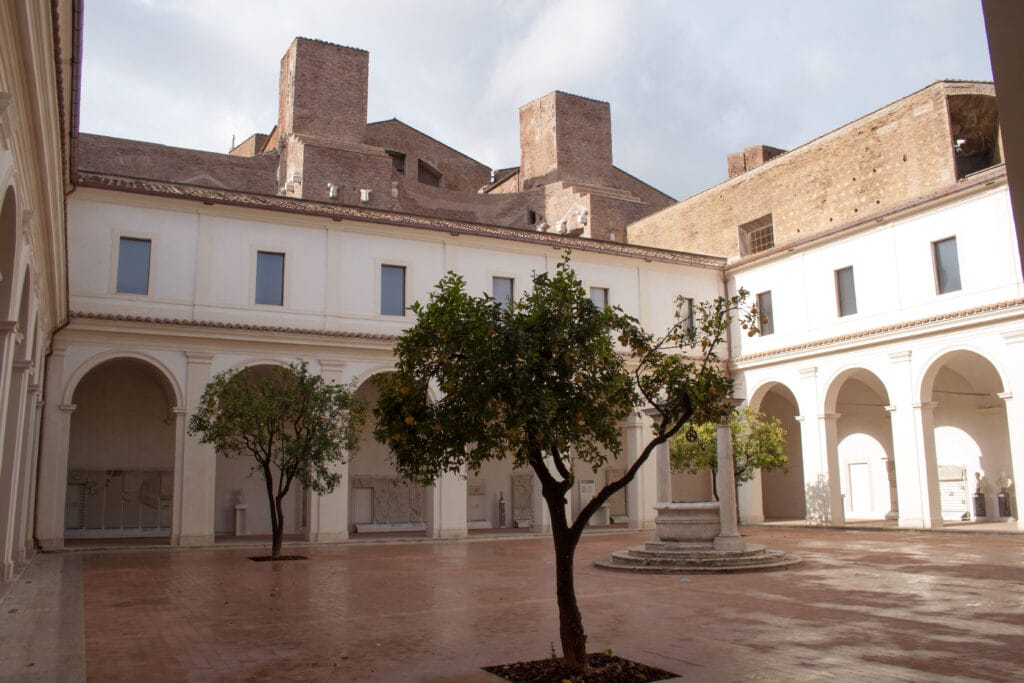
One of the most interesting things about Museo Nazionale Romano is the way its collections are tied to historic Roman buildings and settings. This gives the institution a distinctive character. It is not just ancient material transferred into a single modern box. Instead, the museum experience often includes a relationship between object and architectural context, and that makes the visit feel especially rooted in the city.
This matters because Rome itself is layered. Ancient, medieval, Renaissance, and modern spaces overlap constantly, and the museum reflects that complexity. Visitors are not only seeing antiquities removed from context. They are experiencing how later Rome preserved, displayed, and reinterpreted the ancient city. That gives the museum additional richness and makes it feel like part of Rome’s long historical conversation rather than an isolated archive.
Architecturally, the museum benefits from a quieter, more contemplative atmosphere than many of the city’s busiest sites. This is important because sculpture, mosaics, inscriptions, and domestic decoration reward slower looking. In a more controlled museum environment, visitors can pay attention to details that would otherwise be lost in the scale and heat of outdoor ruins. That slower pace is one of the museum’s greatest advantages.
Its place within Rome also gives it practical and intellectual importance. After visiting archaeological sites outside, the museum often helps those places make more sense. And after seeing the museum first, the city outside can feel far more readable. In this way, Museo Nazionale Romano works especially well as a bridge between object-based history and the monumental city itself.
Practical Information
Museo Nazionale Romano is best approached with enough time to look carefully rather than rushing for a few famous objects. This is a museum that rewards attention. Its value lies not only in major highlights, but in the cumulative effect of sculpture, decoration, portraiture, and smaller artifacts building a fuller image of Roman life.
It is especially rewarding for visitors interested in ancient history, archaeology, Roman domestic culture, and portraiture, but it can also work very well for general travelers who want one museum in Rome that deepens everything else they will see in the city. In many ways, it is most useful when treated as part of a wider Roman itinerary rather than as a detached stop.
Because the institution is broader than a single simple gallery experience, it helps to check current visitor arrangements in advance. But in general terms, this is a museum best experienced slowly and with some curiosity for detail, not only for big-name masterpieces.
Why Visit
Museo Nazionale Romano is worth visiting because it offers one of the richest object-based views of ancient Rome available in the city. It complements the ruins outside by showing the faces, interiors, objects, and visual habits of Roman life in much greater detail. That makes it essential for anyone who wants more than a surface impression of the ancient city.
It is also worth visiting because it reveals the quieter side of Roman civilization. Alongside power and empire, it shows domestic decoration, personal identity, daily life, and the material world that surrounded people beyond the grand monuments. That fuller perspective gives the museum lasting value.
If you want a Rome museum that deepens your understanding of antiquity through sculpture, mosaics, portraits, and lived historical texture, Museo Nazionale Romano is one of the strongest choices. It is thoughtful, layered, and far more rewarding than its relatively calm profile might first suggest.