Museo Franz Mayer
Mexico City, Mexico. The Museo Franz Mayer in Mexico City presents an extensive collection devoted mainly to decorative arts, reflecting styles and craftsmanship from Mexico and other parts of the world. Unlike institutions focused solely on historical…
Best forMuseum lovers, culture travelers, first-time visitors
Setting / nearbyMexico City, Mexico
Overview
The Museo Franz Mayer in Mexico City presents an extensive collection devoted mainly to decorative arts, reflecting styles and craftsmanship from Mexico and other parts of the world. Unlike institutions focused solely on historical artifacts or fine arts, this museum emphasizes design, applied arts, and objects of everyday use that offer insight into material culture, taste, and artisanship from various periods. Named after the Bavarian-born collector Franz Mayer, who donated his personal assemblage of objects, the museum opened in the latter half of the 20th century and is now part of Mexico City’s rich cultural landscape.
While its primary focus is on decorative arts, the museum also touches on social and cultural history through the objects it houses. Visitors interested in ceramics, textiles, furniture, silverwork, and other crafted items will appreciate the scope and variety on display. The institution occupies a specific niche, highlighting how artistic creativity intersects with function and tradition over centuries. It avoids concentrating only on elite artistic production, instead presenting a broader perspective on everyday beauty and craftsmanship.
Collection Highlights
The core of the Museo Franz Mayer’s collection is a diverse range of decorative objects spanning several centuries, with a special emphasis on Mexican craftwork alongside European and Asian contributions. Ceramics, including Talavera pottery, make up a significant portion, illustrating both local and imported styles. The museum also offers a compelling array of colonial-era silverware, showcasing Mexico’s historical role in precious metal work. Furniture pieces range from ornate baroque examples to simpler forms, tracing changes in style and social use.
Textiles in the collection cover a variety of techniques and regions, highlighting indigenous weaving traditions as well as European influences. Noteworthy examples include items such as embroidered garments, shawls, and other fabric works that communicate cultural identity and artisanal skill.
Other distinctive objects include clocks, glassware, and religious art, which situates the collection within historical contexts where decoration and devout practice often intersected. The museum’s holdings also feature a selection of prints and early photographs, adding visual documentation that complements the three-dimensional objects.
Overall, the collection is broad but coherent, giving visitors an opportunity to understand decorative arts as a field of study and interest. Exhibitions tend to be thematic or focused on particular types of craft, connecting objects across cultures and time periods. This allows for an informed, though accessible, exploration of how decorative arts function both as practical items and as carriers of symbolic meaning.
Building and Setting
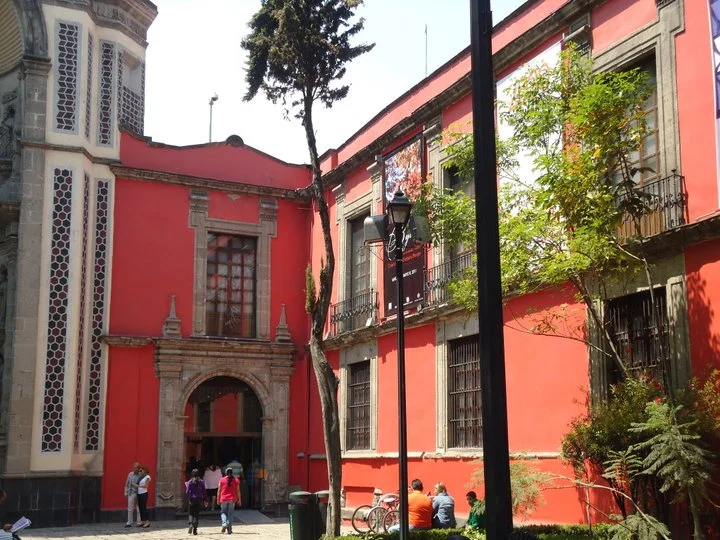
The Museo Franz Mayer is housed in a former hospital and monastery building dating back to the 18th century, located in the historic center of Mexico City. The architecture itself is integral to the visitor experience, offering a sense of continuity with the historical periods represented in the collection. The building’s courtyards, arches, and thick stone walls create a calm environment for viewing detailed works, removed from the noise of the bustling city streets outside.
Situated near other major museums and cultural sites, the museum benefits from being part of an area dense with artistic and historical resources. However, visitors should note that the historic building can impose certain spatial limits on display arrangements and visitor flow. The rooms vary significantly in size and lighting conditions, which may affect how some pieces are presented. Despite this, the setting contributes an atmospheric quality that is difficult to replicate in modern museum spaces.
The layout encourages a mostly linear route through the exhibits, although some rooms can be revisited easily. The museum’s design helps convey a sense of stepping back in time, with the architecture and collections complementing one another. At the same time, modern exhibition techniques and careful conservation work seek to balance the old setting with the needs of contemporary museum visitors.
Practical Information
Visitors planning a trip to Museo Franz Mayer are advised to check the museum’s official website ahead of their visit for the latest information. Important details such as opening hours, admission policies, and whether guided tours or audio guides are available may vary. The museum’s location in central Mexico City means it is accessible by public transportation, but visitors should confirm the best routes for their point of origin and current traffic conditions.
As with many historic buildings, the museum’s facilities may have limitations in regard to accessibility, especially for visitors with mobility challenges. Again, verifying these details closer to the visit date is recommended. The museum includes a shop offering reproductions and books related to the decorative arts, although its scale is modest.
The exhibition spaces generally do not allow photography, or have restrictions, so visitors interested in documenting the visit should clarify current policies. The museum is not primarily designed for children or casual tourists with limited interest in decorative arts, so visitors are advised to consider whether the collection’s focus matches their expectations.
Why Visit
The Museo Franz Mayer attracts those particularly interested in crafts, design history, and Mexico’s colonial past seen through the lens of material culture. It provides an opportunity to appreciate objects that are both art and artifact, illustrating the significance of beauty in everyday items and historical context. For researchers or enthusiasts of decorative arts, the museum can fill a gap between fine art galleries and ethnographic collections.
While it may not offer the breadth of a general national museum or the depth of a specialized archaeological site, the Museo Franz Mayer holds a particular appeal for visitors wanting to understand Mexico’s artistic heritage from a different viewpoint. The museum’s combination of international and Mexican pieces invites a comparative view that shows how global artistic currents influenced local traditions and vice versa.
The historic building adds to the experience by placing the objects within a tangible architectural timeline. This may appeal to lovers of historical structures and those curious about how museums adapt historic buildings for cultural uses.
On the other hand, the museum’s specialized focus and sometimes dense presentation style may not be suited for every visitor. Those seeking a more conventional art museum approach or narrative on Mexican history may want to complement their visit with other institutions nearby.
In summary, Museo Franz Mayer offers a unique window into the world of decorative arts, made richer by its connection to its collector’s vision and its historic home. It rewards those willing to engage slowly with its varied collection and consider the role of craft and design in cultural identity. Checking updated visitor information before attending ensures the planned visit aligns with personal interests and practical needs.