Museo de Metales Preciosos Precolombinos
La Paz, Bolivia. The Museo de Metales Preciosos Precolombinos in La Paz, Bolivia, centers its attention on precious metals and metalwork from pre-Columbian cultures of the Andean region. Unlike general archaeological museums, it concentrates specifically on the…

Best forMuseum lovers, culture travelers, first-time visitors
Setting / nearbyLa Paz, Bolivia
Overview
The Museo de Metales Preciosos Precolombinos in La Paz, Bolivia, centers its attention on precious metals and metalwork from pre-Columbian cultures of the Andean region. Unlike general archaeological museums, it concentrates specifically on the technical skills and artistic traditions that emerged from centuries of metalworking. This focus presents a detailed look at how indigenous peoples transformed gold, silver, and other metals into objects that had social, ritual, and symbolic roles before the arrival of Europeans. The museum addresses the relationship between metallurgy and cultural practices, showing the sophistication of these early societies through the artifacts they produced.
Collection Highlights
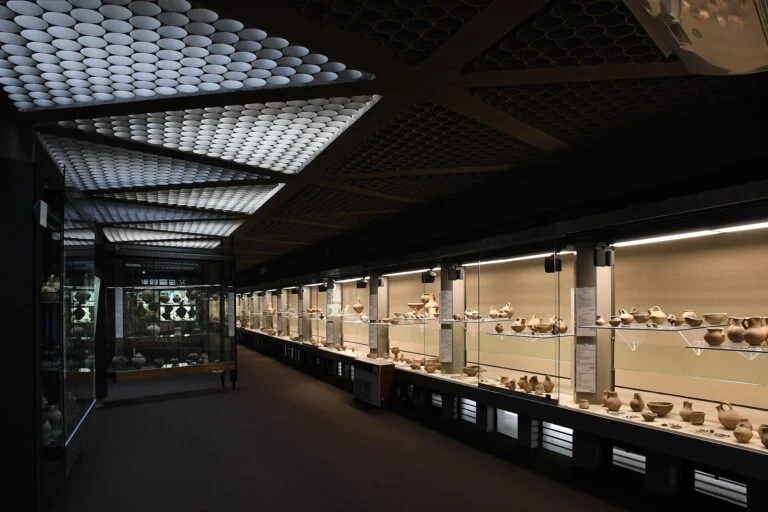
The heart of the museum lies in its collection of pre-Columbian metal artifacts, with pieces drawn mainly from various indigenous cultures such as the Tiwanaku, Inca, and other Andean groups. Visitors can find a wide range of objects including intricate jewelry, ceremonial masks, figurines, and adornments. Many of these items display advanced techniques such as lost-wax casting, gilding, and alloy composition indicative of specialized craftsmanship.
One of the more substantial aspects of the collection involves gold and silver work used in both everyday life and ritual contexts. The metal objects range in date from around the first millennium CE up to the time of the Spanish conquest, offering a chronological insight into evolving styles and technologies. Some pieces demonstrate symbolic motifs and iconography associated with deities, cosmology, and authority, important areas for understanding the role of metal in indigenous societies.
The museum often features tools and display materials that contribute to understanding metallurgical processes, from mining to finishing. While specific named artifacts are not typically highlighted in available sources, the overall emphasis remains on the broad typologies and cultural meanings of metal objects rather than individual masterpieces.
Building and Setting
The museum is located in La Paz, a city at high elevation and known for its rich Bolivian cultural and political history. Although details about the building itself are limited, it forms part of the cultural infrastructure of the city that connects visitors to the region’s indigenous heritage. The immediate surroundings offer urban and historical context, adding a layer of local significance to the museum experience. The museum's placement in La Paz situates it within reach of visitors interested in Andean cultures and Bolivia’s archeological record.
Practical Information
For those planning a visit to the Museo de Metales Preciosos Precolombinos, consult the official website or local tourist resources for up-to-date information about opening hours, admission fees, and any specific visitor requirements. Given the specialized nature of the museum, it may have particular schedules or needs related to group visits or educational programs. Checking these details beforehand helps ensure a smoother visit, especially since public information about amenities and accessibility is not broadly detailed.
Why Visit
This museum will be most rewarding to those particularly interested in Andean archaeology, indigenous technology, or the artistic and cultural applications of metal. It has a clear concentration that allows a deep look at pre-Columbian metallurgical traditions rather than a broad archaeological approach. This focus provides an opportunity to appreciate how metal objects functioned within social and religious life in ancient Bolivia, going beyond typical displays of pottery or textiles.
One limitation is that the museum may not cater as directly to visitors looking for a wide-ranging archaeological overview or other cultural histories beyond metallurgy. Without large-scale contextual displays or extensive narrative content, it appeals mainly to those who want an in-depth, material-centered perspective. While the collection’s absence of named star objects could be a downside for some, it encourages a different kind of attention that values technique and typology.
Visitors who are drawn to technical history or interested in how societies expressed identity through precious metals will find this museum provides thoughtful, concrete examples. The Museo de Metales Preciosos Precolombinos holds a specialized niche in Bolivia’s museum landscape, making it a precise choice for exploring specific aspects of pre-Columbian culture through the lens of metallurgy.