Museo de Arte Miguel Urrutia
Art Museums · Bogotá, Colombia. The Museo de Arte Miguel Urrutia (MAMU), part of Bogotá’s extensive cultural network, is a contemporary art museum focused on modern and modernist Colombian and Latin American works. Unlike museums that cover broad historical…
Best forArt lovers, visual culture, architecture
Setting / nearbyBogotá, Colombia
Overview
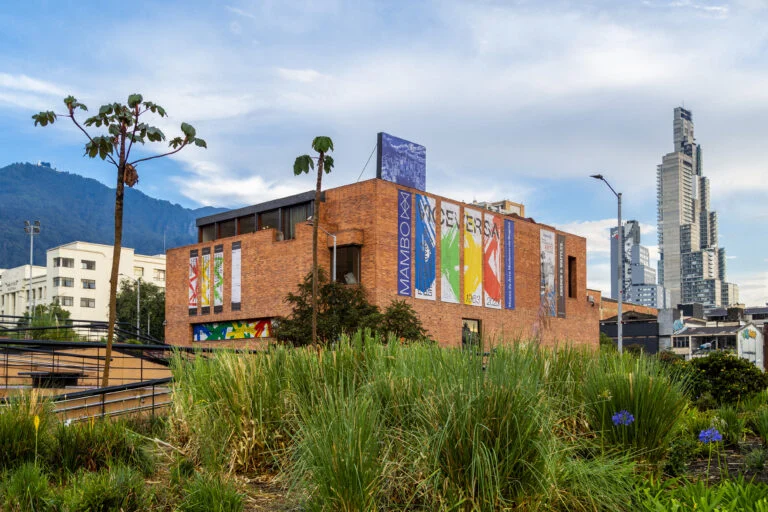
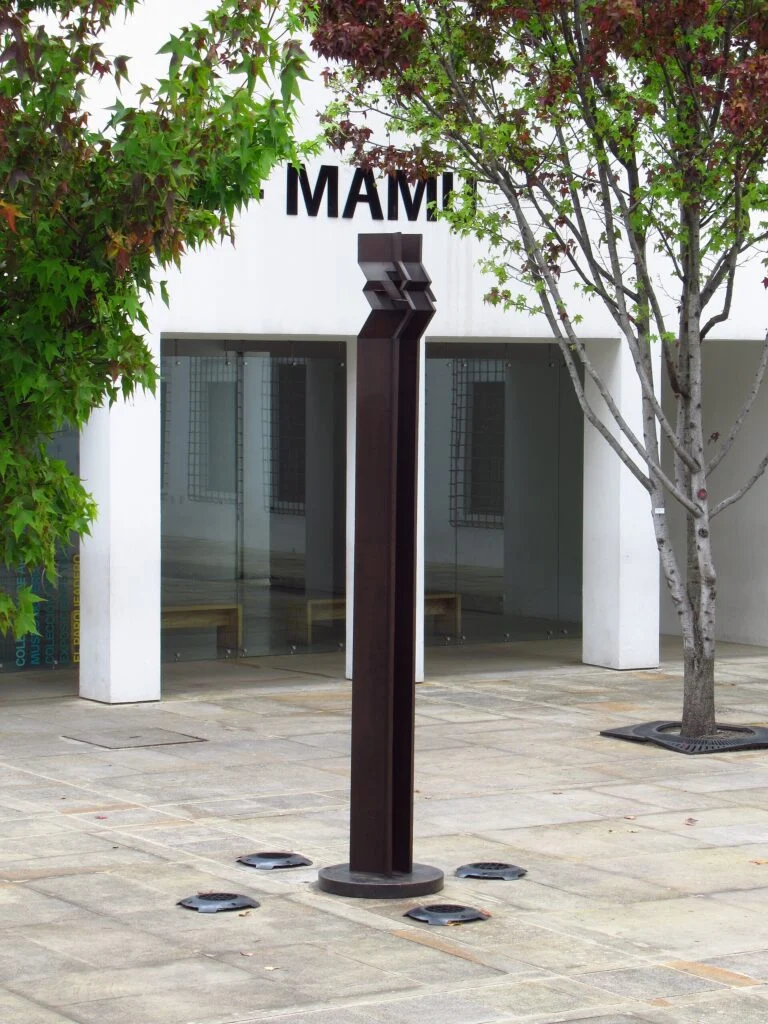
The Museo de Arte Miguel Urrutia (MAMU), part of Bogotá’s extensive cultural network, is a contemporary art museum focused on modern and modernist Colombian and Latin American works. Unlike museums that cover broad historical periods or diverse disciplines, this museum concentrates on 20th and 21st-century art, making it a venue where local and regional artistic developments intersect with international modern art trends. Located in a former industrial building repurposed for cultural use, the museum is not only about the artworks it holds but also about how art dialogues with its architectural and urban context.
Collection Highlights
The permanent collection centers primarily on modern and contemporary art from Colombia and the region, encompassing painting, sculpture, photography, installations, and video art. The museum has sought to represent pivotal moments in Colombian art history through works by artists such as Fernando Botero and Débora Arango, along with younger generations contributing to experimental forms. The presence of Botero is significant because his bulky, exaggerated figures have become a recognizable marker of Colombian visual identity internationally. You will also find works by Alejandro Obregón and other mid-20th-century artists who helped shape a distinctly Colombian artistic language blending local themes with modernism.
Photography plays a substantial role in the collection, with pieces that document urban life and social changes within Colombia, reflecting both documentary and artistic approaches. The museum also collects contemporary video and installation art, providing a sense of evolving artistic practices and the diversity of media beyond traditional painting and sculpture.
Because the museum is part of the larger Fundación Gilberto Alzate Avendaño complex, its programming occasionally includes film screenings and educational activities that connect with the collection, offering a layered experience of contemporary cultural production in Bogotá.
Building and Setting
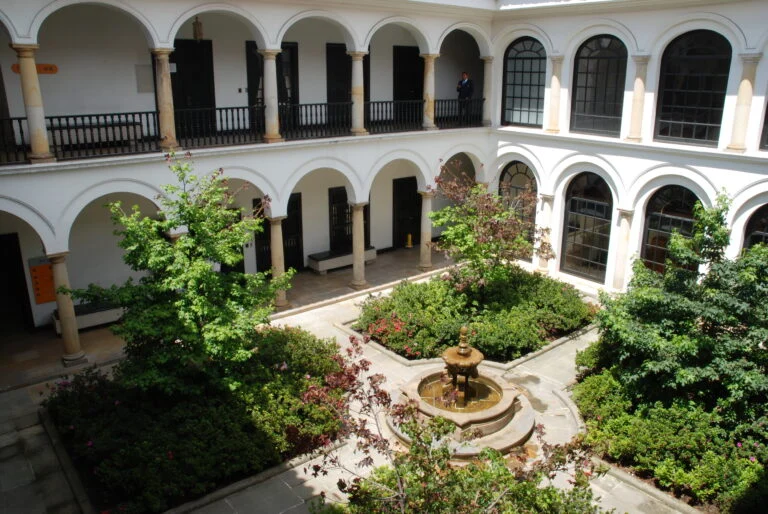
The Museo de Arte Miguel Urrutia occupies the former Casa de la Moneda de Colombia (the Colombian Mint), whose historical use connects the building to Colombia’s industrial and economic history. The transformation of this space reflects a broader urban trend of reusing industrial or institutional structures for cultural purposes, which brings an unusual spatial scale and architectural character to the museum experience.
Situated in the Teusaquillo district, the museum is embedded in a neighborhood with a mix of residential areas and educational institutions, including the nearby National University of Colombia. The building’s industrial past is evident in its high ceilings and brick walls, which frame the art rather than imposing a particular style onto it. This adaptive reuse respects the original architecture while serving the needs of a contemporary art museum. Visitors have the chance to see how modern urban planning and cultural functions converge here, away from Bogotá’s more tourist-centered historic center.
Practical Information
The museum is publicly supported and forms part of Bogotá’s cultural system, so its access policies and hours may align with municipal cultural venues. Since brief details can shift, it is best to consult the official museum website for current information on opening hours, admission fees (if any), discounts, group visits, accessibility accommodations, and details about available tours or educational programs.
The museum’s location is served by Bogotá’s public transport, including buses and TransMilenio lines, but visitors should plan their route in advance due to the city’s size and traffic. Facilities like parking and visitor services depend on the museum’s current operational arrangements, which are best checked online before visiting.
Why Visit
This museum rewards visitors who come to explore Colombian art beyond traditional or colonial narratives, concentrating on the country’s modern and contemporary voices. For those interested in Latin American art's development through the 20th century into the present, it provides a focused window on artists and movements that might be less accessible elsewhere.
One notable strength is the way it situates Colombian art within a former industrial site, allowing for a conversation between history, space, and artistic expression. This lends the museum an additional layer of interest for those curious not only about the artworks but about cultural reuse and urban transformation.
A possible limitation is that visitors looking for a broad sweep of Colombian art history—from pre-Columbian times through to the 19th century—will need to look elsewhere. The museum deliberately directs its resources toward a more recent period, which means it specializes rather than surveys.
The collection’s integration of various media, particularly photography and new media art alongside painting and sculpture, encourages reflection on how contemporary artists handle subjects related to social realities, urban growth, and identity in Colombia. It thus offers a space where literature on current Latin American culture intersects with artistic practice.
Anyone seeking to understand Colombia’s art scene from a 20th-century perspective, especially within a dynamic city like Bogotá, will find the Museo de Arte Miguel Urrutia worthwhile. Its combination of focused collection, thoughtful building reuse, and position within a broader cultural complex make it an informative stop on a deeper cultural itinerary.