Kuwait National Museum
Kuwait City, Kuwait. The Kuwait National Museum is a cultural institution dedicated to preserving and presenting the heritage and history of Kuwait and the wider Arabian Gulf region. Situated in Kuwait City, it serves as a repository…
Best forMuseum lovers, culture travelers, first-time visitors
Setting / nearbyKuwait City, Kuwait
Overview
The Kuwait National Museum is a cultural institution dedicated to preserving and presenting the heritage and history of Kuwait and the wider Arabian Gulf region. Situated in Kuwait City, it serves as a repository for archaeological, ethnographic, and artistic materials that illustrate the country’s past, its relationship with the desert and the sea, and its evolving society in the modern era. This museum is primarily a national history and culture museum, reflecting Kuwait’s unique identity through multiple lenses. It appears to have been founded to safeguard tangible heritage and to provide educational insight into both traditional life and Kuwait’s historical connections to broader regional and international dynamics.
As a national museum, it aims to represent aspects of Kuwaiti heritage that are often underrepresented in global museum narratives, particularly those relating to the Gulf’s maritime trade, pearling industry, and Bedouin culture. The institution’s scope encompasses objects from archaeology—dating back to early settlements in the area—to ethnographic collections that explore everyday life in Kuwait over the past centuries. Visitors interested in understanding Kuwait's history beyond the recent oil era may find depth and context here.
Collection Highlights
The Kuwait National Museum’s collections are comprehensive in their thematic range and presentation. One of the central themes is Kuwait’s archaeological heritage. The museum contains artifacts gathered from local and regional excavations, with pieces that may span prehistoric periods through to the early Islamic ages. These items can provide a look into the ancient societies that inhabited the Arabian Peninsula, revealing the lifestyles, crafts, and trade networks that were active in what is now Kuwait.
A significant portion of the museum’s collection focuses on traditional Kuwaiti life. This includes displays relating to the pearl diving industry, which was once a cornerstone of the local economy before oil became dominant. Objects such as pearl diving equipment, boats like the dhow, and related maritime artifacts convey how the sea shaped Kuwaiti livelihood. Textile arts, tools, household objects, and traditional costumes form another important element, illustrating social customs and cultural practices.
Art and numismatics also find a place within the museum’s holdings. There are examples of local artistic expression along with coins that trace economic and political changes affecting the region. While the museum likely does not emphasize contemporary art, it does provide a historical narrative through material culture that visitors can connect to the development of Kuwaiti identity.
The museum’s ethnographic displays may include photographs, manuscripts, and recreations of traditional spaces, allowing for a more immersive understanding of Kuwaiti culture. The presentation style aims to educate visitors on cultural continuity and change, illustrating how communities adapted over time.
Building and Setting
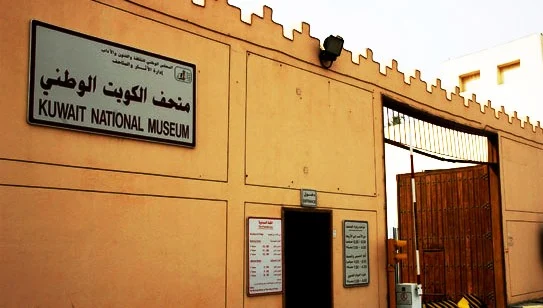
The Kuwait National Museum is located in Kuwait City, positioning it in an accessible urban context. The museum building itself is known as the former home of the founder of modern Kuwait, Sheikh Mubarak Al-Sabah. This historic mansion has been refurbished to suit its current role as a museum, blending historical architecture with modern exhibition needs.
This location offers a tangible connection to Kuwait’s ruling history and urban development. The museum grounds include outdoor spaces where traditional boats and larger artifacts reportedly are displayed, contributing to an experience that moves beyond enclosed galleries.
Being near the city center, the museum is surrounded by other points of interest, which can facilitate a well-rounded cultural visit. The proximity to central Kuwait City also means that the museum is situated within the contemporary life and commerce of the country, providing a contrast between the past preserved within and the evolving present outside.
Practical Information
Visitors planning to explore the Kuwait National Museum should consult the museum’s official website or contact relevant local authorities to verify current opening hours, ticketing arrangements, guided tours, and accessibility features. The museum is an active institution, but as with many cultural venues, operational details can change due to national holidays, maintenance, or public health considerations.
Given the nature of the collection and the building, some exhibitions or parts of the museum might be subject to restrictions, especially for those with limited mobility. Checking ahead can help ensure a more comfortable visit.
Photography rules, group visit policies, and on-site facilities like signage and interpretation can vary. Prospective visitors might find it useful to prepare in advance by reviewing online resources or seeking local advice to align expectations with the museum’s offerings.
Why Visit
The Kuwait National Museum holds value for visitors keen on gaining insight into Kuwait’s multifaceted cultural heritage. It offers a rare window into the archaeological and ethnographic history of a region often overshadowed by its recent oil wealth and rapid modernization. For those interested in Gulf history, maritime traditions, or Islamic archaeology, the museum presents material evidence and narratives that help piece together the story of Kuwait’s development over millennia.
The museum can benefit those with a curiosity about the daily lives of previous generations in the Arabian Peninsula, especially through its focus on pearling and traditional crafts. This outlook contrasts with institutions more specialized in contemporary art or modern history, giving a wider historical dimension to Kuwait’s past.
However, visitors should approach the museum with the understanding that it may not offer large-scale or fully exhaustive displays typical of some international national museums. The scope and size of the collection reflect the challenges that many national museums in smaller countries face, balancing preservation with limited resources and regional circumstances.
It remains a valuable educational site within Kuwait and for visitors seeking to complement tours of the Gulf region. The combination of archaeology, cultural heritage, and historical architecture means the museum can enrich understanding of Kuwait beyond headlines and generalizations.
In summary, the Kuwait National Museum provides a grounded cultural experience focused on Kuwaiti history and tradition. It will appeal to visitors with an interest in archaeology, local history, and ethnographic museum formats. While poised as an institutional guardian of the nation’s past, it also offers insights that connect Kuwait to wider Arabian and global histories in tangible ways.
Readers planning a visit should check the museum’s official website to confirm current details on admissions, accessibility, and available services to tailor their experience accordingly.