Inhotim
Brumadinho, Brazil. Inhotim is an extensive contemporary art museum and botanical garden located in Brumadinho, Brazil. It stands out owing to its unique combination of art, nature, and architecture, offering a spacious open-air setting that differs…
Best forMuseum lovers, culture travelers, first-time visitors
Setting / nearbyBrumadinho, Brazil
Overview
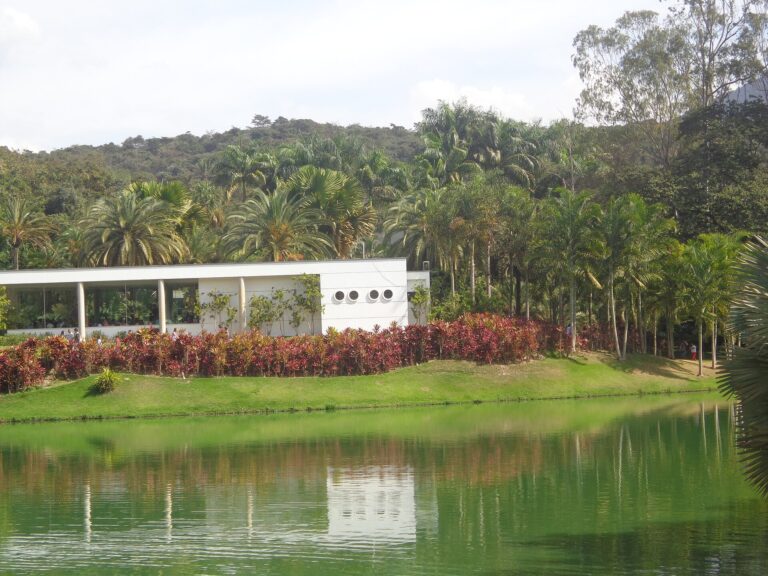
Inhotim is an extensive contemporary art museum and botanical garden located in Brumadinho, Brazil. It stands out owing to its unique combination of art, nature, and architecture, offering a spacious open-air setting that differs from the conventional museum experience. Rather than focusing solely on interior gallery spaces, Inhotim spreads over a vast park covering several hundred hectares. It presents a rare example of an art museum operating within a living landscape, one that aims to intertwine artistic practice with natural and environmental considerations.
The museum was originally conceived as a private collection but developed into a public institution, making contemporary art accessible in a rural context far from Brazil’s major urban centers. Its establishment in this particular part of Minas Gerais is significant, reflecting the region’s mineral heritage and evolving cultural landscape. Although Inhotim is recognized mainly for contemporary visual art, it is equally a botanical garden preserving important and diverse plant species, some of which are threatened in their natural habitats.
Collection Highlights
Inhotim’s art collection centers on contemporary works that often engage the environment directly or challenge the visitor’s experience through scale, material, or interactive elements. Many pieces in the collection are large-scale installations or site-specific works designed to respond to the surrounding landscape. This emphasis on installations sets the museum apart from more traditional venues dominated by paintings or sculptures in enclosed galleries.
Some artists represented here are internationally known figures in contemporary art, while others are lesser-known but whose works resonate closely with the museum’s environmental values or conceptual ambitions. The collection features diverse media, including sculpture, video, sound art, and architecture, which together form a complex dialogue between art and nature. The museum has commissioned new works for the site, meaning the collection continues to evolve with a focus on innovation and experimental approaches.
Among the botanical collection, visitors will find plant species from Brazil and other tropical regions, integrated deliberately with the artworks and pathways. This living component adds an additional layer to the museum experience, allowing visitors to observe ecological as well as cultural diversity. The combination of art and botany also makes Inhotim relevant for those interested in environmental conservation and sustainability, though it remains primarily an art museum rather than a scientific institution.
Building and Setting
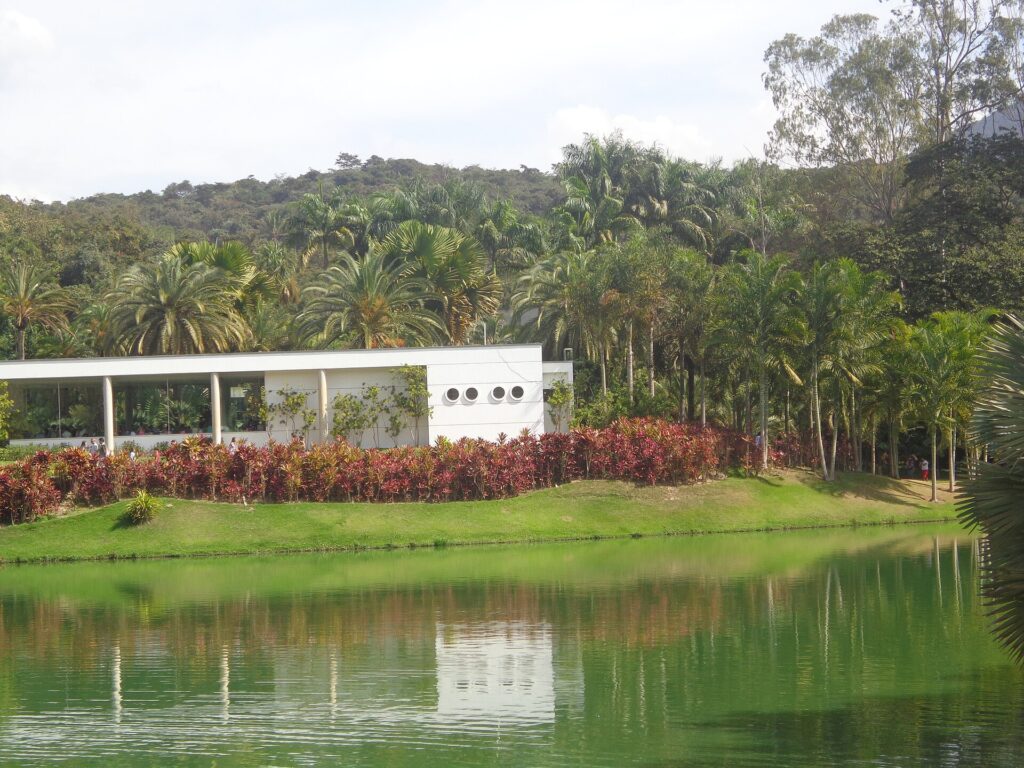
Unusually for an art museum, Inhotim is not housed in a single building but scattered across multiple pavilions and open-air contexts. These buildings are designed by different architects, reflecting a modernist and minimalist style that interacts subtly with the natural surroundings. The architecture supports the display goals of each artwork, providing controlled environments where needed, while also opening onto the outdoors in many cases.
The setting of the museum in the countryside outside Brumadinho means visiting involves navigating a large campus by foot or using a shuttle service. The landscape is rolling and green, with forests, lakes, and gardens offering a diverse outdoor environment. This rural location is remote relative to major Brazilian cities such as Belo Horizonte and São Paulo, so travel to the museum requires some planning. Some visitors may find the size and layout challenging without prior orientation, as artworks are spread out and walking distances can be considerable.
The botanical component of the campus is scientifically significant, covering a variety of ecological zones and featuring research initiatives tied to preservation efforts. The gardens and plantings are carefully curated to complement the artworks and provide an evolving natural context that changes with the seasons. Visitors interested in landscape design and plant biodiversity may find this aspect particularly rewarding alongside the art focus.
Practical Information
Since Inhotim operates on a large scale and in a rural area, practical details about visiting are important. Prospective visitors should check the official museum website for the latest information regarding hours of operation, ticketing, and any requirements for advance booking. Policies can change seasonally or due to local public health conditions, so official sources are the best place for accurate details.
Physical access requires preparation for walking outdoors in a tropical climate—good footwear, sun protection, and hydration are advisable. The museum offers internal transportation options, but these may vary, so confirming their availability before arrival is prudent. Given the dispersed layout, visit durations tend to be longer than at a typical gallery. Planning for several hours, at minimum, is recommended to appreciate both the art and botanical elements fully.
For visitors with mobility challenges, it may be worth consulting directly with the museum regarding accessibility options and pathways. While there is an effort to accommodate, the natural terrain and open grounds can present difficulties, depending on the specific needs. Inhotim also includes on-site facilities such as cafés and shops, though availability and opening times should be verified in advance.
Why Visit
Inhotim’s appeal lies in its distinctive combination of contemporary art and botany, presenting art outside traditional museum walls and in the midst of a living environment. The open-air setting offers a different way to engage with artworks—where light, weather, and landscape interact actively with the visitor’s experience. This may be particularly rewarding for visitors interested in contemporary installation art, environmental themes, or the relationship between culture and nature.
The museum does not present a narrowly focused historical narrative but rather a plural and experimental art collection that encourages personal interpretation. It serves well those who appreciate art that challenges conventional forms or whose meaning emerges through context and experience rather than direct representational content.
At the same time, Inhotim is not necessarily the most efficient choice for those seeking a quick or compact museum visit. The large campus and scattered layout demand time and physical effort, which may not suit all travelers. Additionally, the remote location requires logistical planning that some may find inconvenient.
Overall, Inhotim represents an important cultural endeavor in Brazil, combining contemporary art with ecological awareness in a way that few other institutions have attempted. It contributes to the diversification of the museum landscape by offering an experience where art and the natural world coexist as inseparable aspects of the visit. For those willing to invest time and effort, it offers a distinctive approach to appreciating how art can inhabit and respond to real-world environments.