Albertina Museum
The Albertina in Vienna, Austria, is one of Europe’s major museums for graphic art, works on paper, and carefully staged exhibitions, but it is.
Best forMasterpieces, architecture, cultural history
Setting / nearbyEurope
Overview
The Albertina Museum in Vienna is one of the city’s major art institutions and one of the most important museums in Europe for works on paper. Its identity rests on an unusual combination of strengths: a historic palace setting, Habsburg state rooms, a major program of temporary exhibitions, and a collection that spans drawings, prints, paintings, photography, architecture, and sculpture. That breadth gives the museum a distinctive position in Vienna, where it can appeal both to visitors looking for famous artworks and to those interested in the longer history of collecting and display.
What makes the Albertina especially compelling is that it is not only a museum of blockbuster exhibitions. It is also built around one of the world’s great graphic art collections. The museum traces its roots to 1776, when Duke Albert of Saxe-Teschen founded the collection, and the institution now holds over one million drawings and prints. That long history matters because it explains why the Albertina feels so substantial. It is not just a venue for changing shows, but a museum with deep holdings and a serious scholarly foundation.
For visitors in Vienna, the museum works particularly well because it bridges different kinds of museum experience. It has the grandeur of a historic palace, the accessibility of a major city museum, and the intellectual depth of a collection-based institution. This makes it attractive to several audiences at once. Art lovers can focus on the permanent strengths of the museum, while general travelers often appreciate the combination of architecture, state rooms, and major temporary exhibitions. It is a museum that feels central to Vienna’s cultural identity without becoming narrow or overly ceremonial.
Collection Highlights
The best-known strength of the Albertina is its graphic art collection. The collection contains over one million drawings and prints and offers a survey of around 600 years of art history, from the late Gothic to the present. This gives the museum a very particular distinction. While many famous museums are built mainly around painting, the Albertina is one of the places where drawing and printmaking stand at the center of the institution’s identity rather than at the margins.
The range of artists represented is another major highlight. The museum’s collection includes names such as Dürer, Michelangelo, Raphael, Rembrandt, Rubens, Klimt, Schiele, Picasso, Richter, and Lassnig. That breadth means the Albertina is not limited to one period or school. Instead, it presents works on paper as a central thread running across centuries of European art history and into the modern era. For visitors, this creates a collection that feels both historically deep and visually varied.
The Albertina is also known for its exhibition program. Shows can range from Monet to Picasso, photography, architecture, contemporary art, and special displays in the Habsburg state rooms. That exhibition strength is important because it makes the museum feel active rather than static. A visit is not only about the permanent collection, but also about how the museum continues to reinterpret art history through changing presentations and thematic exhibitions.
Another strength lies in the museum’s wider collections beyond drawings and prints. The museum also holds paintings, sculpture, photography, architecture, and the Habsburg state rooms. This gives the Albertina a broader appeal than its reputation as a graphic art museum might initially suggest. It can function as a specialist museum for works on paper, but it also works as a broader art destination with enough range to hold the attention of visitors who want more than one kind of visual experience.
Building and Setting
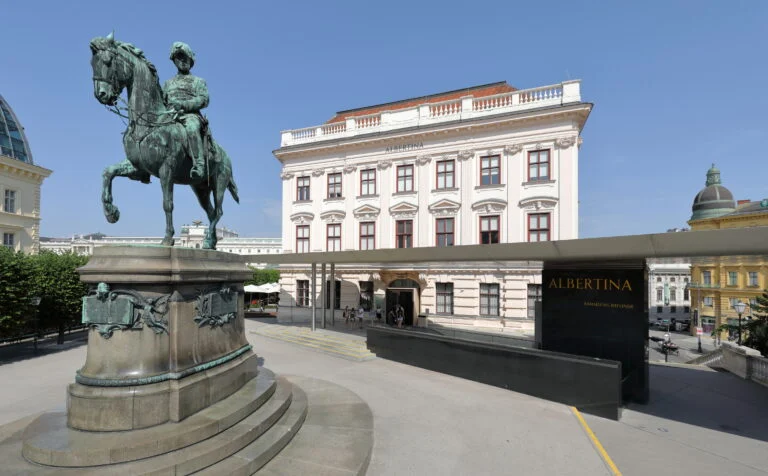
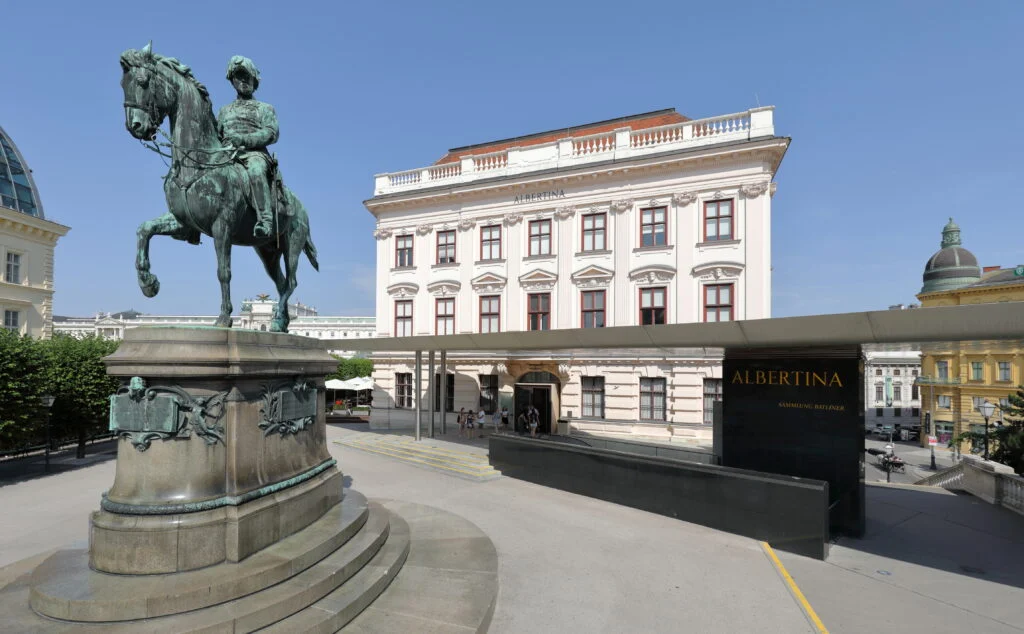
The setting of the Albertina is one of its greatest assets. The museum occupies a historic palace in central Vienna, and the state rooms from the Habsburg era remain part of the experience. This gives the visit an atmosphere that differs from a purely modern gallery. Art is encountered not only in neutral museum spaces, but also in rooms that reflect courtly and dynastic history. That combination of palace and museum adds a layer of historical richness that many art museums do not have.
Its central Vienna location also strengthens the museum’s appeal. The museum stands within easy reach of the city’s major historic and cultural areas. This makes the Albertina a natural stop for visitors exploring central Vienna, but it also means the museum feels woven into the urban life of the city rather than standing apart from it. That kind of setting matters, because it helps make the museum feel like part of Vienna’s everyday cultural landscape as well as one of its major attractions.
The contrast between palace interiors and changing exhibitions is also part of the museum’s identity. Visitors move between spaces shaped by Habsburg history and exhibitions that can range from Old Master drawings to modern and contemporary art. That contrast makes the Albertina especially rewarding. It is a museum where the building itself contributes to the visit, but without overshadowing the collections. Instead, architecture and art reinforce one another.
Practical Information
The Albertina Museum is best visited with enough time to appreciate both the collection and the setting. A shorter visit can focus on a current major exhibition or the state rooms, while a longer visit is better for those who want to spend time with the graphic art collection and the wider holdings. The museum is especially rewarding for visitors interested in drawing, printmaking, and the history of collecting, but it is also accessible to general travelers because of its central location and broad exhibition program.
Because the museum combines permanent holdings with changing exhibitions, each visit can feel slightly different depending on what is on view. That makes it useful both for first-time visitors and for returning museumgoers. It is sensible to check the latest official opening hours, tickets, and exhibition schedule before visiting, especially if you want to time your visit around a specific show.
Why Visit
The Albertina Museum is worth visiting because it offers something unusually complete: one of the great graphic art collections in Europe, an active and varied exhibition program, and a historic palace setting in the center of Vienna. Few museums combine these qualities so successfully. It is not only a place to see major art, but also a place to understand how drawing, printmaking, collecting, and courtly history intersect in one institution.
For some visitors, the main attraction will be the permanent collection of drawings and prints. For others, it will be a temporary exhibition or the experience of moving through the Habsburg state rooms. The museum’s real strength is that all of these elements support one another. That is why the Albertina remains one of Vienna’s most rewarding museum visits and one of the clearest choices for anyone wanting an art museum that combines depth, beauty, and historical atmosphere.