Albertina Review
Intro The Albertina in Vienna is one of the most successful museums in Europe at turning a potentially specialized collection into a broad and genuinely.
Intro The Albertina in Vienna is one of the most successful museums in Europe at turning a potentially specialized collection into a broad and genuinely.
Best forMasterpieces, architecture, cultural history
Review focusCollection highlights, building, visitor flow
Historical Context
The Albertina Museum in Vienna is one of Austria’s most distinguished cultural institutions, known especially for its extensive collection of graphic art. Its origins date back to the late 18th century, when Duke Albert of Saxe-Teschen began assembling a collection of drawings and prints that would grow into one of the most important of its kind in the world.
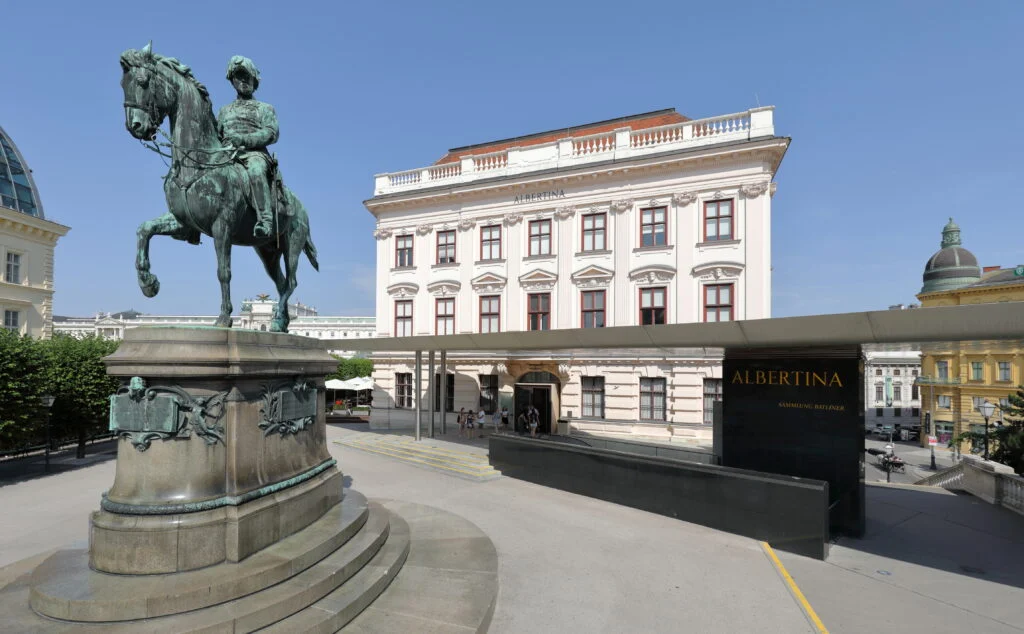
Housed in a historic palace located on the southern edge of Vienna’s Hofburg complex, the museum reflects both aristocratic heritage and intellectual ambition. The building itself has served multiple roles over time, including as a residence for members of the Habsburg family, before being transformed into a public museum.
Throughout the 19th and 20th centuries, the Albertina expanded its holdings significantly, incorporating works from major European artists and periods. Today, the museum’s collection spans from the Renaissance to contemporary art, with particular strength in works on paper.
The Albertina has also undergone extensive renovations in recent decades, combining its historic interiors with modern exhibition spaces, allowing it to present both classical and contemporary works in a cohesive setting.
What You See on Arrival
Approaching the Albertina, visitors are immediately aware of its elevated position above the surrounding streets. The entrance is marked by a prominent ramp and a series of modern design elements that contrast with the historic palace structure behind it.
Inside, the museum reveals a combination of restored imperial rooms and contemporary gallery spaces. The State Rooms, in particular, offer an insight into the building’s past as a royal residence, with ornate decoration, period furnishings, and carefully preserved interiors.
Moving beyond these spaces, the galleries shift toward a more modern presentation, with clean lines and neutral tones that place the focus on the artworks.
The overall layout is intuitive, guiding visitors through different sections without confusion. The transition between historic and modern spaces is handled smoothly, creating a balanced and varied experience.
Highlights and Key Exhibitions
The Albertina’s collection is best known for its works on paper, including drawings, prints, and watercolors. It holds an exceptional range of pieces by artists such as Leonardo da Vinci, Michelangelo, Albrecht Dürer, and Raphael.
These works provide a unique insight into artistic processes, revealing sketches, studies, and preparatory drawings that are rarely seen in other contexts.
In addition to its graphic collection, the museum also features a strong selection of modern and contemporary art. Paintings by artists such as Monet, Picasso, and Klimt contribute to a broader overview of artistic development.
Temporary exhibitions play a significant role in the Albertina’s programming, often focusing on specific artists, movements, or themes. These exhibitions add variety and encourage repeat visits.
The combination of historical depth and contemporary relevance is one of the museum’s defining strengths.
Visitor Experience
The visitor experience at the Albertina is structured yet flexible. The museum accommodates both focused visits and more comprehensive explorations, depending on the visitor’s interests.
Signage is clear, and exhibition texts provide helpful context without being overly detailed. The atmosphere is generally calm, though certain exhibitions may attract larger numbers of visitors.
The mix of different types of spaces—historic rooms, modern galleries, and temporary exhibition areas—keeps the experience varied and engaging.
Because many works on paper are sensitive to light, some galleries are dimly lit, which may affect the viewing experience for certain visitors. However, this is balanced by well-designed displays that ensure visibility.
Seating areas and rest points are available throughout the museum, supporting longer visits.
Tickets, Access, and Planning
The Albertina operates with a standard ticketing system, with admission fees for adults and reduced rates for students and other groups. Tickets can be purchased on-site or online.
The museum’s central location in Vienna makes it easily accessible by public transportation, including metro, tram, and bus routes. It is also within walking distance of many of the city’s प्रमुख landmarks.
Opening hours are generally consistent but may vary depending on the day or special exhibitions, so it is advisable to check official information in advance.
Visitors should plan to spend at least a few hours at the museum, with additional time recommended for those interested in both the permanent collection and temporary exhibitions.
Facilities include a café, shop, and cloakroom, contributing to a comfortable and well-supported visit.
Final Verdict
The Albertina offers a refined and comprehensive art experience, combining historical depth with modern presentation.
Who should visit? It is particularly well-suited to visitors interested in drawing, printmaking, and the broader development of European art.
Why visit? Because it provides access to one of the world’s most important collections of works on paper, set within a historically significant and carefully restored building.
For those visiting Vienna, the Albertina represents a key cultural destination and a valuable complement to the city’s other major museums.