Kunsthistorisches Museum
Kunsthistorisches Museum is Vienna’s grand statement of imperial collecting: a museum that feels like a palace and houses the kind of.
Best forMasterpieces, architecture, cultural history
Setting / nearbyEurope
Overview
The Kunsthistorisches Museum in Vienna is one of Europe’s great art museums and one of the defining cultural institutions of the Austrian capital. For many visitors, it represents the museum experience in its grandest classical form: a monumental building, richly decorated galleries, and collections of exceptional quality built through centuries of dynastic collecting. It is not simply a place to see famous paintings. It is a museum that presents the visual culture of power, patronage, scholarship, and artistic ambition on a truly major scale.
What makes the Kunsthistorisches Museum especially impressive is the breadth and depth of its holdings. It is widely associated with Old Masters, and rightly so, but the museum’s significance extends beyond painting alone. It is a place where European art, antiquities, decorative objects, and courtly collecting traditions come together in a way that gives the visitor a broader understanding of how great museum collections were formed. A visit here is therefore not only about individual masterpieces, however extraordinary they may be. It is also about the structure of a major imperial collection and the world that produced it.
The museum works particularly well because it combines scale with seriousness. Some large art museums can feel overwhelming or uneven, but the Kunsthistorisches Museum has the advantage of coherence. The building, the collections, and the atmosphere all support one another. Visitors are aware from the start that this is a museum shaped by the Habsburg court and by Vienna’s long role as a center of European culture. That historical background gives the whole institution added weight.
For travelers in Vienna, the museum is often one of the essential stops in the city. It appeals to dedicated art lovers, but it is not only for specialists. Even visitors with a more general interest in culture are likely to be struck by the quality of the galleries, the richness of the displays, and the overall sense of grandeur. It is the kind of museum that can anchor an entire day of sightseeing and still leave visitors feeling that there was more to see.
Collection Highlights
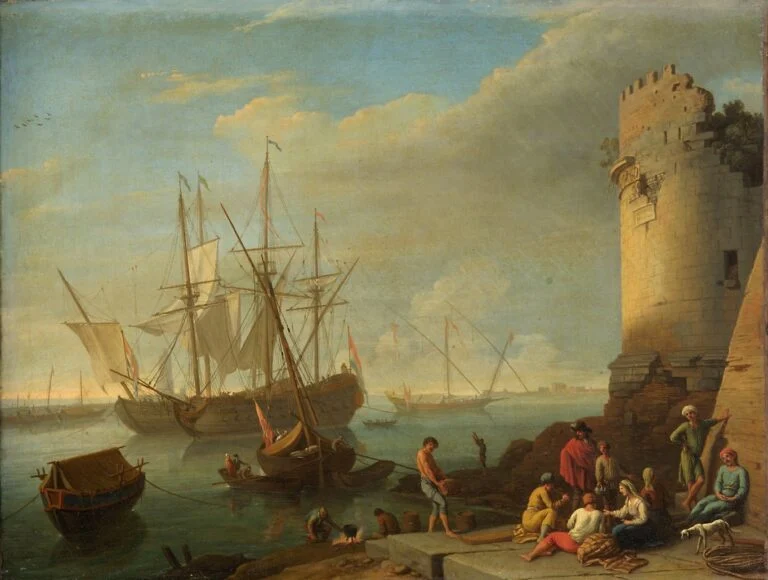
The painting collection is the main draw for many visitors, and it more than justifies the museum’s reputation. The Kunsthistorisches Museum is especially strong in Old Master painting, with works associated with artists such as Bruegel, Titian, Rubens, Velázquez, Caravaggio, Vermeer, and Raphael. What makes these galleries so rewarding is not simply the fame of certain names, but the consistency of quality across the rooms. This is not a museum with a handful of highlights surrounded by secondary material. It is a collection with real depth, where major works appear again and again across different schools and periods.
The Bruegel holdings are among the most celebrated parts of the museum. Paintings by Pieter Bruegel the Elder give the institution a particular distinction and are often among the most memorable works visitors encounter. These paintings combine landscape, observation, moral complexity, and extraordinary compositional intelligence, and they reward slow looking. In a museum full of remarkable material, they still stand out. For many visitors, they are among the clearest reasons the museum is regarded as one of Europe’s great picture collections.
The museum’s strengths, however, go well beyond painting. Decorative arts and Kunstkammer material provide another major layer of interest. Courtly objects, carved ivories, precious vessels, intricate metalwork, and objects of display and curiosity reveal the collecting culture from which the museum emerged. These displays are important because they broaden the story. They show that great dynastic collections were never only about framed paintings on walls. They were also about rare materials, craftsmanship, global exchange, ceremonial display, and the pleasure of collecting extraordinary things.
The classical antiquities and Egyptian material add yet another dimension. A visitor moving through the museum is not confined to one narrow artistic period or one artistic language. Instead, the collection suggests continuity between different eras of collecting and different ways of understanding art and history. This variety can make the museum feel especially rich. A visitor might spend one part of the day with Renaissance and Baroque painting and another with ancient sculpture, decorative arts, or archaeological material, all within the same institution.
Another great strength of the museum is that it allows visitors to experience masterpieces in a setting that still feels tied to historical collecting rather than purely modern display. This atmosphere can change the experience of looking. Paintings and objects are not isolated in neutral emptiness. They are part of a larger museum world that reflects the ceremonial and cultural ambitions of the institution itself.
Building and Setting
The building of the Kunsthistorisches Museum is one of the great museum interiors of Europe. Even before reaching the collections, visitors are confronted with architecture that announces the museum’s status. The grand staircases, domed spaces, marble surfaces, decorative programs, and monumental layout all make clear that this is an institution designed not merely to house art, but to stage it. The building contributes enormously to the experience, and in some ways it is one of the museum’s masterpieces in its own right.
This kind of architectural richness matters because it shapes how the collections are perceived. In a highly ornate historic building, art is encountered in a context of ceremony, hierarchy, and visual splendor. That feels particularly appropriate here, because so much of the collection emerged from imperial patronage and dynastic accumulation. The architecture helps visitors understand that the museum is not separate from that history. It is part of the same cultural world.
The museum’s location on Vienna’s Ringstrasse also adds to its significance. This is one of the city’s great monumental zones, and the museum stands within a larger urban setting that reflects nineteenth-century imperial ambition. The area itself prepares the visitor for grandeur. By the time one enters the museum, there is already a sense of having arrived at one of Vienna’s major civic and cultural spaces. That external setting reinforces the museum’s identity as a landmark institution, not just a gallery to pass through.
Inside, the galleries balance scale and concentration remarkably well. The rooms are impressive, but they still allow careful looking. This is important in a museum with so many major works, because visitors need both the sense of abundance and the opportunity to focus. The Kunsthistorisches Museum manages this balance better than many institutions of comparable fame. It feels grand without becoming chaotic, and opulent without losing seriousness.
The setting also encourages repeat visits. Because the building itself is such an essential part of the experience, even returning to the same galleries can feel rewarding. The museum is not just a checklist destination for famous paintings. It is a place where architecture, atmosphere, and collection strength continue to enrich one another.
Practical Information
The Kunsthistorisches Museum is best visited with a generous amount of time. This is not a museum that rewards rushing. Even visitors who arrive mainly to see a few major paintings often find themselves drawn into other sections of the collection or slowed by the atmosphere of the building itself. A short visit can still be worthwhile, but the museum is far better experienced at a steady pace, with time to move between the major galleries and pause in front of individual works.
It is especially valuable for visitors with interests in Old Masters, dynastic collections, decorative arts, and European museum culture more broadly. At the same time, it is also approachable for general travelers because the quality of the experience is immediately visible. One does not need specialist knowledge to appreciate the scale of the building, the richness of the galleries, or the strength of the collection. The museum works on multiple levels, which is one reason it remains such an important destination.
Because of its scale, it can help to decide in advance whether to focus mainly on paintings or to include time for the decorative and antiquities sections as well. Visitors with limited time may want to prioritize the Old Master galleries, while those with a deeper interest in courtly collecting will benefit from exploring more broadly. Either approach can work, but the museum is strong enough to support more than one visit.
As with any major museum, it is sensible to check the official visitor information before going for current opening hours, admission details, and any temporary exhibitions or special arrangements. Large institutions can change gallery access or ticketing practices, and it is always best to confirm practical details before visiting.
Why Visit
The Kunsthistorisches Museum is worth visiting because it offers one of the fullest and most impressive museum experiences in Europe. It combines a world-class collection, a monumental historic building, and a strong sense of cultural continuity. Few museums manage all three at such a high level. This makes it more than a place to see famous works. It is a place to experience how art, architecture, and collecting traditions can come together in a coherent and unforgettable way.
It is also one of the best places in Vienna to understand the scale of Habsburg cultural ambition. The museum reflects a world in which collecting was tied to prestige, scholarship, empire, and representation. That historical background gives the visit an added richness. The works are extraordinary in themselves, but they are also part of a larger story about power, taste, and the making of public culture.
For some visitors, the main appeal will be the Old Master paintings. For others, it will be the building or the broader imperial atmosphere. The museum’s real strength is that it does not depend on only one of these elements. Each supports the others. That is why the Kunsthistorisches Museum remains so rewarding even in a continent full of major art museums.
If you want a Vienna museum that offers beauty, scale, seriousness, and lasting depth, the Kunsthistorisches Museum is one of the clearest choices. It is not only one of the city’s essential museums, but one of the great museum visits in Europe.