The Museu Nacional d’Art de Catalunya (MNAC)
About: Romanesque frescoes are standout. Pair with an evening walk down the fountains/steps.What to see: Start with the signature galleries, then choose.
Best forMasterpieces, architecture, cultural history
Setting / nearbyEurope
Overview
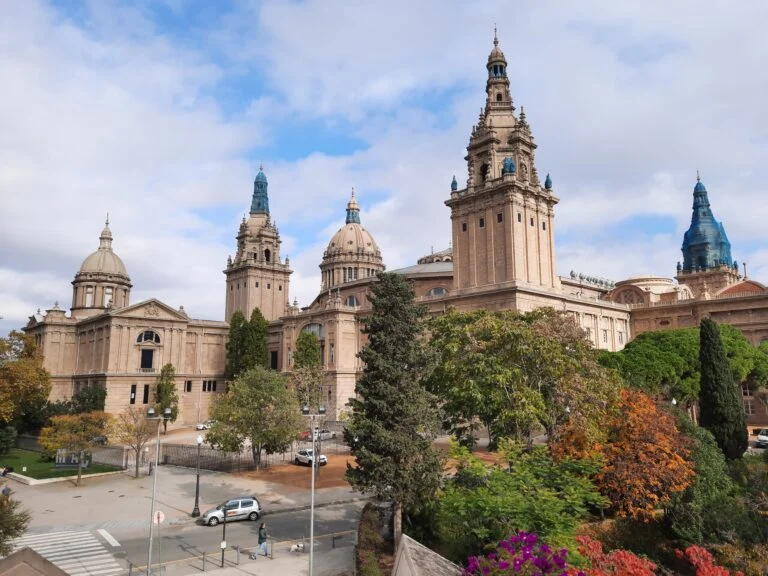
The Museu Nacional d’Art de Catalunya (MNAC) is one of the most important art museums in Spain and one of the most rewarding museums in Europe for visitors who want to understand Catalan art within a wider historical tradition. Housed in the Palau Nacional on Montjuïc, it combines a major national collection with one of the most dramatic museum settings in Barcelona. For many visitors, the museum is best known for its Romanesque frescoes, and that reputation is fully deserved. Yet MNAC is much more than a single famous department. It is a museum that moves across centuries of art, from medieval religious imagery to Gothic works, Renaissance and Baroque painting, and later modern Catalan material, all within a building that gives the visit unusual scale and ceremony.
What makes MNAC especially rewarding is that it has a strong identity without feeling narrow. Some museums are memorable because of one great masterpiece or one celebrated room. MNAC is stronger than that. It is a museum of depth, especially in relation to Catalonia and the visual culture of the region, but it also has enough range that the visit feels broad rather than provincial. That matters because it allows visitors to see Catalan art not as a side tradition, but as something rich, distinctive, and fully part of European art history.
The museum is also particularly effective because it combines collection and place so well. The building’s commanding position on Montjuïc, the grand approach, and the views over Barcelona all contribute to a sense that the visit is larger than a sequence of galleries. This is one of the reasons MNAC often stays in the memory so strongly. The museum experience does not end when you leave the rooms. It continues through the terraces, the broad stairways, and the descent toward the city. That relationship between art, architecture, and urban setting gives MNAC a stronger atmosphere than many equally serious museums.
Another of the museum’s major strengths is that it can appeal both to first-time visitors and to more experienced museum-goers. For first-time visitors to Barcelona, it offers a clear and substantial cultural stop that is different from the city’s better-known modernist and Gaudí-focused attractions. For more experienced art lovers, it offers one of Europe’s richest collections of medieval and especially Romanesque art. This dual appeal is not easy to achieve, but MNAC handles it well. It is serious without being forbidding, and broad enough to reward long visits without feeling shapeless.
Collection Highlights
The Romanesque frescoes are the museum’s great defining strength and the clearest reason MNAC occupies such an important place in European museum culture. These works are extraordinary not only because of their age or rarity, but because of the way the museum presents them. Rather than showing fragments in a detached or purely archaeological manner, the galleries recreate something of the spatial and visual force these frescoes once had in their original church settings. This makes the experience much more powerful than simply seeing painted pieces on a wall. The Romanesque rooms are where the museum becomes truly distinctive.
What makes these frescoes so compelling is their combination of monumentality, directness, and spiritual intensity. They remind visitors that medieval art was not created to be admired in the same way as later easel painting. It was made to shape sacred space, ritual attention, and theological imagination. MNAC helps visitors feel that. This is one reason the Romanesque section can leave such a lasting impression even on people who do not normally think of themselves as especially drawn to medieval art. The museum makes the material legible and alive.
The Gothic collection is another major strength. These galleries widen the story and allow visitors to see how visual language changed after the Romanesque period. The increasing refinement of form, the more complex narrative detail, and the altered emotional tone of the works all help create a richer sense of continuity and change. These rooms are often overshadowed in reputation by the Romanesque section, but they are essential to the museum’s depth and should not be rushed.
Renaissance and Baroque works add another layer to the visit and help show that MNAC is not confined to the medieval world. These galleries may not be the first reason most visitors come, but they broaden the museum and keep it from being defined too narrowly. They also help place Catalan and Spanish traditions in relation to wider European developments, which makes the museum feel more connected and historically expansive.
The modern and later Catalan sections are also important, especially for visitors interested in Barcelona and Catalonia beyond the medieval period. These works help connect the museum to the broader artistic identity of the region and make clear that MNAC is not only a museum of distant sacred art, but a museum of a longer cultural history. This gives the collection a fuller national and regional shape.
Building and Setting
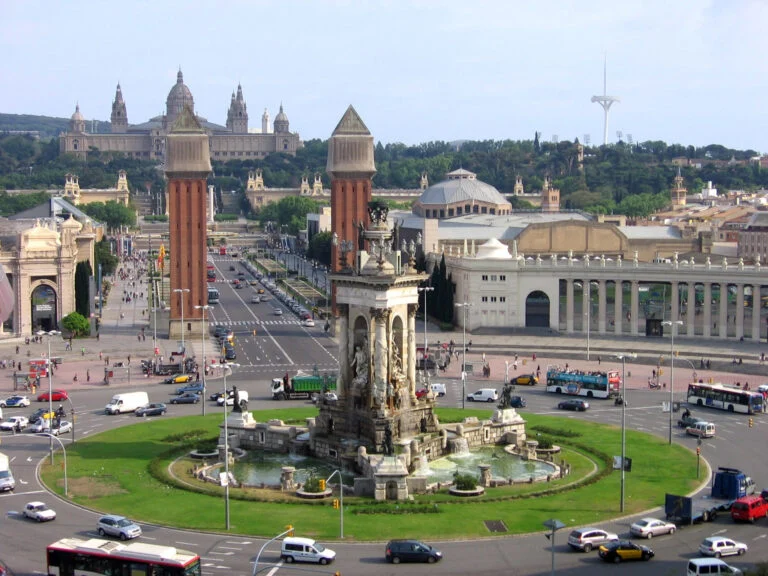
The building is one of MNAC’s major assets. Housed in the imposing Palau Nacional, the museum has a scale and civic grandeur that immediately mark it as one of Barcelona’s great institutions. The museum’s architecture does not feel intimate or understated; it feels ceremonial, which suits the depth and seriousness of the collection. Yet what keeps the building from becoming heavy is its openness to the city outside. Views, terraces, and the broader setting on Montjuïc mean that the museum never feels sealed off.
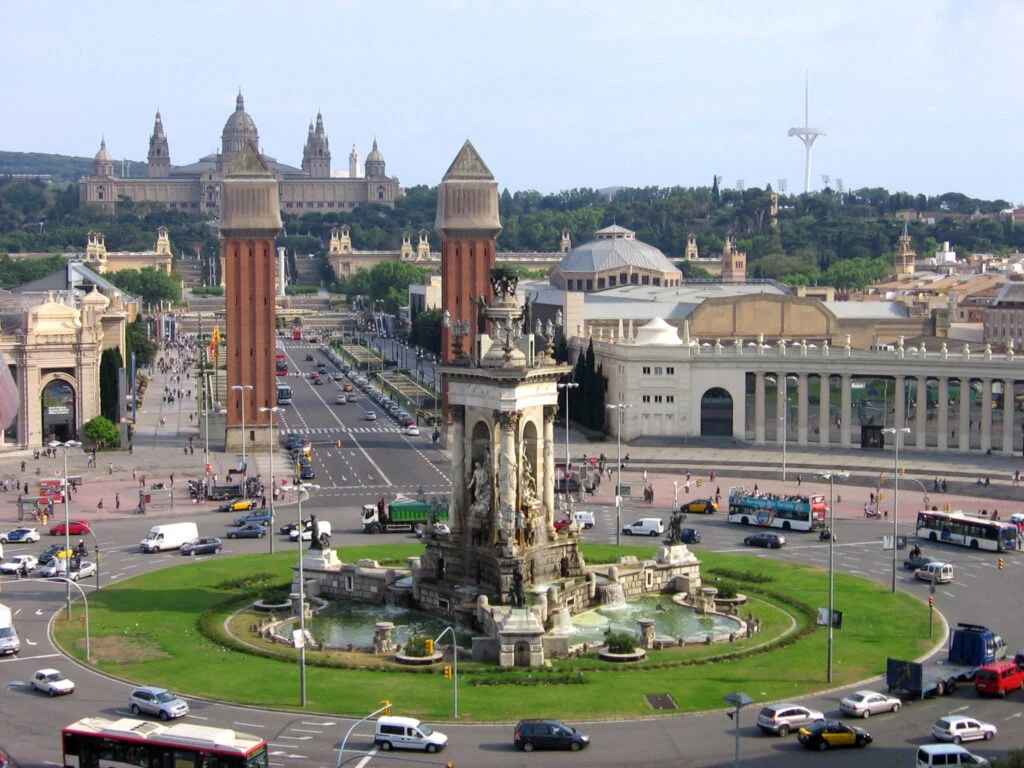
Its position above Barcelona is central to the experience. The approach through the fountains and steps is one of the most dramatic museum arrivals in the city, and the descent afterwards can feel almost as much a part of the visit as the galleries themselves. This is one reason pairing the museum with an evening walk down the fountains and steps works so well. The site has its own visual rhythm, and the museum benefits from being experienced as part of that larger sequence.
Inside, the museum’s large spaces suit the medieval material particularly well. The Romanesque frescoes in particular gain from rooms that allow them to retain something of their original scale and authority. The building gives the collection enough room to breathe, which is crucial in a museum where architectural fragments, fresco cycles, and altarpieces need space to work properly.
Practical Information
MNAC is best visited with some structure. A very effective approach is to begin with the Romanesque frescoes, since they are the museum’s most distinctive strength and the part of the collection least likely to be matched elsewhere. From there, moving into the Gothic galleries provides a strong chronological and visual progression. After that, visitors can decide whether to continue into the later historical sections or focus more selectively depending on time and energy.
This is not a museum to rush through. The Romanesque rooms alone deserve slow attention, and the broader collection is rich enough that visual fatigue can arrive sooner than expected. Breaks help, especially because the building and terraces provide opportunities to pause and reorient. That is one of MNAC’s advantages: the museum has natural breathing spaces built into the experience.
The museum also pairs very well with time outside. If possible, ending the visit with an evening walk down the fountains and steps creates a strong close to the day and makes the museum feel more fully integrated into its setting.
Why Visit
MNAC is best for art lovers, first-time visitors to Barcelona who want a major museum experience beyond the city’s modernist landmarks, and anyone interested in medieval art, Catalan culture, and museums with a strong sense of place. Its greatest strength is that it offers one of the finest Romanesque collections in Europe within a museum broad enough to remain rewarding well beyond that one department.
What makes it worth prioritising is the combination of collection, building, and setting. The Romanesque frescoes alone justify the visit, but the museum’s larger richness and the power of its location make it even more memorable. Few museums combine such a specific art-historical distinction with such a dramatic urban setting.
For many visitors, MNAC becomes one of the most satisfying cultural experiences in Barcelona because it offers something the city’s other major attractions often do not: depth, calm, historical range, and a sense of art belonging fully to place. That combination makes it one of Spain’s strongest museums and one of the essential museum visits in Barcelona.