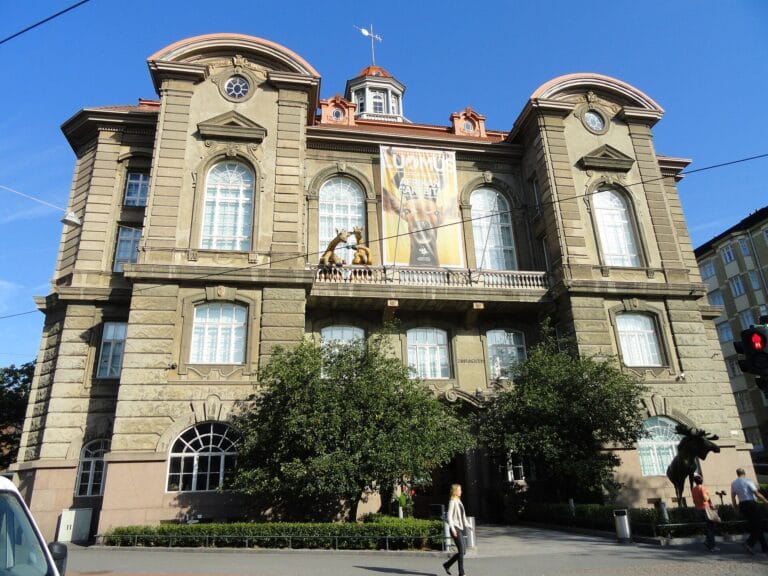
Finnish Museum of Natural History
Natural History Museums · Helsinki, Finland. The Finnish Museum of Natural History anchors itself in scientific research and public understanding of Finland’s natural environment, rather than serving as a broad cultural showpiece. Its core strength lies in collections grounded i…
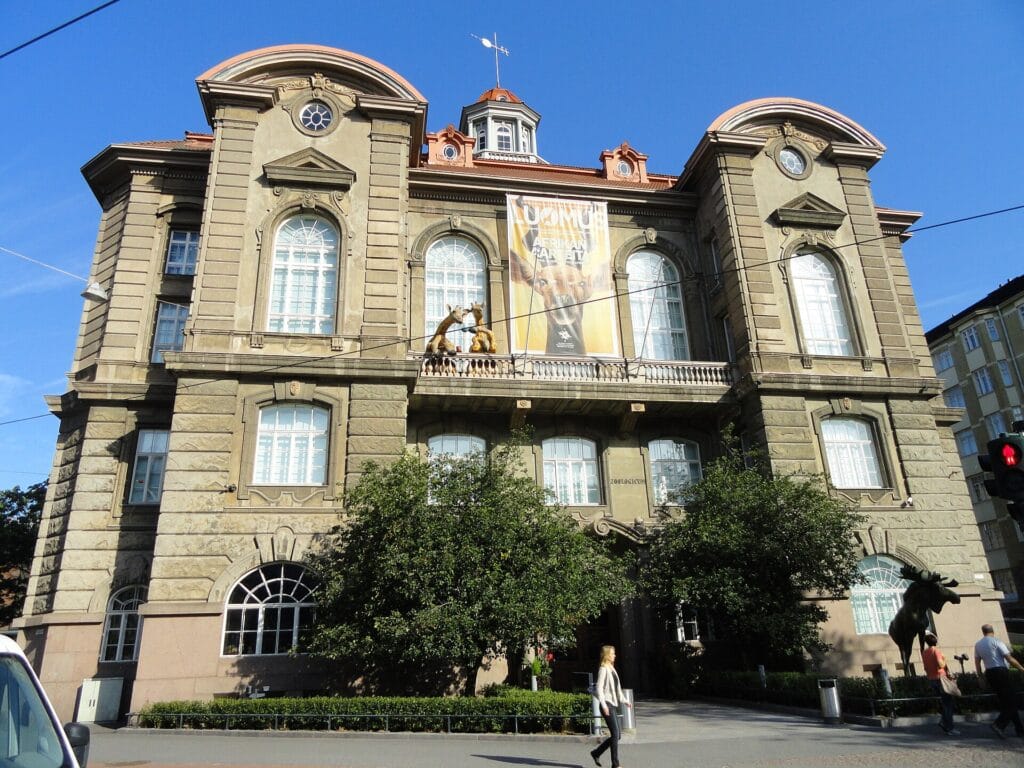
Best forFamilies, nature lovers, science travelers
Setting / nearbyHelsinki, Finland
A Scientific Lens on Finnish Biodiversity and Beyond
The Finnish Museum of Natural History anchors itself in scientific research and public understanding of Finland’s natural environment, rather than serving as a broad cultural showpiece. Its core strength lies in collections grounded in careful fieldwork and systematic study. Finnish flora and fauna dominate the narrative here, connecting the country’s current ecosystems with their geological and historical contexts. Visitors interested in Nordic landscapes, boreal forests, and the Arctic realm will find a concentration of materials illustrating the complexity of these habitats. This museum’s approach emphasizes nature as a dynamic phenomenon shaped by climate and human activity over time.
Botanical Gardens and Living Collections
One distinctive aspect is the Botanical Museum, which complements the indoor exhibits with a living collection maintained in the Kaisaniemi Botanical Garden nearby. This practical extension of the museum allows an exploration of plant species in actual growth cycles and seasonal changes. For those wanting to see Finnish plant life beyond preserved specimens, this makes a visit more than just a viewing experience. It’s an opportunity to connect the samples on display with living relatives outdoors. The garden also hosts special plants from around the world that survive the Finnish climate, showing botanical diversity in a local context.
Fossils and Ancient Environments
While the museum’s main focus is modern biodiversity, its paleontological collections shed light on Finland’s deep geological past. The display of fossils, including remnants from the Ice Age and earlier periods, anchors Finnish nature within the broader story of Earth’s evolving environment. Specimens such as ancient marine creatures and early plants reveal the ecological transformations that led to today’s landscape. This fossil section can satisfy anyone drawn to the intersection between geology and biology, providing concrete evidence of long-term natural change specific to the region.
Zoological Specimens Reflecting Regional Fauna
The zoology collections concentrate largely on animals native to Finland and the surrounding regions, including northern Europe and the Arctic. Taxidermied mammals, birds, and insects document the variety and adaptations of creatures surviving in demanding environments. The way displays arrange predator-prey relationships and habitat-specific groups offers insights into ecosystem balance. Some parts of the exhibition go beyond simply showing species, exploring behavioral methods like migration strategies or seasonal survival tactics, which enrich understanding of how animals thrive in the Nordic climate.
Scientific Research and Public Engagement
Unlike many natural history museums with a broad cultural or entertainment focus, this institution retains a clear role as a research entity. The collections aren’t just for display but serve ongoing scientific study. Visitors who appreciate learning from primary data and original specimens get to see material that is actively consulted by scholars. Educational programs and publications often spring directly from the holdings here. While the museum does exhibit material accessibly, there is less emphasis on interactive or theatrical elements found in some newer institutions aiming primarily at families or casual visitors.
Modern Museum Spaces and Visitor Flow
The museum complex includes both the main building in Helsinki and related research and storage spaces. The exhibition spaces are straightforward and lack large open-plan galleries typical of blockbuster museums. The rooms themselves emphasize clarity and specimen integrity over decorative impact. In practice, visitors can expect a calm environment that invites careful examination rather than rushed walkthroughs. Because the museum focuses on scientific collections, the visit suits those prepared for detailed presentations, often supplemented by clear explanatory texts.
Who Gains Most from a Visit
People with a focused interest in Nordic ecology, botany, zoology, or paleontology will find this museum especially rewarding. It provides materials relevant to understanding how Finland’s natural environment functions in detail. Visitors looking for visually spectacular displays or highly immersive multimedia experiences might find the museum’s style somewhat reserved. However, anyone wanting to connect northern landscapes and species with actual research collections, or to see how Finnish nature ties into broader scientific narratives, should consider this museum an informative stop in Helsinki.
Visitors should consult the official website before planning their visit for current information on opening times, admission, guided tours, accessibility, and services.