Danubiana Meulensteen Art Museum
Art Museums · Bratislava, Slovakia. Danubiana Meulensteen Art Museum sits on the banks of the Danube River just outside Bratislava, Slovakia. Unlike municipal or national art museums set in urban centers, this museum occupies a modern gallery building perched…
Best forArt lovers, visual culture, architecture
Setting / nearbyBratislava, Slovakia
Overview
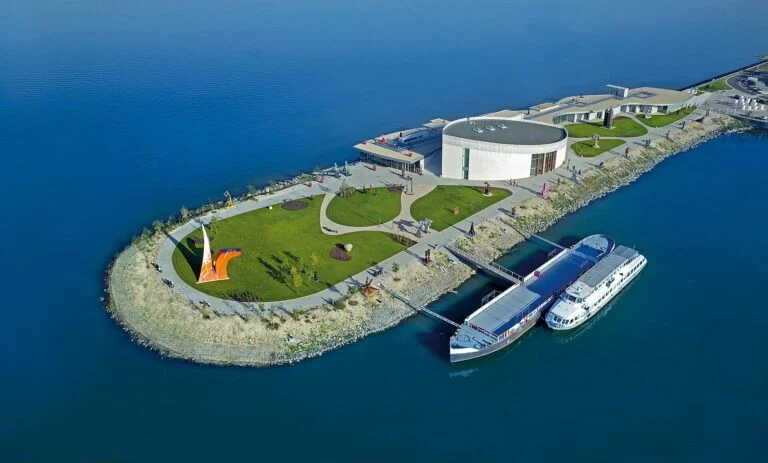
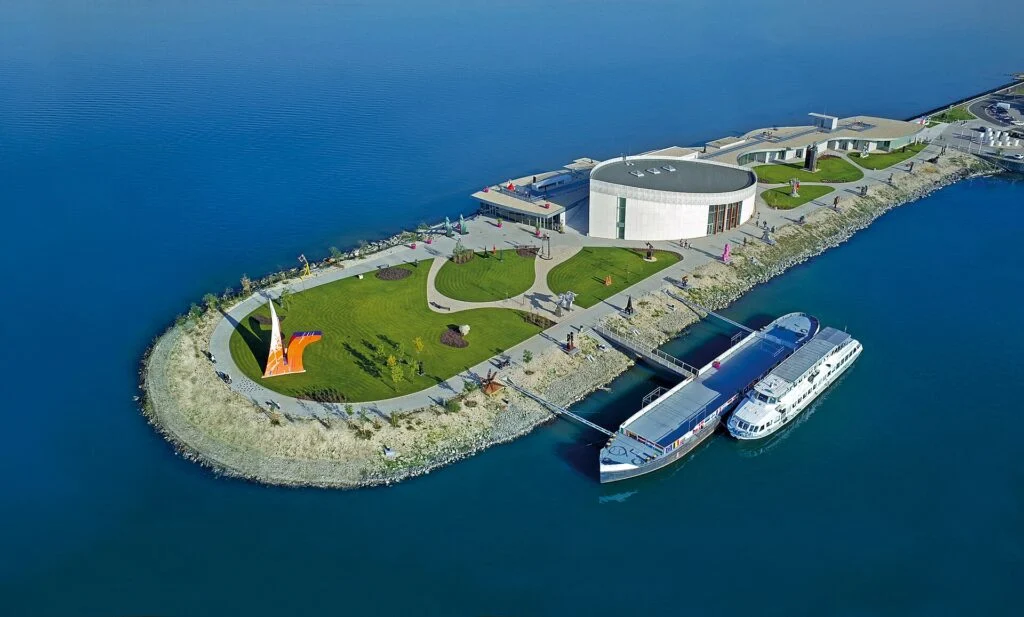
Danubiana Meulensteen Art Museum sits on the banks of the Danube River just outside Bratislava, Slovakia. Unlike municipal or national art museums set in urban centers, this museum occupies a modern gallery building perched on a peninsula, creating a distinctive environment where art and the river meet. Its focus is contemporary art, primarily works from the late 20th century and into the 21st, representing both regional and international artists. The museum’s location across the river from Bratislava’s main urban area sets it apart visually and experientially; visitors typically reach it by crossing the Old Bridge or using boat transport. The setting underscores a relationship between reflection and openness, encouraging engagement with modern art away from the city bustle. The founding group and remaining collection bear the name of Meulensteen, a Dutch collector who contributed significantly to its growth, signaling the museum’s international connections.
Collection Highlights
The Danubiana’s collection centers on contemporary art from Central Europe and beyond, with works covering painting, sculpture, installation, and video art. While the museum includes a variety of international artists, it places a significant emphasis on artists from Slovakia, the Czech Republic, Hungary, and broader post-Communist countries, which frames the art in important historical and cultural contexts. Visitors will encounter pieces by contemporary painters, including some grappling with identity, politics, and memory in the post-1989 era.
Sculpture plays a strong role, partly due to the museum’s spacious galleries and outdoor sculpture garden. These three-dimensional works interact with the surrounding river landscape, making the sculpture collection integral to the museum’s presentation. The sculpture garden features large-scale contemporary works, though exact artist names are not routinely listed in broad descriptions. Within the galleries, pieces range from minimalism to conceptual projects involving mixed media.
Video art and installations are also part of the program, though exhibited with fewer pieces compared to painting and sculpture. The museum occasionally hosts temporary exhibitions that complement and expand the permanent collection, usually with a contemporary angle.
While Danubiana does not focus heavily on historical art, it occasionally includes 20th-century modernism to provide context for contemporary works. The collection reflects an interest in changing cultural identities in Europe. This focus makes it a place where visitors can trace some of the artistic responses to recent political upheavals in the region through a variety of artistic forms.
Building and Setting
The museum building is modern and purpose-built, designed to accommodate the display of large contemporary artworks and installations. It is situated on a peninsula formed by the Danube, which remains an active waterway with passing ships and changing light conditions playing a visible role in the museum’s setting. This location outside the central city means the building itself and the access to it are part of the visit.
The architectural style is minimalist and functional, with large windows that showcase the river view from inside. Some galleries open directly onto outdoor areas where sculpture and site-specific works are arranged on terraces and grassy sections. The structure does not appear to reuse an older industrial or institutional building but rather embraces modern aesthetics that fit the water’s edge.
Its location in the borough of Čunovo places the museum close to nature reserves and the river’s natural floodplain, which can influence the visitor experience depending on season and weather. Being somewhat separated from public transport hubs in central Bratislava means that planning the journey here requires some attention.
Practical Information
For up-to-date details on opening hours, admission fees, accessibility options, guided tours, audio guides, or any special programming, it is best to consult the official website before planning a visit. The museum is a short drive or boat ride from Bratislava’s center, although public transport connections may not be frequent. Checking schedules and travel options in advance is advisable.
The Danubiana is located at Čunovo 12, Bratislava, Slovakia. Whether arriving by car, taxi, or boat, visitors should allow extra time for the scenic but less centrally located site. There is no widely published information on extensive visitor amenities like cafés or shops, so those needs might best be addressed in town before or after the visit.
Why Visit
Danubiana Meulensteen Art Museum holds a particular appeal for anyone interested in contemporary art from Central and Eastern Europe, especially in the context of the cultural shifts after the fall of communism. Its riverside location rewards those who want an art experience outside an urban museum setting, where the natural environment connects directly to the displayed works.
The museum’s strength lies in its clarity of focus: contemporary regional and international art presented with room for sculpture and installations that benefit from outdoor spaces. For those who prefer concentrated collections rather than encyclopedic surveys, Danubiana offers a chance to see art that reflects recent history and society, especially within a physically unusual and calm location.
The main limitation to consider is its position outside Bratislava’s central area, which may require more effort for visitors primarily interested in quick access or urban museum hopping. Also, while the collection covers a meaningful range of work from the post-1989 era onward, those searching for older historical art or extensive international contemporary art might find the scope somewhat narrow.
Still, if you appreciate modern art that engages with social and cultural issues characteristic of Central Europe, and if a waterside location appeals, Danubiana presents a clear alternative to city-center museums. Its openness to sculpture and installations offers a balanced experience that goes beyond the typical indoor painting gallery. Visitors and art enthusiasts attuned to the contemporary art discourse in this part of Europe will find value in the museum’s selectiveness and setting.