Museum of Applied Arts Vienna
Art Museums · Vienna, Austria. The Museum of Applied Arts Vienna, known locally as MAK, stands out for its focus on the design, craft, and applied arts that connect art with everyday life. It brings together works where artistic…
Best forArt lovers, visual culture, architecture
Setting / nearbyVienna, Austria
Overview
The Museum of Applied Arts Vienna, known locally as MAK, stands out for its focus on the design, craft, and applied arts that connect art with everyday life. It brings together works where artistic creativity meets practical function, tracing developments from historical craftsmanship to contemporary design and architecture. This emphasis on the applied arts sets it apart from fine art museums, offering a different perspective on artistic production through objects intended for use, decoration, or design innovation. Located in Vienna, a city with a long tradition in art and design, the museum explores how artistic techniques and industrial design have shaped visual culture and material surroundings.
Collection Highlights
The MAK’s collections cover a broad range of decorative and design arts, including furniture, textiles, glass, ceramics, metalwork, and graphic arts from various periods. The museum holds significant examples of Viennese Secession style, featuring artists and designers who were part of this influential movement around the turn of the 20th century. Furniture pieces by Josef Hoffmann and Dagobert Peche are part of this group, illustrating the shift toward modernism and functional aesthetics.
In addition to early 20th-century design, the MAK displays extensive holdings from the Arts and Crafts movement and Art Nouveau, as well as works spanning from the Middle Ages to the present day. Ceramics and porcelain collections showcase both historic European and Asian influences, reflecting the global exchange of materials and styles. Textiles in the collection range from embroidery to contemporary fabric design, highlighting technical skill and artistic innovation.
The museum also includes significant design objects from industrial contexts, including everyday items and prototypes, reflecting the evolution of mass manufacturing alongside artisanal craft. Graphic design archives and photographic collections provide additional layers, documenting visual communication and the role of design in media over the last centuries.
Special exhibitions often focus on individual makers, design themes, or the intersection of art and technology, although these vary over time. The museum’s library and archive support research into design history, collecting documents ranging from technical drawings to correspondences that illuminate artistic processes.
Building and Setting
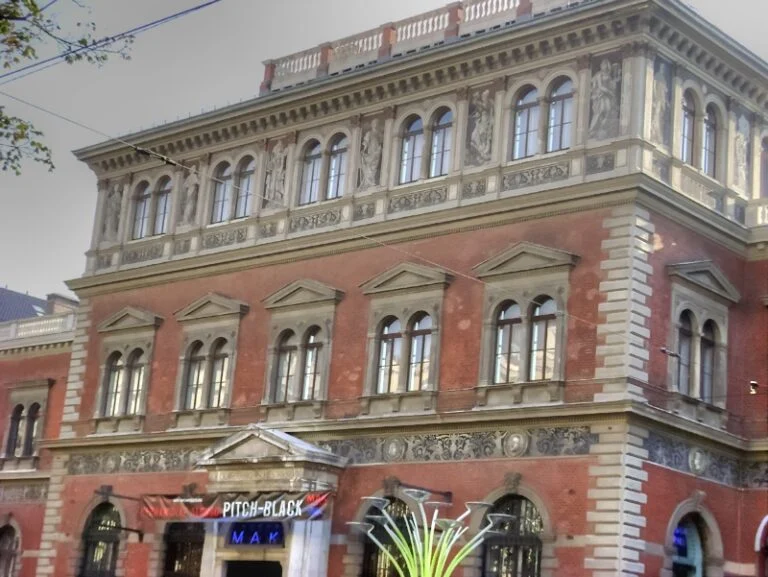
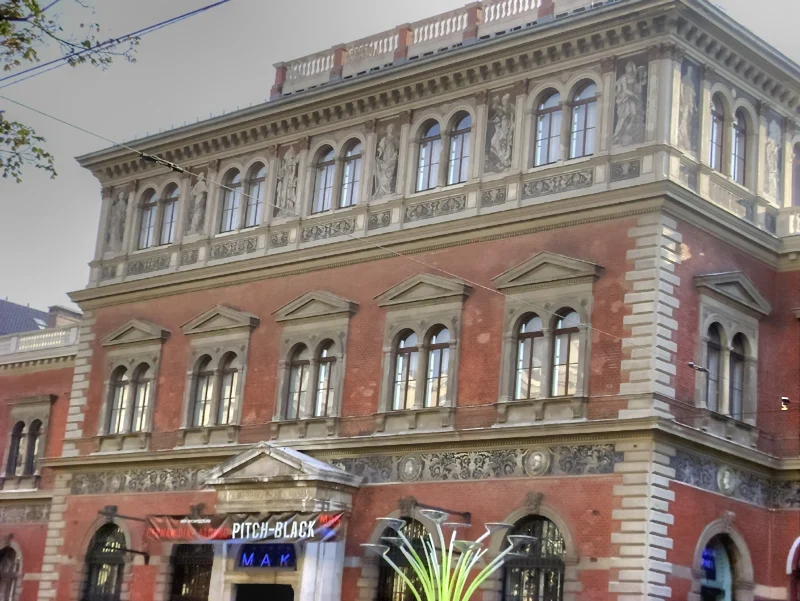
The MAK occupies a building constructed in the late 19th century, originally intended for the display and promotion of applied arts and industrial design. Its architecture reflects historicist styles, common for public and cultural buildings of Vienna in that era, marked by articulated façades and grand interior spaces suitable for large exhibitions.
The museum is situated in Vienna’s first district, close to other cultural institutions, allowing visitors to combine visits to different sites with relatively short walks. The location within Vienna’s compact city center ties it to the historical context of Viennese art and design development.
Practical Information
Visitors should consult the Museum of Applied Arts Vienna’s official website for the latest information on opening hours, admission fees, and any special entry requirements. Details about guided tours, audio guides, and temporary exhibitions are also provided there. The museum accommodates scholarly work with resources such as a specialized library and archives, which may have separate access conditions.
Since the museum focuses largely on small and medium-sized applied art objects, some galleries may offer limited seating and rest areas, which could affect time spent inside. Photographic opportunities depend on current exhibitions and museum policy.
Why Visit
The Museum of Applied Arts Vienna is worth visiting for anyone interested in the development of design and craftsmanship through the ages, especially within the specific context of Viennese and European applied arts. It provides a detailed look at how artistic practices have married utility with aesthetics, which is less often represented in traditional art museums. This makes it especially relevant if you want to see how cultural shifts, technological changes, and artistic movements have influenced the objects that fill everyday environments.
While those with a passion for fine art may find fewer familiar painterly masterpieces here, the MAK offers rich insight into the range of objects that extend art beyond canvas and sculpture. It draws a clear line from the past craft skills to modern design concerns, giving a sense for how design thinking has broadened and reshaped visual culture.
The museum’s strength lies in its collection depth of Vienna’s applied arts traditions alongside items from broader geographies and time periods. This juxtaposition allows visitors to compare styles, techniques, and materials across cultures and eras. One limitation to note is that the museum’s main building may not be as large as some other major institutions, so the presentation of its extensive collection requires selectivity, and some items might be stored or rotated in displays.
Checking the official website before a visit is advisable to get the current picture of temporary displays, which can significantly affect how the collection is experienced. This museum rewards attention to craftsmanship and design history rather than searching for blockbuster shows or large-format paintings, offering a more focused understanding of how art and function intertwine.