Deutsches Historisches Museum Review
Berlin, Germany. The Deutsches Historisches Museum (DHM) in Berlin defines itself less by its sheer breadth and more by a focused ambition to trace German history in a manner that dialogues continuously with European and global…
Berlin, Germany. The Deutsches Historisches Museum (DHM) in Berlin defines itself less by its sheer breadth and more by a focused ambition to trace German history in a manner that dialogues continuously with European and global…
Best forMuseum lovers, culture travelers, first-time visitors
Review focusCollections, visitor experience, and practical planning
A Museum with a Clear Point of View
The Deutsches Historisches Museum (DHM) in Berlin defines itself less by its sheer breadth and more by a focused ambition to trace German history in a manner that dialogues continuously with European and global contexts. It is not simply a national history museum presenting facts and artifacts side by side; rather, it is a space that explores what it means to interpret the past of Germany through shifting political, social, and cultural lenses. The museum pursues a narrative that is neither celebratory nor nostalgic but analytical and reflective, illuminated by a critical engagement with Germany’s complex history. This perspective distinguishes the DHM from many other historical museums confined to straightforward chronology or unified national pride. Its role stretches beyond preservation to encompass a deliberate, often unvarnished examination of the forces that shaped German identity, including difficult epochs like the Nazi period and the division of Germany during the Cold War.
At its core, the DHM sets out to challenge and deepen visitors’ understanding by highlighting the fractures, contradictions, and continuities within German history. This approach can make the museum feel selective and nuanced rather than encyclopedic, which might surprise those expecting a panoramic national survey. Instead, the institution privileges quality over quantity and interpretation over mere display.
What Defines the Collection
The DHM’s collection is formed around objects that do not simply reflect political milestones but also cultural and everyday histories of the German people. It holds approximately 900,000 objects, making it one of the largest collections of German historical artifacts. Within this expanse are military items, political documents, artworks, scientific instruments, everyday household goods, and objects related to German cultural figures. These artifacts together create a dense mosaic that contextualizes Germany’s past beyond leadership and battlefields.
What differentiates the collection is its multidisciplinary character and chronological depth. From medieval manuscripts to contemporary artworks, and from relics of the Holy Roman Empire to objects associated with the GDR, the DHM’s holdings call attention to the layers of historical experience. Because the museum is deeply rooted in Berlin, a city that itself bears the scars and signs of many critical episodes in German history, its collection reflects this tension between local specificity and national significance.
This collection is shaped by provenance and acquisition histories that reflect Germany’s own political transformations. For instance, after reunification, the DHM took on the challenge of integrating and representing the histories of the former East and West Germanys through its artifacts and exhibitions, probing their divergent political systems and social realities.
Standout Galleries and Themes
Among the collection’s permanent presentations, certain galleries carry particular weight. The main historical exhibition, “German History in Images and Artefacts,” spans from the Middle Ages to the present, but it is not arranged as a dry timeline. Instead, it interweaves objects with narrative panels, films, and documents that offer multiple perspectives on events, identities, and controversies. The strength here lies in the museum’s ability to confront the visitor with the layered and often contested nature of historical memory.
One area that commands attention is the exhibition dedicated to National Socialism and the Holocaust. The DHM avoids sensationalism, focusing on situating these events within broader political and social developments. It refrains from totalizing narratives, instead inviting reflection on the mechanisms of dictatorship, propaganda, and resistance. The inclusion of testimonies, official records, and personal effects provides a sobering counterbalance to more heroic or celebratory historical episodes.
Another recurring theme is the division and reunification of Germany. The DHM’s treatment of the Cold War era handles this with detailed attention to everyday life under division, not only high politics. Objects like GDR consumer goods, Stasi files, and art from dissident movements draw a vivid picture of this bifurcated society that often eludes grand historical accounts.
The museum also highlights lesser-known episodes, such as the German colonial period and its aftermath, a topic that has often been marginalized in German public discourse. This inclusiveness signals a commitment to addressing blind spots in collective memory, which is critical for fostering informed debate.
Pacing, Interpretation, and Atmosphere
The museum’s pacing is deliberately measured, encouraging thoughtful engagement with complex topics rather than rapid consumption. Displays are dense with information but designed to support layered reading and contemplation. Text panels and labels are a mix of narrative storytelling and factual data, calibrated to avoid both oversimplification and overwhelming jargon.
Interpretation frequently uses comparative frameworks, linking German history to broader European and global events. This approach prevents a narrowly insular view and promotes a sense of historical interconnectedness. Multi-format interpretation—film excerpts, archival documents, dioramas, and interactive screens—is employed with restraint, enhancing accessibility without distracting from the core artifacts.
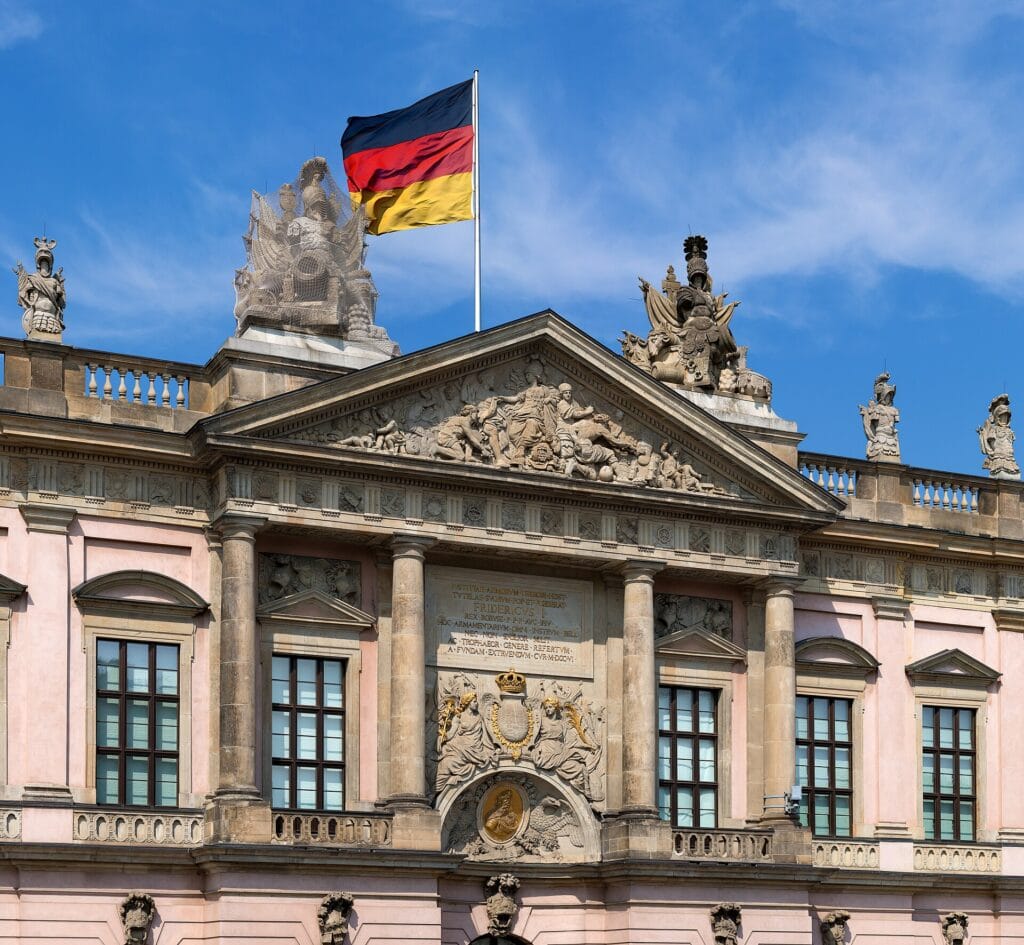
The DHM occupies the Zeughaus building on Berlin’s Unter den Linden boulevard, a Baroque structure that itself carries historical resonance as Prussia’s old arsenal. Its grand yet austere architecture offers a sober atmosphere, fitting for a museum that asks visitors to wrestle with difficult material rather than seek entertainment. The contrast between historic building and contemporary exhibition design underscores the institution’s mission to link past and present in a reasoned way.
Though the museum is centrally located and well-signposted, the spatial layout can at times feel labyrinthine, reflecting both the building’s constraints and the layered complexity of the narrative. This characteristic might pose challenges to casual visitors but is rewarding for those interested in a deeper dive.
Strengths and Limitations
A prime strength of the Deutsches Historisches Museum is its ambition to present German history with intellectual rigor and nuance. Its inclusive perspective that addresses not just political elites but also ordinary people’s experiences is a significant achievement. Emphasizing underrepresented topics like colonialism and the GDR’s social history adds critical depth to the national story that few other major museums attempt.
Additionally, the extensive use of original objects combined with documentary and multimedia elements gives visitors a textured understanding that is not solely text-dependent. The setting in the Zeughaus building further adds historical significance and an architectural mood that aligns with the museum’s serious tone.
Nevertheless, these very qualities also impose limitations. The museum’s narrative density and serious tone may feel taxing or inaccessible to those seeking a lighter or more straightforward historical overview. Its focus on analysis rather than spectacle means it lacks large-scale crowd-pleasers, which could prove challenging to family groups or casual tourists expecting more entertainment-oriented displays.
Furthermore, physical constraints of the building and the comprehensive scope occasionally create spatial bottlenecks or display density that can overwhelm a visitor without considerable background knowledge. The rich interpretive text panels require patience and some historical literacy to fully appreciate.
Closely related to this is the relative scarcity of clear orientation aids for novice visitors. While its academic ambition is commendable, it can come at the cost of immediate clarity or intuitive visitor flow.
Before You Go
Readers planning to visit should verify practical details on the Deutsches Historisches Museum’s official website. Since the museum is in central Berlin, transport options are generally good, but visitors should check for current opening times and any special booking requirements. Information about concessions or visitor services like guided tours should also be confirmed beforehand.
Because the museum’s exhibitions demand intellectual engagement and time, it’s advisable to allocate at least two to three hours for a visit, especially for those who want to explore the nuances rather than merely skimming the surface. Visitors interested in specific periods, such as the German Empire, the Weimar Republic, or the Cold War, might consider focusing on particular galleries to avoid fatigue.
The museum is well-suited to historians, students, researchers, and anyone keen on understanding the complexities of Germany’s role in modern European history. It might be less ideal as a casual or family attraction.
Final Assessment
The Deutsches Historisches Museum shapes a distinctive identity through its reflective, critical approach to German history. It engages with difficult themes not by avoiding them but through layered presentation and a readiness to expose uncomfortable truths. Its collection’s depth and range serve this purpose well, bringing together objects that narrate Germany’s story in more than one dimension.
This approach makes the museum an intellectually demanding institution. It asks visitors to grapple with ambiguity, contradictions, and uncomfortable legacies rather than passively consume a tidy narrative. This quality both defines its strength and delimits its appeal. Those willing to meet the museum on these terms will find a remarkable resource for understanding German history beyond clichés or simplistic tales. Conversely, visitors more in search of entertainment, sweeping chronology, or light introduction will likely find other Berlin museums or cultural sites more accessible.
The DHM does not pretend to offer national glorification or uncritical patriotism. Instead, it provides complex questions about identity, memory, and history in a serious environment that is both architecturally and curatorially resonant. For anyone deeply interested in German history’s varied and contested past, the Deutsches Historisches Museum represents a vital and thought-provoking destination.