National Museum Bangkok
Bangkok, Thailand. The National Museum Bangkok is the largest museum of its kind in Southeast Asia, dedicated to the art, history, and archaeology of Thailand. Situated near the Grand Palace in the historic district of Bangkok,…
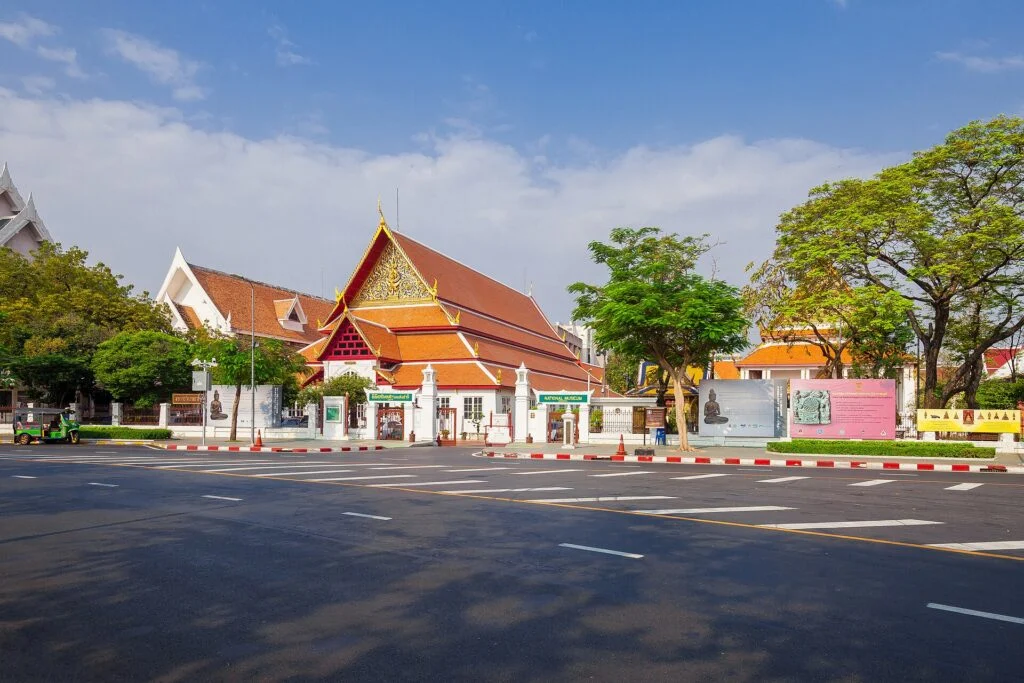
Best forMuseum lovers, culture travelers, first-time visitors
Setting / nearbyBangkok, Thailand
Overview
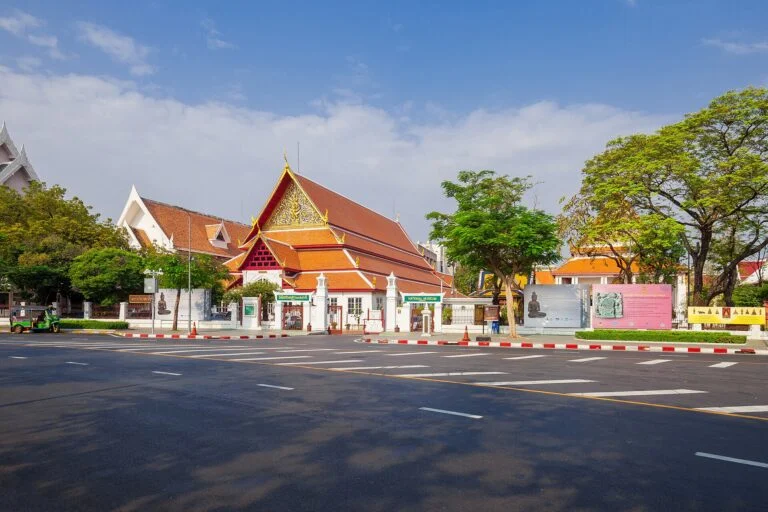
The National Museum Bangkok is the largest museum of its kind in Southeast Asia, dedicated to the art, history, and archaeology of Thailand. Situated near the Grand Palace in the historic district of Bangkok, the museum occupies a former 18th-century palace compound which itself adds layers of historical context to the visit. It serves as a repository for Thailand’s royal collections and artifacts that span from prehistoric times through to the early modern era. The museum’s scope covers not only central Thailand but also the diverse cultural histories from the northern, northeastern, and southern regions of the country. This breadth gives a broad overview of how Thai civilization developed, intertwined with influences from neighboring cultures.
Collection Highlights
The National Museum Bangkok contains over 40,000 objects, although not all are on display at once. One of the distinctive strengths lies in its archaeological holdings, which include artifacts from the Ban Chiang site. Ban Chiang pottery and tools, dating back several millennia, provide one of the earliest records of agricultural life and metalworking in Southeast Asia. These highlight the long history of human occupation in the region.
The museum also holds important sculptures and religious statues that illustrate the evolution of Buddhist, Hindu, and animist iconography in Thai art. In particular, bronze Buddha images from different periods—Dvaravati (6th to 11th century), Sukhothai (13th to 15th century), and Ayutthaya (14th to 18th century)—demonstrate changes in style and religious emphasis. These statues are often noted for their craftsmanship and for showing how religious art shifted alongside political changes.
Another sizable segment of the museum’s collection consists of traditional Thai decorative arts and crafts, including textiles, lacquerware, ceramics, and weaponry. These were often commissioned or used by the royal court, reflecting the tastes and technologies of various dynasties. The Ceramics Gallery, for instance, displays Chinese, Khmer, and Thai ceramics from ancient times through the Ayutthaya period, illustrating trading connections and cultural exchanges.
The museum’s coin collection covers several centuries of monetary history in Thailand and the surrounding regions, reflecting economic transitions. There are also paintings and historical documents, including royal regalia and costumes that illuminate the social and political history of the kingdom.
Building and Setting
The museum’s main complex includes the former Wang Na palace, built in the late 18th century during the early Rattanakosin period. The palace architecture is an example of Thai traditional style adapted into an urban palace setting, with several connected halls and open spaces. The buildings have been repurposed and adapted for museum use but maintain much of their original structure and ornamentation. This connection to royal architecture complements the museum's collection by situating it in a physical context associated with Thai ruling elites.
Located in the Phra Nakhon district, the museum is surrounded by other historical sites, such as the National Gallery and the Grand Palace, placing it in a rich cultural landscape of Bangkok’s old city. Access is typically via road or boat along the nearby Chao Phraya River, depending on visitor preference. The outdoor spaces and compound layout create a more expansive setting than a typical urban museum.
Practical Information
Those planning a visit should check the National Museum Bangkok’s official website for current practical details such as opening hours, ticket prices, and any temporary exhibition schedules. Information about accessibility, guided tours, and visitor facilities can also be sourced from the museum’s official channels. Because of the museum’s central location and historical buildings, visitors might want to allow several hours to see the major galleries at a comfortable pace.
Visitors interested in particular collections or periods may want to find out if any galleries are closed for renovation or if any special exhibitions require advance booking. While the museum has a reputation as a large and complex institution, detailed, up-to-date visitor information can help make the visit more efficient.
Why Visit
The National Museum Bangkok stands out for its wide-ranging collection that spans prehistoric through early modern Thai history and culture. Visitors with an interest in archaeology or Asian religious art will find especially rich material among the sculptures, ceramics, and ancient artifacts. The fact that the museum is housed in a former royal palace adds a tangible historicity to the experience, giving a sense of the kingdom’s past power centers.
For those keen to understand Thailand beyond its tourist-facing jewels, the museum reveals diverse influences and regional cultures that shaped the nation. It does not specialize in contemporary art or modern history, so those looking primarily for these topics might find its scope limited. However, for a deep dive into Thai cultural heritage through objects and architecture, it offers a concentration that few other places in Bangkok match.
The museum’s sheer size means that visitors should be prepared for a visit that involves some walking and time to absorb the varied exhibits. The architectural setting is part of the museum’s appeal—but also a reminder of the challenges in balancing preservation with the needs of modern exhibit display.
In short, the National Museum Bangkok is a solid destination for those looking to understand Thailand’s artistic and historical roots through a range of objects and settings closely linked to the royal narrative and broader cultural history. Readers planning a visit should check official sources beforehand to make the most of their time amid the museum’s extensive and often nuanced offerings.