Museu de Lisboa
Lisbon, Portugal. The Museu de Lisboa is dedicated to the history and development of Lisbon, Portugal's capital city, spread across several sites with its core located in the Palácio Pimenta. Rather than concentrating on art or…
Best forMuseum lovers, culture travelers, first-time visitors
Setting / nearbyLisbon, Portugal
Overview
The Museu de Lisboa is dedicated to the history and development of Lisbon, Portugal's capital city, spread across several sites with its core located in the Palácio Pimenta. Rather than concentrating on art or archaeology in isolation, this museum focuses on urban history, illustrating the city’s transformation from its earliest days to the present. Its displays combine objects, maps, models, and archival materials that depict the growth of Lisbon as a political, social, and cultural center. This approach distinguishes the Museu de Lisboa from other local museums that focus primarily on one era or one aspect of the city’s past. Visitors can expect a perspective shaped by the interaction of daily life, architecture, and larger historical forces.
Collection Highlights
The museum holds a variety of artifacts tracing Lisbon’s urban and social history. Its collection includes historical prints, ceramics, costumes, photographs, and furniture, each chosen to tell stories about how city life evolved from the Middle Ages to modern times. One notable area is the extensive archaeological material, including artifacts unearthed from sites around Lisbon that reveal its Roman, medieval, and early modern phases. This gives insight into the many layers upon which the modern city rests.
The museum also preserves and exhibits maps and urban plans that detail Lisbon’s expansion and rebuilding, especially after the devastating 1755 earthquake. These documents reveal how city planning responded to disaster and growth, while architectural models and lithographs showcase Lisbon’s changing streetscapes and prominent buildings over centuries. The inclusion of everyday objects alongside public documents reflects changes in social customs and lifestyles within Lisbon’s distinct neighbourhoods.
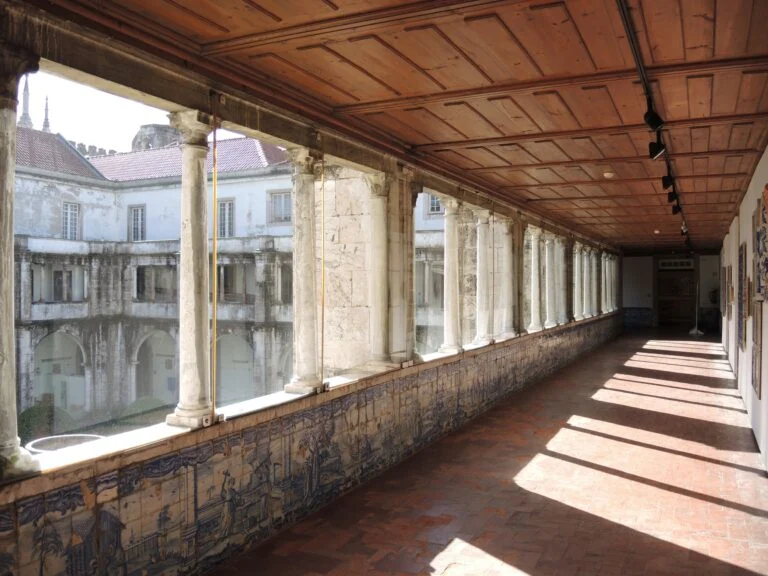
Additionally, the museum’s collections cover the decorative arts closely linked to Lisbon’s identity, such as azulejos (painted ceramic tiles), which are a durable symbol of Portuguese architectural styles. Items associated with key historical figures and moments also appear in the museum’s holdings, offering portraits and personal effects alongside larger political narratives.
Building and Setting
The main site of the Museu de Lisboa is housed in the Palácio Pimenta, a late 18th-century palace originally built as a noble residence. Its location within the historic centre offers proximity to the city’s old districts and remains of past urban fabric, making it a fitting place to explore the history of Lisbon itself. The palace’s architecture reflects its aristocratic origins, with features typical of its period and functions that have since been adapted to museum use.
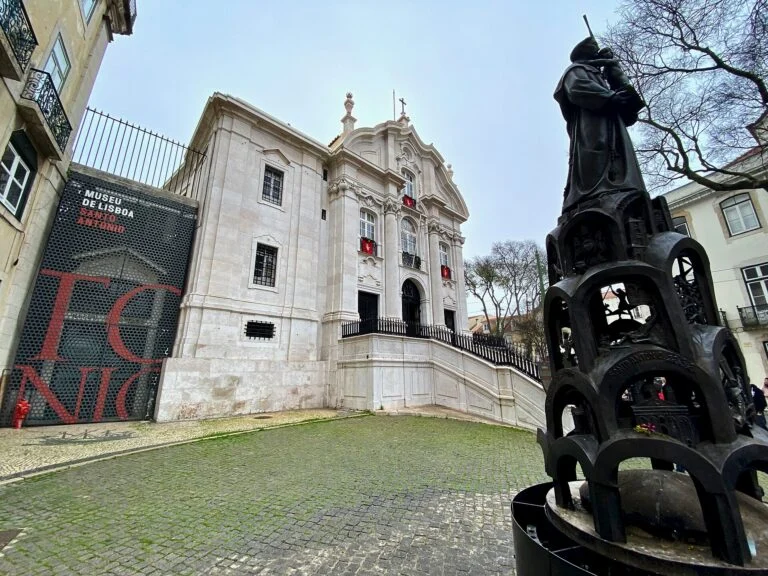
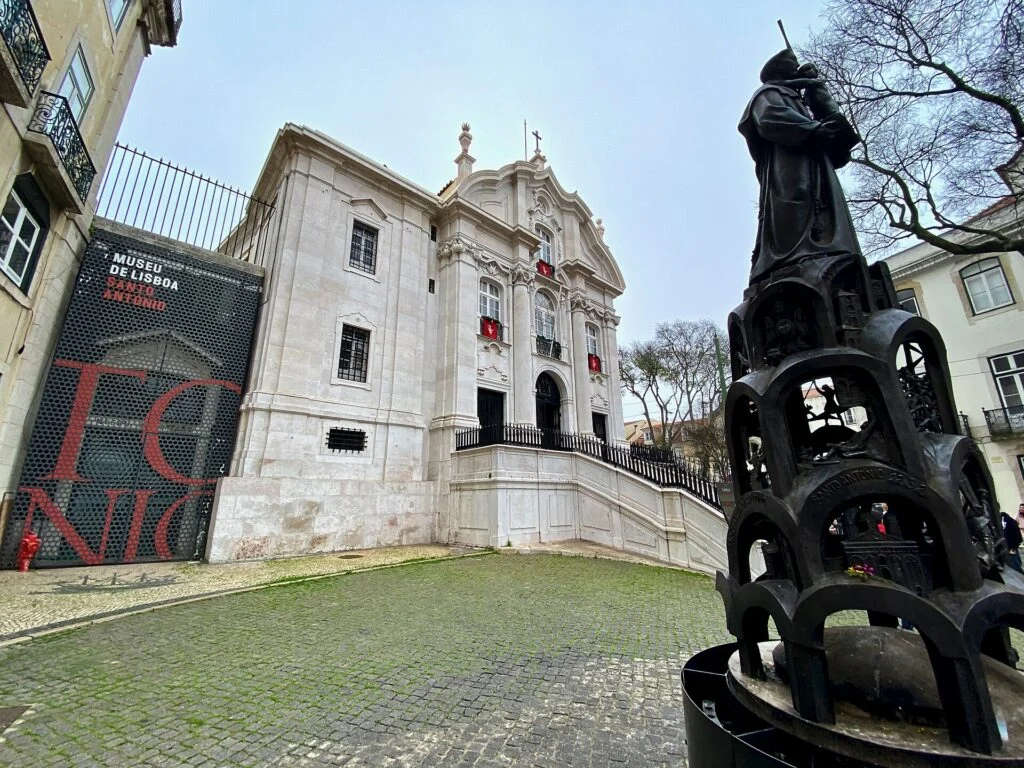
The museum is part of a network of sites throughout Lisbon, including others based in historic buildings with their own local connections. For example, there is a branch in the Casa dos Bicos, a distinctive Renaissance building in the Alfama district, which provides context for Lisbon’s maritime and mercantile heritage. These dispersed locations make the Museu de Lisboa a project of collecting and interpreting urban memory across locations rather than through an isolated structure alone.
Practical Information
The Museu de Lisboa should be checked for current opening hours and admission policies via its official website before planning a visit. Admission fees, discounts, guided tours, and any potential need for advance booking can change and are best verified directly with the museum. Since the institution spans multiple locations, the website will have important details about how to access each site and any transport considerations.
The museum’s setting in central Lisbon is generally reachable by public transport, including buses and the metro system. Accessibility arrangements and visitor services information are also usually provided where appropriate but should be confirmed beforehand for the most up-to-date conditions.
Why Visit
What sets the Museu de Lisboa apart is its focus on the city as a living environment shaped by centuries of historical events, cultural shifts, and social developments. This is not a museum of grand art or political history in isolation but one that connects buildings, objects, and documents to the everyday experiences of Lisbon’s inhabitants over time. Anyone interested in how cities evolve, how urban disasters shape places, or how local identity is constructed through material culture will find something to consider here.
The division of the museum across several specialized sites may be a drawback for visitors pressed for time or looking for a single comprehensive venue. On the other hand, this network approach allows each location to delve into different aspects of Lisbon’s history with some specificity. The museum’s collections are strongest when they link historical objects to the city’s changing form and community life. Those with an eye for urban history or for Lisbon itself will probably appreciate the detailed attention to maps, plans, and daily-use artifacts.
The museum’s combination of archaeological finds, historic prints, decorative arts, and urban documentation provides an uncommon angle on Lisbon’s past. Visitors who want an introduction to the city’s multiple identities beyond tourist landmarks often find the Museu de Lisboa a useful resource. Its historical depth can inform a broader understanding of Lisbon’s present-day character and challenges.
Checking the official website for the latest visitor information is advisable, particularly to plan visits to specific branches of this multi-site institution. The Museu de Lisboa invites reflection on the city through layers of evidence that range from the monumental to the familiar, tracing how a capital city writes its story through architecture and community.