Museu Nacional de Arte Antiga
Art Museums · Lisbon, Portugal. The Museu Nacional de Arte Antiga in Lisbon stands as Portugal’s premier art museum, renowned for its extensive collection of European and Portuguese art spanning from the Middle Ages to the early 19th century.…
Best forMasterpieces, architecture, cultural history
Setting / nearbyThe heart of Lisbon, near the Tagus River
Overview
The Museu Nacional de Arte Antiga in Lisbon stands as Portugal’s premier art museum, renowned for its extensive collection of European and Portuguese art spanning from the Middle Ages to the early 19th century. As the country’s national museum of ancient art, it offers an extraordinary journey through centuries of artistic achievement, incorporating not only paintings but also sculptures, decorative arts, textiles, and metalwork. The museum’s mission is to preserve and showcase the cultural heritage of Portugal alongside pieces that reflect broader European artistic developments, making it a vital destination for art lovers and historians alike.
Collection Highlights
The Museu Nacional de Arte Antiga boasts a diverse collection that reflects a vast range of artistic styles and historical periods. Its paintings are among the most impressive, featuring masterpieces by both Portuguese and international painters. Viewers can encounter significant works by renowned European artists such as Hieronymus Bosch, Albrecht Dürer, Raphael, and El Greco, whose expressive and detailed works provide remarkable insight into Renaissance and Baroque art. Paintings from the Portuguese school shed light on national artistic traditions, often distinguished by religious themes and the integration of local landscapes and cultural motifs.
In addition to paintings, the museum holds an extensive array of sculptures and altarpieces, many illustrating religious iconography and serving as important examples of both Gothic and Baroque ecclesiastical art. The collection of decorative arts includes exquisite goldsmithery, intricate ivory carvings, and elaborately decorated ceramics that reveal the craftsmanship and aesthetic preferences of different eras. Textiles, including tapestries from the Flemish tradition, also feature prominently, contributing to a fuller understanding of historical taste and artistic techniques.
One of the museum’s standout pieces is a famed triptych by the Master of Saint Vincent, which is considered a highlight of Portuguese Gothic painting. The collection also contains numerous objects linked to Portugal’s Age of Discovery, reflecting the country’s rich maritime history and its cultural exchanges with Africa, Asia, and South America. This dimension adds a unique global context to the museum’s holdings, illustrating Portugal’s historical role as a crossroads of the world.
Building and Setting
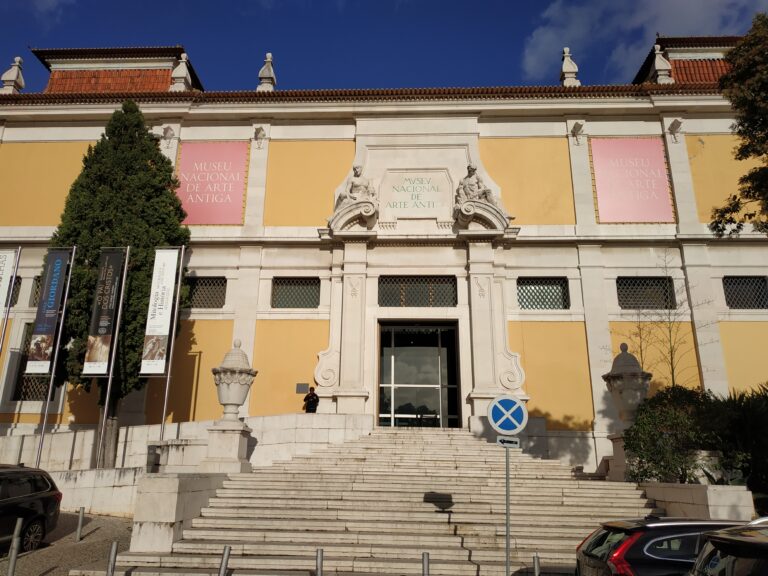
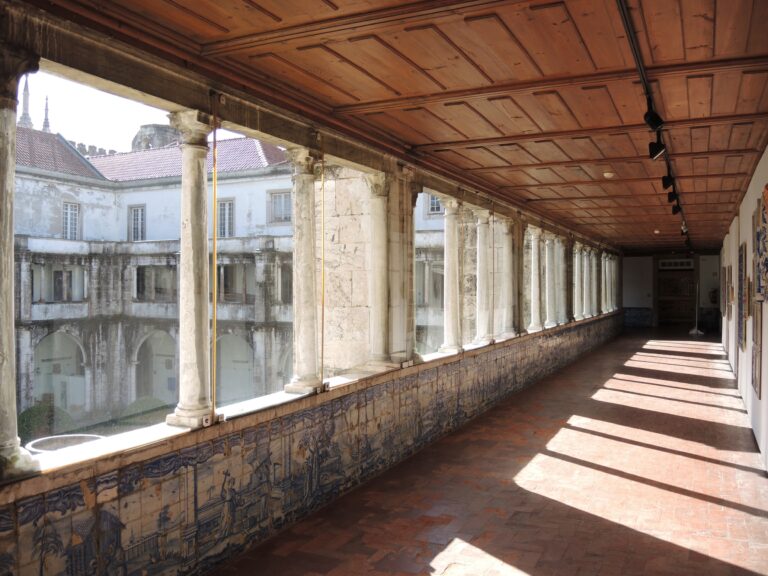
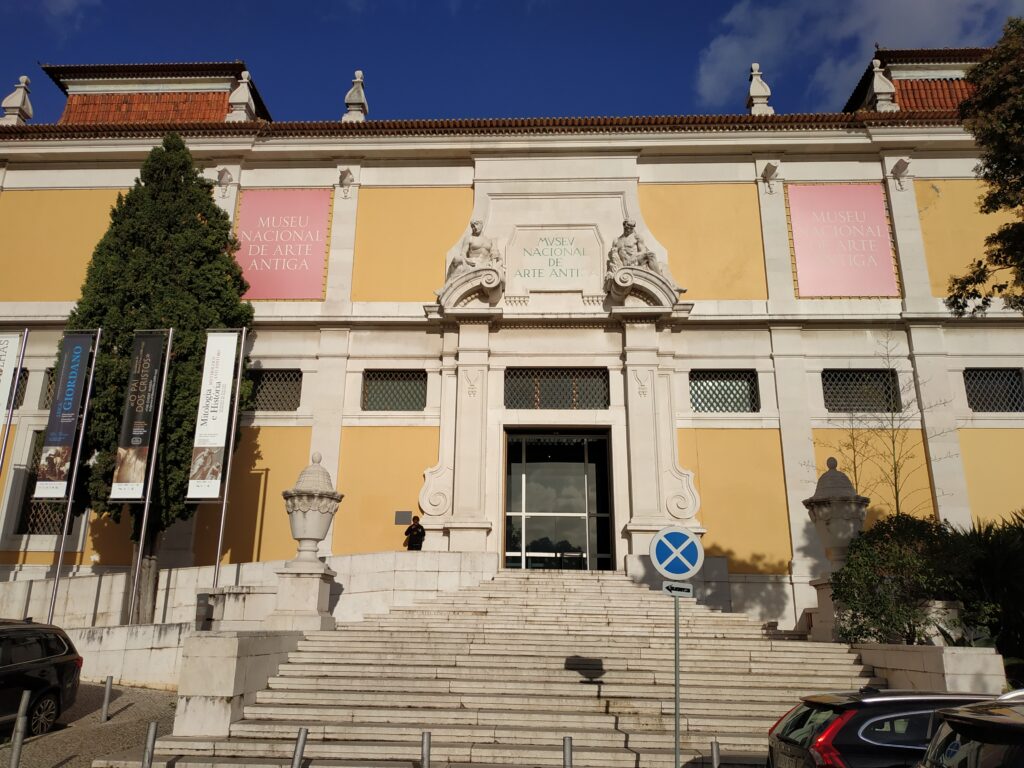
The museum is housed in the imposing Palácio Alvor-Pombal, a historic 17th-century palace situated in the heart of Lisbon, near the Tagus River. The building itself is an important cultural artifact, combining elements of classical and baroque architecture with a stately yet welcoming atmosphere. Its large rooms and high ceilings provide an ideal setting for displaying the museum’s collection, allowing visitors to appreciate the artwork under natural light and in a context that enhances the historical ambiance.
The location is both accessible and picturesque; the nearby river adds a scenic backdrop to the museum visit. Surrounding gardens and public spaces offer opportunities for reflection and relaxation after exploring the galleries. The palace setting contributes to an immersive experience, letting visitors feel connected to Lisbon’s artistic and historical heritage beyond the contents of the museum’s exhibits.
Practical Information
The Museu Nacional de Arte Antiga typically welcomes visitors every day except Mondays, with opening hours designed to accommodate a broad range of schedules. However, it is important to check the most current information before planning a trip, as hours and admission policies can vary due to special events, holidays, or health and safety considerations. Ticket prices are generally reasonable, with concessions available for students, seniors, and other groups. Educational tours and temporary exhibitions complement the permanent collection, enhancing the educational potential of the museum.
The museum is equipped with facilities such as a bookshop and café, where visitors can find publications related to the collections or enjoy a break during their visit. Accessibility options are in place to assist visitors with mobility challenges. For those traveling by public transport, the museum is well connected to central Lisbon’s tram and bus networks, making it easy to reach from various parts of the city.
Why Visit
The Museu Nacional de Arte Antiga offers a deeply enriching cultural experience that appeals to a wide audience—art enthusiasts, history buffs, students, and casual visitors alike. It is particularly valuable for those interested in understanding Portugal’s artistic heritage in a broader European context. The breadth and quality of the collection provide rare opportunities to view works that have shaped the course of Western art, including pieces that are not often on display outside major national institutions.
Beyond the art itself, the museum’s setting in a historic palace enhances the visitor experience, offering a tangible connection to Lisbon’s past. The integration of Portuguese and international artworks helps narrate a story of artistic dialogue and cultural exchange, reflecting Portugal’s historical openness to global influences. Whether you are drawn to religious art, decorative arts, or painting masterpieces, the museum provides a comprehensive, thoughtfully curated encounter with centuries of artistic expression.
In sum, a visit to the Museu Nacional de Arte Antiga is more than just seeing artworks; it is an immersion into the heart of Portuguese culture and history, illuminated by connections to wider global trends. This makes the museum a must-see destination for anyone spending time in Lisbon, offering inspiration, education, and a profound appreciation for the visual arts.