Slovak National Gallery Review
Bratislava, Slovakia. The Slovak National Gallery in Bratislava is defined by its role as the country’s principal institution for visual arts, particularly Slovak art in its national and Central European contexts. It acts less as a…
Bratislava, Slovakia. The Slovak National Gallery in Bratislava is defined by its role as the country’s principal institution for visual arts, particularly Slovak art in its national and Central European contexts. It acts less as a…
Best forMuseum lovers, culture travelers, first-time visitors
Review focusCollections, visitor experience, and practical planning
Why This Museum Matters
The Slovak National Gallery in Bratislava is defined by its role as the country’s principal institution for visual arts, particularly Slovak art in its national and Central European contexts. It acts less as a broad encyclopaedia of global art and more as a stronghold for Slovakia’s artistic heritage and modern cultural identity. This focus shapes the gallery in a way that is both a strength and a clear marker of its purpose: it is an essential reference point for anyone interested in Slovak art from medieval frescoes to contemporary works, alongside carefully selected European pieces that provide regional context.
Its significance goes beyond geographic focus. The gallery conserves and presents critical narratives of Slovak cultural history through art, offering insight into how a relatively small nation expresses its social, political, and aesthetic concerns over centuries. By spotlighting local artists and national trends, the gallery fills a frequent gap in broader European art stories, where Slovak contributions might otherwise be overlooked. This makes the Slovak National Gallery pivotal for a full understanding of Slovak and Central European visual culture.
The Collection in Focus
The collection is rooted in several key strands: historic Slovak art dating back to the medieval period; 19th and 20th-century Slovak painting and sculpture; contemporary Slovak art; and a curated selection of important European artworks. While it does not attempt to compete with larger international museums in scope, its strength lies in the depth and specificity of its holdings.
Medieval and Renaissance art, mostly religious in nature, anchors the historical narrative, with significant fresco fragments and panel paintings. These pieces are vital for understanding the ecclesiastical and cultural development within Slovakia and their connections to wider European art movements.
Moving into the 19th and early 20th centuries, the collection showcases artists such as Martin Benka, whose work shaped a distinctly Slovak national style grounded in folk traditions and landscapes. Benka is an essential figure here, and his works underscore the gallery’s emphasis on nationhood and identity through visual art.
Modernist and contemporary Slovak artists receive substantial focus as well, with representations of pivotal figures like Mikuláš Galanda and Štefan Novák, whose avant-garde contributions connected Slovak art to European modernism. More recent acquisitions present younger artists, reflecting ongoing dialogues within Slovakia’s cultural scene.
The inclusion of Central European artists from neighboring countries is notable, yet selective, making for a regional perspective that situates Slovak art within broader historical and cultural currents without diluting its national emphasis.
How the Story Is Told
The narrative approach within the Slovak National Gallery stems from a chronological and thematic outline, marrying art historical developments with national milestones. This method provides clear pathways through the complex historical landscape of Slovakia, balancing political changes and artistic innovation.
Exhibitions tend to stress the evolution of Slovak style and identity, supported by clear labels and sometimes multimedia elements. While there is confidence in presenting the collection’s strengths, the gallery generally refrains from over-interpretation. Instead, it allows works to speak for themselves within historic framework, trusting visitors to draw connections about identity, tradition, and transformation.
Where the interpretation shines is in contextualising Slovak art not as isolated or provincial but part of Central European dialogues. This focus adds layers of meaning to the artworks, highlighting influences and exchanges across borders. It invites consideration of Slovakia’s complex cultural position rather than assuming a purely national narrative.
The gallery’s use of space is functional rather than theatrical. It does not rely on dramatic staging but opts for a straightforward arrangement, which can sometimes risk an academic feel. Visitors interested primarily in aesthetic experience may find this less arresting than more immersive museums. However, those focused on content and scholarship will appreciate the clarity and respect for the art offered by this approach.
The Visitor Experience
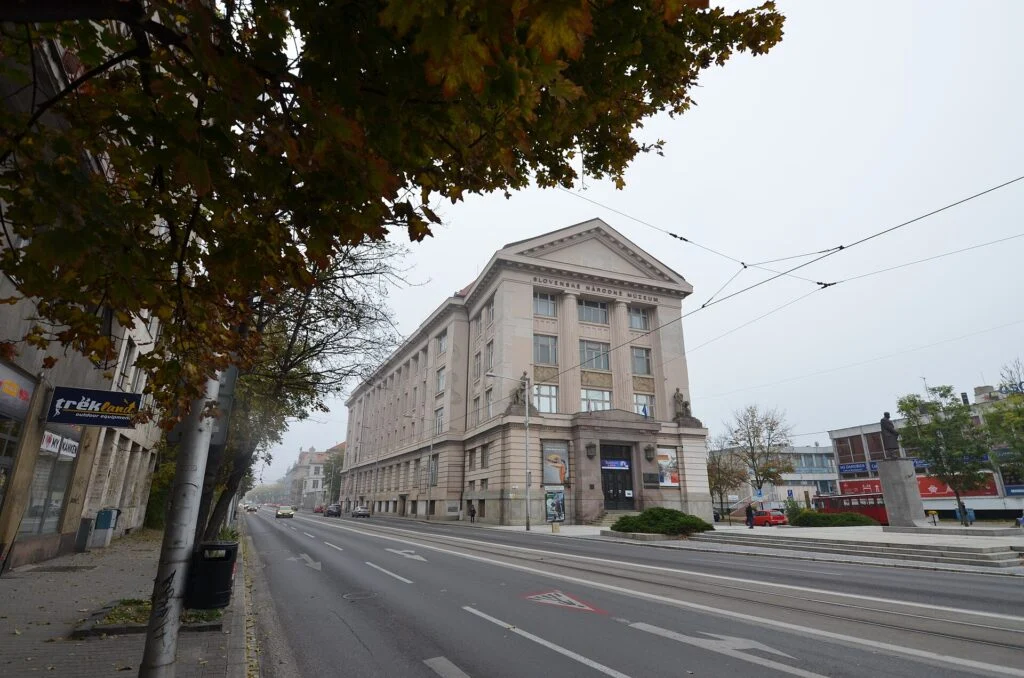
Practical details about the visitor experience are best checked on the official website as opening hours, ticket policies, and services can vary. The Slovak National Gallery operates in multiple historic locations across Bratislava, with the main building housed in the Esterházy Palace and an adjacent modern wing for contemporary exhibitions. This duality reflects the gallery’s bridging of past and present, though moving between sites may require planning.
The gallery typically presents its spaces with clean, well-lit galleries that prioritize the works themselves. Information is generally provided in Slovak and often in English, which aids international visitors. However, the international visibility of Slovak art and the gallery itself remains somewhat limited, so deeper engagement may require prior interest or research.
On the whole, the emphasis lies in education through exhibitions rather than leisure or entertainment. This can make the visit a quieter, more focused experience, with little in the way of interactive or family-oriented features.
Who Will Enjoy It Most
This gallery serves scholars, students, and enthusiasts of Slovak and Central European art especially well. Those interested in national identity, the art historical impact of folk and rural traditions, and the evolution of modern art movements in this region will find rich material here.
Contemporary art followers interested in Slovak artists are also well catered to, with recent acquisition and exhibition programs reflecting current artistic dialogues.
Visitors expecting a broad panorama of global art landmarks might find the gallery’s focused scope limiting. Its strength is in depth rather than international breadth, and it is less equipped for casual tourists or those seeking blockbuster displays or interactive experiences.
Planning the Visit
Anyone considering a visit should consult the Slovak National Gallery’s official website for up-to-date information regarding current exhibitions, opening hours, ticket prices, and accessibility options. Multiple sites can cause some confusion for first-time visitors unfamiliar with Bratislava, so planning transit and timing is advisable.
Checking which exhibitions are on is worthwhile as rotating displays emphasize various aspects of Slovak art and contemporary scenes. Planning accordingly can enrich the visit, especially for those targeting specific periods or artists.
Editorial Verdict
The Slovak National Gallery stands out for its focused dedication to Slovak art and its context within Central Europe. It is not a museum of superlatives in terms of global scale, but its concentrated collection and clear curatorial framework provide important insights into national identity and regional artistic development. The presentation favors substance over spectacle, supporting a serious engagement with Slovakia’s art history from medieval to contemporary periods.
This focus necessarily narrows the museum’s appeal and means some visitors may find it specialized or reserved. Yet for those interested in this often underrepresented cultural domain, the gallery offers a necessary home for understanding Slovakia’s visual culture. It is less a destination for casual browsing and more a resource for coherent study, enriching the narrative of European art in a distinct and meaningful way.