Colombo National Museum Review
Colombo, Sri Lanka. The Colombo National Museum stands as Sri Lanka’s largest and oldest museum, established in 1877 with the original intent of assembling and safeguarding the island’s historical and cultural heritage. Its fundamental purpose is to…
Colombo, Sri Lanka. The Colombo National Museum stands as Sri Lanka’s largest and oldest museum, established in 1877 with the original intent of assembling and safeguarding the island’s historical and cultural heritage. Its fundamental purpose is to…
Best forMuseum lovers, culture travelers, first-time visitors
Review focusCollections, visitor experience, and practical planning
Purpose, Place, and Perspective
The Colombo National Museum stands as Sri Lanka’s largest and oldest museum, established in 1877 with the original intent of assembling and safeguarding the island’s historical and cultural heritage. Its fundamental purpose is to tell the story of Sri Lanka’s past through archaeological artifacts, traditional art, and ethnographic collections, offering a singularly concentrated lens on the nation’s identity and historical trajectory. Unlike a broad survey museum attempting to encompass global history or natural sciences, its remit centers firmly on the island’s archaeological and colonial eras, with special attention to artifacts that illuminate the Sinhala royalty, Buddhist traditions, and indigenous craftsmanship.
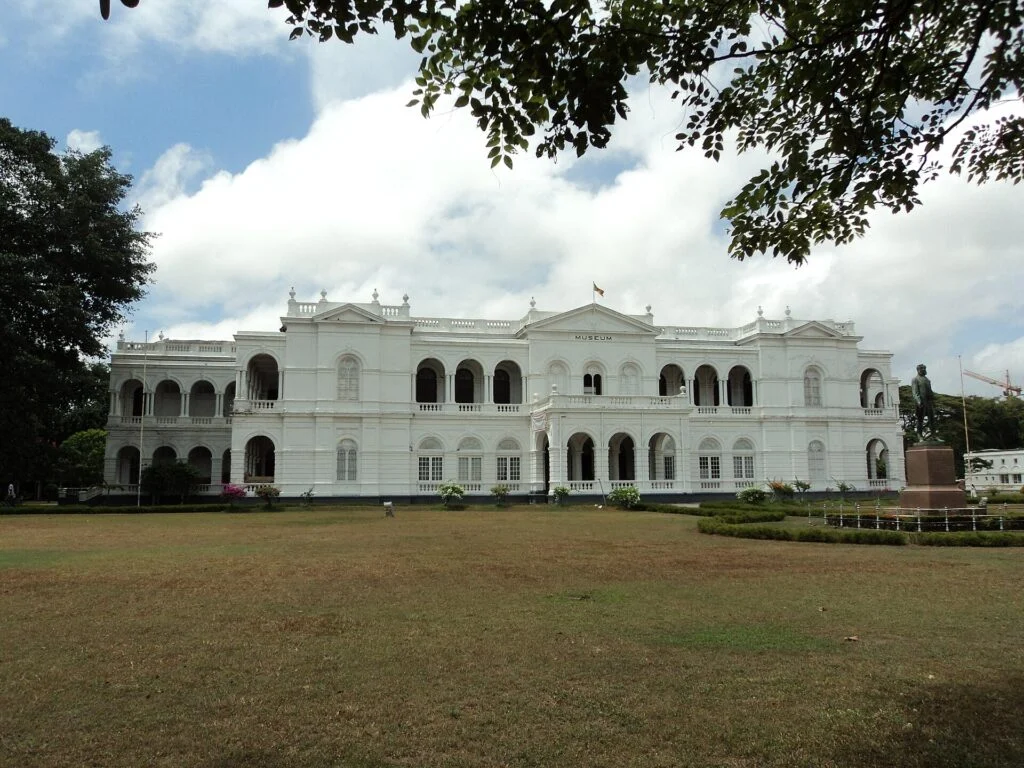
Situated in Colombo, the country’s capital and largest city, the museum occupies a neo-baroque style building designed by James George Smither. The choice of location in the heart of the city places it at the crossroads of Sri Lanka’s colonial legacy and its contemporary urban developments, linking the history it holds within its walls to the capital’s ongoing story. The architecture itself, dating from the late 19th century and blending European design with local materials, offers a physical embodiment of the colonial context under which the museum was founded. This background shapes the museum’s perspective but also introduces complexities about how colonial histories are presented and contextualized within a postcolonial nation.
The Colombo National Museum’s focus is narrower than many other national museums, concentrating largely on the island’s archaeology, history, and ethnography. It purposefully foregrounds artifacts that clarify Sri Lanka’s pre-colonial kingdoms and later cultural transformations under Portuguese, Dutch, and British rule. This concentrated remit means the museum does not stretch into natural history or contemporary art, maintaining a consistent narrative thread but leaving some gaps in broader historical or scientific contexts. Its perspective is shaped by its role as a state institution, which has affected object acquisition and display choices–especially visible in how Buddhist art and monarchy-related artifacts are privileged subjects, reflecting national narratives of cultural pride.
The Core Collection
The museum’s core collection is defined by its archaeological artifacts, antiquities, and art objects spanning from prehistoric times to the colonial period. There is a notable concentration on ancient Sri Lankan kingdoms, with key objects drawn from archaeological sites such as Anuradhapura and Polonnaruwa, some of the island’s most significant urban centers between the 4th century BCE and the 13th century CE. This includes stone statues, inscriptions, and ritual items that offer concrete material evidence for the island’s early political structures and religious practices.
One of the collection’s strengths lies in its sizable holdings of Buddhist sculptures and relics. These pieces are central to understanding the religious and cultural fabric that shaped Sri Lankan society. Particularly important are the statues of Buddha in various postures, crafted in periods stretching from early Anuradhapura style to later Kandyan influences. These objects serve to deepen comprehension of the island’s Theravāda Buddhism, reflecting shifts in artistic style and devotional forms across centuries.
The museum also houses royal regalia, weapons, and ceremonial objects linked to the island’s ancien regime. Items such as intricately designed daggers, the jewelled throne replicas, and a variety of traditional costumes stand as tangible connections to the governance and ceremonial life of the Sinhala monarchies. These objects underscore the museum’s concentration on political history as seen through material culture.
Colonial period artifacts provide another layer to the collection, emphasizing the effects of Portuguese, Dutch, and British presence. Decorative art, furniture, and documents from these eras give a glimpse into shifts in governance, trade, and social relations under foreign rule. However, these are proportionally fewer compared to the pre-colonial holdings, reinforcing the museum’s focus on indigenous histories.
Ethnographic items, including traditional masks, musical instruments, and everyday tools, round out the collection, illustrating the cultural diversity of Sri Lanka’s various communities. Although smaller in scale, this section is important for presenting living traditions and social customs alongside the archaeological narratives.
Exhibitions and Interpretation
Display and interpretation at the Colombo National Museum appear to prioritize a chronological and thematic approach, guiding visitors through Sri Lanka’s prehistory, ancient kingdoms, colonial encounters, and cultural practices. The use of original artifacts combined with didactic panels and labels aims to contextualize the material within broader historical frameworks. The exhibition style tends to be traditional, focusing on the objects themselves rather than integrating extensive multimedia or interactive elements.
Interpretation often leans heavily on political and religious narratives, especially concerning the island’s Buddhist heritage and monarchy. This offers clarity and depth for those interested specifically in these themes. However, it also risks narrowing the scope of visitor understanding, potentially sidelining other dimensions, such as the experiences of minority communities during the colonial period or critical reflections on Sri Lanka’s postcolonial identity.
The museum benefits from an established collection with scholarly provenance, allowing for authoritative labeling and historical accuracy. The descriptions typically include cultural and chronological details but may vary in accessibility depending on the visitor’s prior knowledge. Since comprehensive audio guides or digital apps have not been confirmed, interpretation relies on reading panels and physical signage, which could limit engagement for non-specialist audiences or those less familiar with regional history.
Temporary exhibitions and special displays have contributed to keeping the content fresh, though detailed information on recent or upcoming shows isn’t always widely publicized beyond local channels. This means that any return visit may find entirely different thematic emphases depending on current exhibition programming.
Audience Fit and Visitor Flow
The museum’s main appeal lies with visitors who have a specific interest in Sri Lankan history, archaeology, and Buddhist art. Scholars, students, and culturally curious travelers focused on South Asia or Buddhist civilizations will find a rich source of primary material. The presentation style suits those who prefer self-guided study at a measured pace, as well as formal academic reference points.
Given the collection’s concentration on pre-colonial and religious artifacts, it is less tailored for casual visitors seeking broad world history overviews or more visually sensational exhibitions. The museum’s layout and signage are best suited to those comfortable navigating galleries based on traditional chronological and thematic order.
Details about crowd flow or gallery size are not widely documented, but as the largest museum in Sri Lanka housed in a historical building, it likely manages a steady flow of visitors in contained exhibition spaces. The museum’s age and architecture might limit the ease of movement compared to modern institutions designed with universal access in mind. Prospective visitors should check for updated visitor information regarding accessibility and visitor services.
Highlights and Trade-Offs
Among the museum’s highlights is the collection of Buddhist statues from various periods, particularly those from Anuradhapura and Polonnaruwa, which are central to understanding both the artistic and religious history of Sri Lanka. Another key strength is the display of royal artifacts, which provide material insight into the island’s political past often overshadowed by oral histories.
The building itself offers a glimpse into British colonial architectural ambitions, adding a layer of historical resonance to the visit. This setting frames the museum’s collections in a physical reminder of the country’s own historical phases.
Trade-offs arise from the museum’s focused scope and traditional methods. Concentrating on national history restricts the inclusion of other related themes that might appeal to a wider range of interests, such as broader regional interactions in South Asia or contemporary cultural developments. The presentation style, being conventional and somewhat text-heavy, may not engage visitors looking for modern multimedia experiences or interactive learning opportunities.
Its focus on Buddhist and royal heritage, while rich, may inadvertently marginalize other historical narratives within Sri Lanka, such as contributions from Muslim and Tamil communities or the complexities of colonial resistance movements. The museum’s approach reflects its origins and institutional history, making it both a vital cultural repository and a document of its own time and perspective.
Visit Planning
Practical information regarding opening hours, admissions, guided tours, or facilities is not comprehensively detailed in widely available sources. Visitors intending to explore the museum should consult official or local resources for the current conditions before planning a visit. This will help confirm details about entry fees, any restrictions, or special events.
Because the museum covers many centuries of Sri Lankan history, a minimum of two to three hours would likely be required for a thorough visit. Those deeply interested in particular aspects such as archaeology or Buddhist art might allot even more time. The lack of confirmed audio-visual aids or interactive technology means visitors will largely rely on their own reading and note-taking skills.
The Bottom Line
The Colombo National Museum provides a focused and detailed representation of Sri Lanka’s historical and cultural heritage through its substantial archaeological and royal collections. Its strength lies in delivering concrete material evidence of the island’s ancient kingdoms and Buddhist traditions within a historical building emblematic of colonial legacies. For those with a serious interest in Sri Lankan history or Buddhist art, the museum offers an irreplaceable repository.
However, the museum’s traditional display style, concentrated narrative scope, and limited known visitor amenities may present challenges for casual audiences or those seeking broader historical contexts and modern interpretive tools. The museum’s strong ties to official state heritage narratives mean some perspectives and contemporary complexities receive less attention.
In sum, the Colombo National Museum can be seen as a cornerstone institution for understanding Sri Lanka’s foundational cultures and political history, albeit with interpretive and audience limitations shaped by its origins and collection focus. Readers should look for up-to-date visitor information directly from official channels before planning a trip.