National Museum of Kazakhstan
Astana, Kazakhstan. The National Museum of Kazakhstan in Astana offers a detailed introduction to the country's history and culture across multiple periods. It is not simply an art or history museum but a broad institution with…
Best forMuseum lovers, culture travelers, first-time visitors
Setting / nearbyAstana, Kazakhstan
Overview
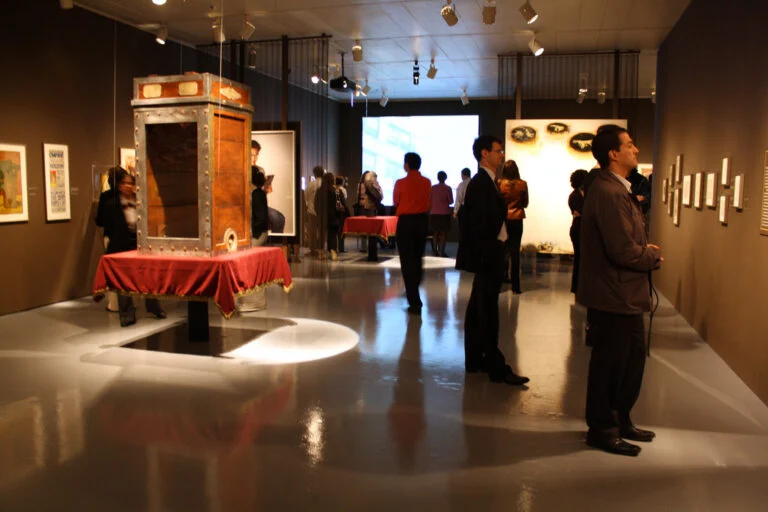
The National Museum of Kazakhstan in Astana offers a detailed introduction to the country's history and culture across multiple periods. It is not simply an art or history museum but a broad institution with archaeological, ethnographic, and natural history collections under one roof. Its mission is to provide a comprehensive national narrative, tracing the territory’s developments from prehistoric times to the modern Kazakh state. This focus creates a sense of continuity from ancient nomadic societies to contemporary urban life. Although it is a relatively new museum, established to provide a centralized cultural institution in the capital, its scope spans a timescale and range of artifacts that connect local and regional history.
Collection Highlights
The museum’s archaeological displays include finds from sites that illustrate the earliest human settlements in the Kazakh steppe. Stone tools, burial objects, and petroglyphs come from periods stretching as far back as the Paleolithic era. These artifacts show the longevity of human activity in Central Asia, framing Kazakhstan as an important crossroads in Eurasia. The Ethnography section is particularly detailed in representing the nomadic cultures that shaped much of the country’s traditions. Exhibits include traditional costumes, yurts (portable tents), musical instruments, and everyday items that convey the lifestyles of Kazakh and other Central Asian peoples.
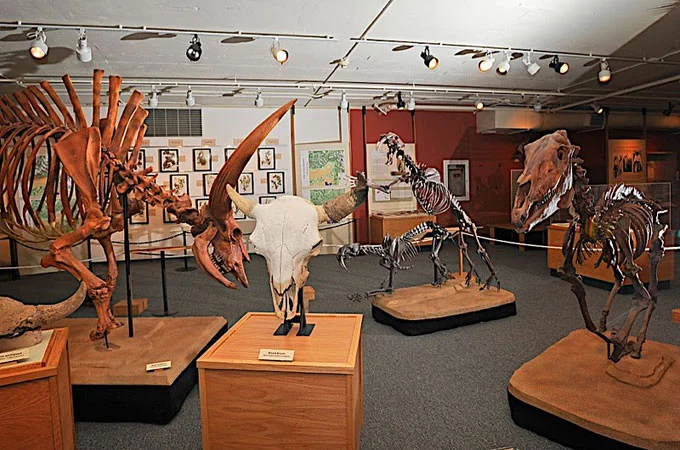
Among the historical collections, there are items from the Kazakh Khanate period as well as from the Russian Imperial and Soviet eras. These include documents, weapons, and personal effects that illustrate the political shifts that have influenced Kazakhstan’s modern borders and identity. The museum also devotes significant space to the natural sciences. Displays featuring the country’s geology and biodiversity include mounted fauna, fossils, and mineral samples. The integration of natural history within the national story adds a layer of environmental context that is not always found in similar institutions.
The museum does not feature many internationally famous artworks, but it holds some pieces by prominent Kazakhstani artists and craftspeople who represent the development of national visual culture in the 20th and 21st centuries. Textiles, ceramics, and decorative arts appear alongside paintings and sculptures, reflecting everyday creativity as well as elite artistic production. Temporary exhibitions focus on particular themes or figures, although these change regularly, so specific details should be checked before visiting.
Building and Setting
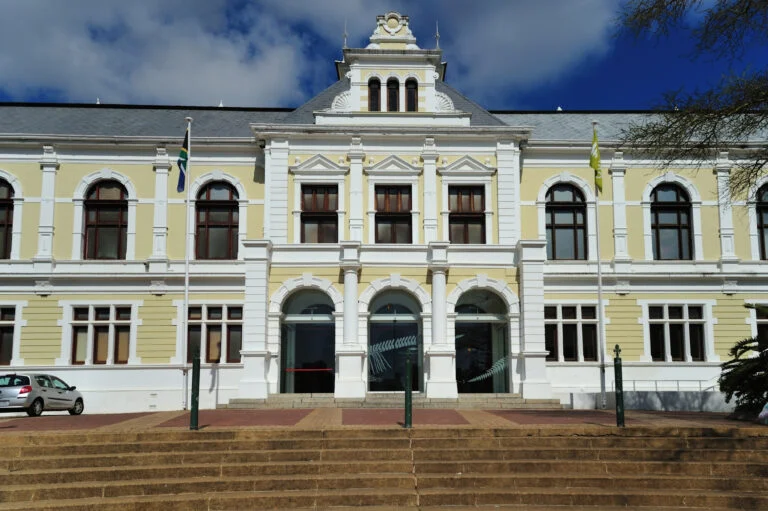
The National Museum of Kazakhstan occupies a distinctive glass and steel building constructed in the mid-2010s. Its architecture is modern with jagged, crystalline forms intended to reference natural elements such as the steppes and mountains. Situated on the left bank of the Ishim River, the museum is close to other government and cultural buildings in Astana’s urban landscape. This area was developed extensively in the last two decades as part of the city’s transformation into the country’s capital from 1997 onward. The building itself is large and designed to accommodate diversified exhibits, arranged across several floors with spacious galleries. The structure is purpose-built rather than a conversion from an older building, which shapes how the museum can present and move visitors through its varied collections.
Practical Information
Since details can change, check the National Museum of Kazakhstan’s official website for current opening hours, ticket prices, and visitor policies. This museum is located centrally in Astana, making it accessible via city transport or taxi. Advance booking rules or restrictions might apply during special exhibitions or public holidays. Visitors interested in guided tours or audio guides should confirm availability with the museum in advance, as these services may not be offered consistently. The building is relatively new, so facilities such as restrooms and elevators should meet standard accessibility requirements, but these should also be verified if needed.
Why Visit
This museum rewards those with an interest in Kazakhstan’s broad historical narrative and environmental context, not just isolated periods or artistic categories. Its strength lies in how it gathers diverse dimensions of Kazakh identity—from ancient archaeology to Soviet history and natural science—in a single place without splitting them into separate smaller institutions. For visitors who want a wide-angle view of the country’s story, it provides a factual and detailed introduction. The modern architecture adds an additional layer to the experience, reflecting Kazakhstan’s recent efforts to project its current status and ambitions through built form.
The museum does not focus on blockbuster artworks or exclusively elite historical moments, which may disappoint those seeking a purely art-based experience or internationally renowned antiquities. Instead, it presents something closer to a cultural and scientific encyclopedia of Kazakhstan. For that reason, it suits people willing to engage with material across many disciplines and periods, including those with an interest in Central Asian history outside the often-studied Silk Road framework. Time spent here can be quite substantive, depending on how intensively one explores the archaeological and natural history displays alongside the ethnography and historical objects.
In sum, the National Museum of Kazakhstan stands as a relatively new but ambitious institution. It invites visitors to consider how the country’s past environments, cultures, and political developments intersect to form the current nation-state. The scope is wide-ranging, which makes the museum notable as a resource for understanding Kazakhstan from multiple perspectives within a single, coherent setting.