Kyoto International Manga Museum Review
Kyoto, Japan. Kyoto International Manga Museum stands apart largely because it commits itself to a single, extraordinary cultural phenomenon: manga in all its forms. It does not seek to frame manga as merely a modern entertainment…
Kyoto, Japan. Kyoto International Manga Museum stands apart largely because it commits itself to a single, extraordinary cultural phenomenon: manga in all its forms. It does not seek to frame manga as merely a modern entertainment…
Best forMuseum lovers, culture travelers, first-time visitors
Review focusCollections, visitor experience, and practical planning
A Museum with a Clear Point of View
Kyoto International Manga Museum stands apart largely because it commits itself to a single, extraordinary cultural phenomenon: manga in all its forms. It does not seek to frame manga as merely a modern entertainment product or a global pop-culture export but fixes its attention on manga as a complex, multifaceted medium with deep historical roots, social functions, and artistic innovations. Unlike museums that deal with comics or graphic novels on a broad spectrum or that mix manga into a wider narrative of visual culture, this venue positions manga at the center of its mission. This gives it a clarity of purpose that helps shape everything from collection policy to display, setting it apart from general art or popular culture museums in Japan and beyond.
Kyoto, as an ancient city with a rich tradition in the arts and crafts, is a meaningful location for such a museum. It creates a dialogue between the old and the new, between centuries-old storytelling and a medium that in less than a century has become a defining cultural export for Japan. The museum thus carries a cultural resonance tied to place, which feels more than coincidental. This focus on manga specifically, and on its development and impact within Japanese society and abroad, means the museum stakes its claim not merely as a repository of objects but as a center of knowledge, enthusiasm, and preservation of manga’s distinctive language and cultural history.
What Defines the Collection
At the heart of the museum is an extensive collection of manga-related materials that spans a wide temporal range—early kamishibai (paper theatre) storycards from the early 20th century, post-war first editions, magazines from the booming 1950s period, to contemporary independent and commercial manga. The collection reportedly includes over 300,000 items, one of the largest manga archives worldwide. This comprehensive scope enables a chronological and thematic view of manga’s evolution, from its origins in popular storytelling and print culture to its status as a mass-market art form.
What stands out is the museum’s emphasis on original printed materials rather than multimedia adaptations or merchandise. This choice retains a tangible focus on the medium of the comic booklet, the printed page, and the way the interaction between text and image is crafted. Temporary exhibitions bring in related forms—animation, illustration, or subcultural offshoots—without shifting the permanent collection’s core concern. The collection also includes rarities and the works of influential creators, providing a layered sense of manga history rather than a superficial survey.
Standout Galleries and Themes
Several galleries illustrate key moments and themes in manga’s development. One area highlights the magazine culture of the 1950s to 1970s, showing how serialized manga in weekly or monthly magazines shaped reading habits and industrial production. This section brings to light the relationship between manga publishers, including giants like Shueisha and Kodansha, and their audiences—a dynamic crucial to the medium’s growth. Here, the museum uses display cases of original magazines and first editions to connect on a material level with this history.
Another gallery focuses on the diverse genres within manga—shōnen (boys’), shōjo (girls’), seinen (young men’s), and josei (women’s) manga—explaining distinct narrative styles and thematic concerns in each. This thematic clarity helps demystify manga’s complexity for visitors unfamiliar with its nuances and counters an often monolithic view of manga as simply “Japanese comics.” Manga’s role in social commentary, from post-war reconstruction narratives to contemporary explorations of identity and gender, also receives attention.
A particularly notable section documents the international spread of manga, outlining translations, adaptations, and fan culture outside Japan. It is an important recognition of manga’s global cultural impact and also a reminder of local variations and receptions. While occasionally brief, this gallery underscores the global dialogue manga has prompted without losing grip on the original Japanese context.
Pacing, Interpretation, and Atmosphere
The Kyoto International Manga Museum does not follow a linear corridor-style layout but embraces a more open plan conducive to browsing, reflecting manga’s nature as a medium often consumed in serial and episodic formats. The central reading room, with shelves allowing visitors to sit and peruse a vast range of manga volumes, is a distinctive feature that speaks to the museum’s educational as well as archival aims. This space allows visitors a tactile engagement rarely found in other museums.
Interpretation tends toward straightforward, informative texts supplemented by occasional multimedia stations and facsimiles. While the emphasis remains on primary sources rather than heavy academic commentary, the museum provides enough contextual information for a general audience to grasp key concepts. The balance between text and object is well-judged; explanations avoid jargon and instead draw on clear historical details and editorial annotations. One potential limitation is the relative sparseness of audio-visual materials, given manga’s multimedia offshoots. This may leave some visitors wanting more immersive or varied interpretative approaches.
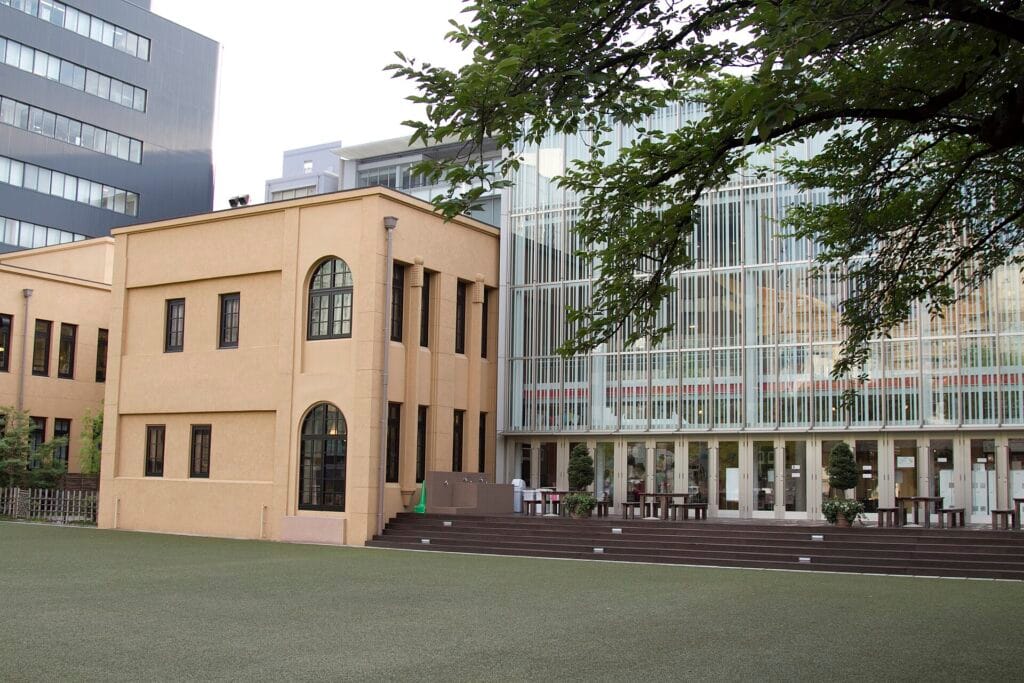
The atmosphere can be described as informal but respectful of manga as an art form and cultural document. The decision to situate the museum inside a repurposed elementary school building adds a layer of nostalgic charm and connects to manga’s broad appeal across age groups. Though not an architectural marvel, the building’s light-filled corridors and classrooms adapted for displays and reading create a sense of accessibility and warmth.
Strengths and Limitations
The foremost strength lies in the sheer depth and focus of the collection. Few museums can claim such an exhaustive repository of manga materials that trace production, distribution, and readership history in Japan. The museum’s archival rigor combined with accessible presentation allows both specialists and newcomers to engage with manga’s layered history on its own terms.
Its practical integration of a reading room makes the experience more than visual; it invites a direct engagement with manga as a written and visual language. This feature successfully conveys manga as a living medium, not just a historic artifact.
However, the museum’s narrow focus restricts its appeal for those less interested in manga itself, or who might seek broader cultural contexts around Japanese popular culture, animation, or graphic storytelling worldwide. Despite a small nod to international influences, these areas remain peripheral. Visitors looking for multimedia experience or interactive, high-tech displays might find the museum restrained. The largely printed and static presentation style suits the archival mission but may not cater to all expectations for entertainment value.
The building, while functional and evocative in parts, lacks the scale or architectural ambition to support large temporary exhibitions or large-scale visitor flows. Space constraints could limit the range or rotation of exhibits.
Before You Go
Information regarding current hours, ticket prices, and visitor services should be verified on the official website before planning a visit. The museum is located in central Kyoto, a city well served by public transport, making it accessible for visitors staying in the area. The museum’s format suits a flexible visit schedule. The reading room especially invites visitors to spend time at their own pace.
Those with an interest in manga history, publishing, and print culture will find this museum particularly rewarding. It also serves researchers and scholars seeking primary sources and archival material relating to manga’s development over the past century. However, if time is limited and your interests do not intersect with manga or Japanese popular culture, this museum’s specialized focus means it may not warrant priority over other cultural institutions in Kyoto.
Final Assessment
Kyoto International Manga Museum offers a concentrated, archival view of manga that goes beyond surface-level fandom or commercial spectacle. Its defined mission and comprehensive collection make it an essential destination for understanding manga not only as entertainment but as a historical medium embedded in Japanese cultural production and everyday life. The museum is more scholarly archive than pop-culture playground, with a reading room that bridges the gap between exhibition and active reading.
This specificity strengthens the museum by allowing a clear focus and depth that many broader museums cannot match. It is less suitable, however, for visitors looking for a broad introduction to Japanese culture or highly interactive exhibitions. Those interested in manga’s evolution, its social and industrial contexts, and full-bodied historical narratives will find this museum fills a gap that few others attempt. It is a resource and reference point concentrated on manga’s material and cultural forms, housed in a modest but fitting setting in Kyoto.