Museo Andes 1972 Review
Montevideo, Uruguay. Museo Andes 1972 in Montevideo anchors itself firmly in the harrowing event of the 1972 Uruguayan Air Force Flight 571 crash in the Andes. This museum’s defining trait is its unwavering focus on a…
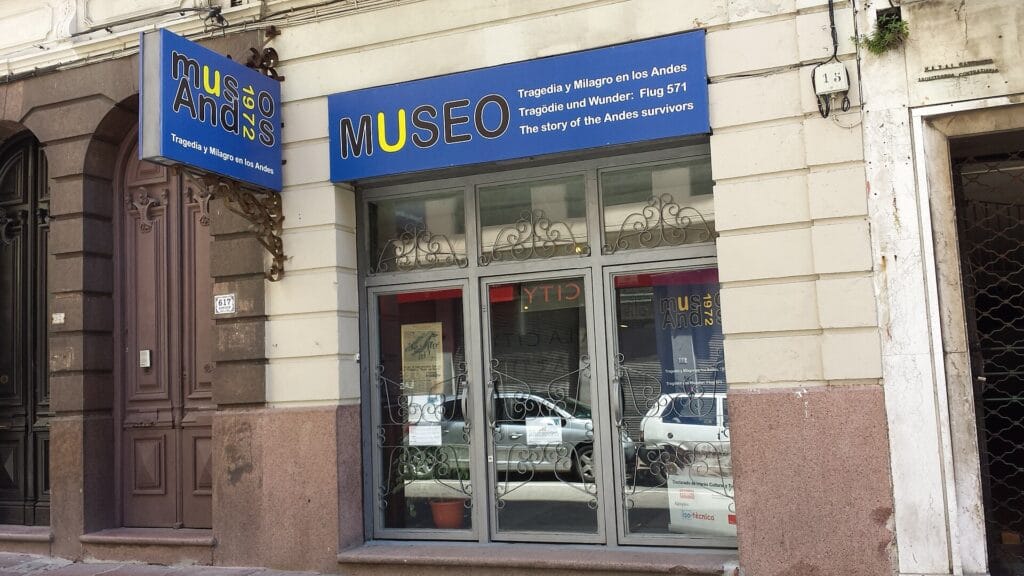
Montevideo, Uruguay. Museo Andes 1972 in Montevideo anchors itself firmly in the harrowing event of the 1972 Uruguayan Air Force Flight 571 crash in the Andes. This museum’s defining trait is its unwavering focus on a…
Best forMuseum lovers, culture travelers, first-time visitors
Review focusCollections, visitor experience, and practical planning
A Museum with a Clear Point of View
Museo Andes 1972 in Montevideo anchors itself firmly in the harrowing event of the 1972 Uruguayan Air Force Flight 571 crash in the Andes. This museum’s defining trait is its unwavering focus on a single historical incident that captures survival, human endurance, and ethical dilemmas under extreme conditions. Unlike broad historical museums that touch on many subjects, Museo Andes 1972 offers a concentrated and nuanced exploration of one story that transcends national boundaries and decades. Its perspective seems aligned less with heroic narrative or sensationalism and more with careful reflection on the human experience, making it a specialized institution rather than an encyclopedic one.
This clarity of purpose shapes everything presented, from the choice of objects to the interpretive tone. It does not attempt to place the Andes crash into a large, diffuse historical context or dilate into unrelated themes of aviation history or Uruguayan culture. Instead, the museum’s point of view is to probe the psychological, physical, and moral dimensions of survival after a devastating accident in one of the world’s most challenging natural environments. This focus ensures that the visitor encounters a story told with attention to detail and emotional complexity rather than broad historical generalities.
What Defines the Collection
The collection consists mostly of artifacts recovered from the crash site or belongings of the survivors, along with documented testimonies, photographs, and various media related to the event. Items like fragments of the wrecked aircraft, personal effects such as clothing and equipment, and the rescuer’s gear form a tangible connection to the reality of the ordeal. These objects are supplemented by notebooks, diaries, and recorded interviews that represent first-person accounts and give voice to the immediate and long-term human consequences.
What sets this collection apart is its specificity and depth around a singular event rather than dispersion across multiple subjects. Unlike general aviation or disaster museums, the tightly gathered material relates exclusively to the 1972 crash, its aftermath, and the survival narrative. The presence of survivor stories and original artifacts offers a rare assemblage of primary material grounded in truth and personal memory. The collection’s strength lies in balancing these personal elements with physical artifacts heavy with emotional significance.
Standout Galleries and Themes
Galleries focus on the chronological stages of the tragedy: the crash, the days stranded in the mountains, the harsh environment, the survivors' resourcefulness, and eventual rescue after 72 days. The space dedicated to recreating or conveying aspects of the Andes environment, such as its isolation and extreme conditions, is crucial. It helps explain why survival was so contingent on ingenuity and endurance.
Themes examined include human vulnerability, group dynamics under stress, moral choices such as cannibalism, and the role of hope and despair. The museum resists treating these themes superficially. Instead, it approaches the ethical and psychological complexity with nuance, avoiding simplistic heroism or martyrdom. This thematic commitment makes the museum more than a recounting of facts; it engages deeper questions about what it means to endure extraordinary hardship.
Among the more affecting displays are the letters and personal reflections, which show the lasting impact on survivors and their families. These exhibits go beyond object display, conveying trauma, resilience, and memory. They set Museo Andes 1972 apart from institutions that focus more on visual spectacle or technical recounting.
Pacing, Interpretation, and Atmosphere
Because the museum is thematically focused and relatively small, its pacing likely favors a measured, contemplative experience rather than fast movement. The narrative unfolds through the sequence of galleries, presumably building a timeline that helps visitors understand the sequence of events logically while interspersing personal consequences. This approach suits the subject matter, which demands reflection more than quick consumption.
The interpretive tone seems respectful and restrained rather than sensational. Rather than emphasizing spectacle or gory details, the museum reportedly treats the material with sobriety, allowing objects and testimonies to carry emotional weight. Such subtlety avoids exploiting tragedy and invites considered engagement.
It’s difficult to comment definitively on atmosphere or visitor flow when relying on secondhand information, but the museum’s concentration on a single event and its methodical content signals an environment designed for thoughtful attention. This is not a bustling space with layers of unrelated exhibitions, but a focused setting that supports quiet reflection.
Strengths and Limitations
A major strength is how Museo Andes 1972 narrows its scope to present a detailed and balanced account of the Andes flight disaster. This single-incident focus gives depth and emotional resonance rarely accessible in larger, more generalized institutions. The collection’s reliance on original artifacts and firsthand documentation lends authenticity. Its measured interpretation respects the survivors and the complexities of the story without sensationalizing.
The museum’s specific concentration, however, also shapes its limitations. By focusing almost exclusively on one event, it lacks the broad historical or cultural context that some visitors might seek. For example, the wider history of Uruguayan aviation, the political climate of the early 1970s in South America, or the implications of the disaster on international rescue operations receive comparatively little room. This limits the museum’s appeal for those wanting a comprehensive understanding outside the immediate survival story.
Moreover, the apparent scale of Museo Andes 1972 is modest, which may affect the diversity of exhibits and the level of visitor amenities. It likely demands a deep interest in the subject from visitors because its content is intense and concentrated rather than varied or light. The museum’s structure does not lend itself to casual browsing or short visits.
Before You Go
Current information about opening hours, ticket prices, discounts, and visitor services is best checked directly via the museum’s official website or trusted local sources. Because of its specific thematic focus, visitors should be prepared to engage with heavy material concerning survival, trauma, and loss. Those expecting a general Uruguayan history museum or a broad aviation exhibit will find that the Museo Andes 1972 offers a specialized narrative requiring commitment to its profound subject matter.
In Montevideo, the museum’s location and accessibility might affect planning. Given the niche appeal, it is reasonable to assume it could be less crowded and more intimate, but practical details concerning guided tours or special access should be confirmed before planning a visit.
Final Assessment
Museo Andes 1972 in Montevideo stands as a focused, often intense memorial to one of the 20th century’s most extraordinary survival episodes. Its concentration on authentic artifacts, survivor testimony, and thematic exploration of human endurance under extreme conditions gives it a clear identity and purpose. It is not a broad historical museum; it is a museum of survival and moral complexity distilled into tangible objects and personal stories.
The museum’s specialisation is its greatest asset and also its most defining limitation since it offers little in the way of wider context or lighter content. For those particularly interested in survival narratives, human psychology under duress, or the Andes crash specifically, it provides a depth and seriousness rarely found elsewhere. Those seeking a broader or more varied historical museum experience will need to look beyond its walls.
In sum, Museo Andes 1972 delivers a focused, well-defined encounter with a challenging story. It is a repository of memory and interpretation dedicated to one of the darkest and most inspiring episodes in recent South American history.