National Museum of Nigeria Review
Lagos, Nigeria. The National Museum of Nigeria in Lagos occupies a distinct place in the country’s cultural landscape. Established to represent Nigeria’s diverse cultural heritage, it strives to present the narratives, artifacts, and histories that define…
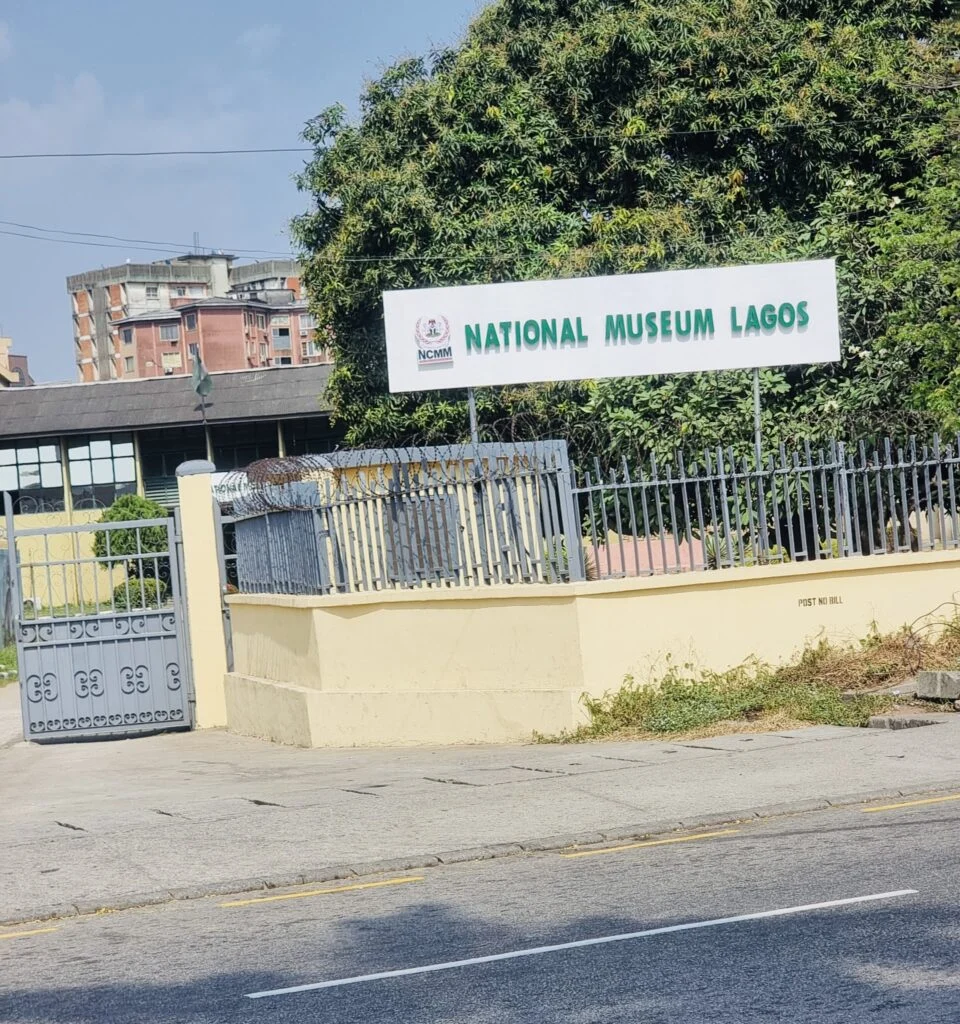
Lagos, Nigeria. The National Museum of Nigeria in Lagos occupies a distinct place in the country’s cultural landscape. Established to represent Nigeria’s diverse cultural heritage, it strives to present the narratives, artifacts, and histories that define…
Best forMuseum lovers, culture travelers, first-time visitors
Review focusCollections, visitor experience, and practical planning
A Museum with a Clear Point of View
The National Museum of Nigeria in Lagos occupies a distinct place in the country’s cultural landscape. Established to represent Nigeria’s diverse cultural heritage, it strives to present the narratives, artifacts, and histories that define the nation's rich and varied past. Unlike larger multimedia museums or those with a broader African remit, this institution focuses specifically on Nigerian arts and history with an emphasis on tangible cultural objects and traditional craftsmanship.
Its perspective is grounded in a nationalistic framework, aimed at fostering an understanding and appreciation of Nigeria's ethnic diversity and historical depth. The museum does not shy away from showcasing the complexities and contradictions embedded in that heritage. Instead, it offers a space dedicated to both celebration and critical reflection on Nigeria’s cultural identity. For visitors interested in gaining a foundational sense of the country’s material culture, this museum delivers a concentrated and direct narrative.
What Defines the Collection
At the core of the National Museum of Nigeria is an extensive collection of artifacts representing various Nigerian ethnic groups. The collection covers objects from archaeology, traditional sculpture, textiles, masks, and ceremonial arts. Notably, it includes a significant assemblage of Nok terracotta sculptures, which are among the earliest known in Sub-Saharan Africa, dating from approximately 1000 BCE to 300 CE.
The museum also holds notable Ife terracotta and bronze pieces, recognized globally for their sophistication and artistry. These are important for understanding pre-colonial artistry and urban culture in Nigeria. Beyond these, the collection spans traditional crafts such as beadwork, woodcarvings, and metalwork, each providing insight into social, religious, and political structures of different Nigerian communities.
Ethnographic objects also feature strongly, with displays dedicated to the Hausa, Yoruba, Igbo, and other groups. These exhibits illustrate everyday life, rites of passage, and the role of art in community identity. The collection avoids a purely archaeological focus and instead gives considerable attention to living traditions, often highlighting their continuity and evolution.
Standout Galleries and Themes
Within the museum, the Nubian, Benin, and Ife galleries stand out for complexity and depth. The Benin section, in particular, draws attention due to the prominence of the bronze plaques and sculptures, which have both artistic merit and historical weight given their controversial history and association with the Benin Bronzes dispersed globally. These works provide not only aesthetic value but also raise issues around imperial history and cultural restitution.
The archaeological galleries present the Nok terracottas alongside other prehistoric finds, framing them within Nigeria’s long human occupation. This is useful for visitors seeking a chronological narrative from ancient times to modernity. The Yoruba art section combines both traditional and ritual objects, offering a glimpse into the cultural practices that continue to influence Nigerian society.
One thematic thread that runs through many galleries is the relationship between art and social order—how artistic expression underpins political authority, religious practice, or communal identity. This is evident in displays of masks used in ceremonies, royal regalia, and sacred objects, which the museum places in contextual settings rather than treating as mere curiosities.
Pacing, Interpretation, and Atmosphere
The layout of the museum is fairly conventional, with rooms arranged by cultural region or time period, which can assist visitors in following the development of Nigerian cultural history. However, some areas feel densely packed, which might slow the pace or overwhelm those without some background knowledge. The presentation style tends to be straightforward, relying heavily on object labels and sectional introductions.
Interpretative materials often provide useful cultural and historical context, but the language can at times border on the academic rather than popular, making it somewhat challenging for casual visitors or those unfamiliar with Nigerian ethnography. Supplementary multimedia or interactive elements are limited or absent, which affects engagement for younger audiences or those looking for more dynamic experiences.
The atmosphere within the museum is one of respectful quiet, fitting for a place dedicated to heritage conservation. The lighting emphasizes the objects but can feel a bit dim or uneven in certain galleries, impacting visibility. The museum is not large, so the visitor flow is generally manageable, though during peak periods it can feel slightly congested.
Strengths and Limitations
The National Museum of Nigeria’s greatest strength lies in the quality and focus of its permanent collections, particularly those related to major Nigerian ethnic groups and archaeological heritage. For scholars or those with an informed interest in Nigerian material culture, it offers valuable resources and a coherent overview that is hard to find elsewhere within Lagos.
Its ethnographic approach, presenting objects within cultural contexts rather than as isolated art pieces, helps visitors appreciate the social and ritual significance behind many items, a valuable educational lens. The inclusion of pre-colonial art that many museums with broader focuses might not emphasize fully also adds to its appeal.
On the other hand, limitations are apparent in the museum’s interpretive reach and visitor experience design. It leans heavily on traditional exhibit methods without considerable modern enhancements that would broaden accessibility or appeal. Visitors without prior familiarity with Nigerian history or ethnographic terminology may find it less approachable than other museums.
Physical infrastructure also shows signs of aging, with some galleries feeling a bit dated in terms of display techniques and environmental control. The absence of digital guides, interactive components, or detailed visitor aids limits the depth of engagement. Additionally, practical planning information is essential to verify before visiting, as current operational details are not widely published.
Before You Go
Visitors planning to explore the National Museum of Nigeria in Lagos should consider their interests and information needs carefully. If Nigerian history, archaeology, or traditional arts are central to the visit, this museum offers a concentrated and regionally diverse collection that both informs and challenges assumptions.
However, those expecting an extensively curated, multi-media experience or contemporary art displays might find the museum less fulfilling. It is worthwhile to visit the official website—or consult local cultural resources for the latest updates on opening hours, admission policies, or special programming—to avoid surprises. Given its focused nature, the museum suits visitors ready to engage thoughtfully with objects and narratives rather than casual sightseeing.
Final Assessment
The National Museum of Nigeria in Lagos stands as a deliberate cultural institution that advocates for the acknowledgment and preservation of Nigeria’s rich heritage. It offers a well-curated, primarily traditional collection with considerable strengths in archaeological and ethnographic materials. For visitors with an interest in the roots and expressions of Nigerian cultures, the museum presents a meaningful repository with items of high historical and artistic value.
Nonetheless, it does not prioritize visitor-centric innovations or modern interpretive technology, which could broaden its appeal beyond knowledgeable audiences. The somewhat dense presentation and lack of interactive engagement may challenge casual visitors or families. Infrastructure and updating of gallery techniques might also benefit from review to match contemporary museum standards.
In summary, while the National Museum of Nigeria may not cater to all expectations of today’s museum goers, it retains importance as a site of cultural memory and scholarship. Its clear focus and concentrated offerings make it a worthwhile visit for those seeking depth over entertainment when exploring Nigerian heritage in Lagos.