National Museum of Nigeria
Lagos, Nigeria. The National Museum of Nigeria, located in Lagos, serves as a key institution for preserving and presenting aspects of the nation's cultural and historical heritage. As a museum focused on Nigerian history, archaeology, and…
Best forMuseum lovers, culture travelers, first-time visitors
Setting / nearbyLagos, Nigeria
Overview
The National Museum of Nigeria, located in Lagos, serves as a key institution for preserving and presenting aspects of the nation's cultural and historical heritage. As a museum focused on Nigerian history, archaeology, and ethnography, it functions as a repository of important artifacts that reflect the deep and varied traditions of the peoples of Nigeria. The museum’s role is both educational and preservational, aiming to make accessible materials that illustrate Nigeria’s precolonial civilizations, colonial encounters, and post-independence cultural developments. For anyone interested in West African history or the broader historical narratives of Nigeria, this museum offers a concentrated experience not only of ancient artistry and archaeology but also of the ethnographic diversity of the country.
Situated in Lagos, Nigeria’s largest city and a major economic hub, the National Museum is positioned within a complex urban environment that itself tells many stories of Nigeria’s modern growth. The museum’s collections intersect with the city’s junction between traditional culture and contemporary life, allowing visitors to appreciate layers of Nigerian identity. Although Lagos can be a challenging city to navigate, the museum provides a focused cultural experience within its walls.
Collection Highlights
The museum’s collection is notable for its archaeological finds and ethnographic objects. Among its archaeological holdings are artifacts from ancient Nigerian civilizations, which may include terracotta sculptures, bronzes, and other archaeological materials that show the artistic and technological achievements of these societies. For example, some of the terracotta figures are believed to represent various cultural practices and social hierarchies from centuries past. These items are often discussed in relation to the broader context of West African archaeology.
Additionally, bronzes, possibly linked to well-known historical kingdoms such as those around the Benin area, are an important feature of the collection. These pieces demonstrate sophisticated metalworking skills and serve as culturally significant objects, reflecting the artistry and historical narrative of the region. Such bronzes may hold important symbolic and historical meanings, adding depth to the museum’s offerings.
The ethnographic section likely includes traditional costumes, masks, tools, and everyday objects from Nigeria’s numerous ethnic groups. This part of the collection helps illustrate the diversity of cultural practices across the country, including ritual, ceremony, and daily life. The ethnographic artifacts offer visitors insight into the social fabrics and customs of various Nigerian communities, potentially including the Yoruba, Igbo, Hausa, and others.
Condition and presentation of the objects might vary, reflecting both the age of the collections and the challenges of conservation in a tropical climate. Display methods may differ throughout the museum, with some objects in well-maintained cases and others perhaps in more modest settings. Where contextual information is available, it typically helps visitors understand the significance of the pieces within Nigerian cultural history.
Building and Setting
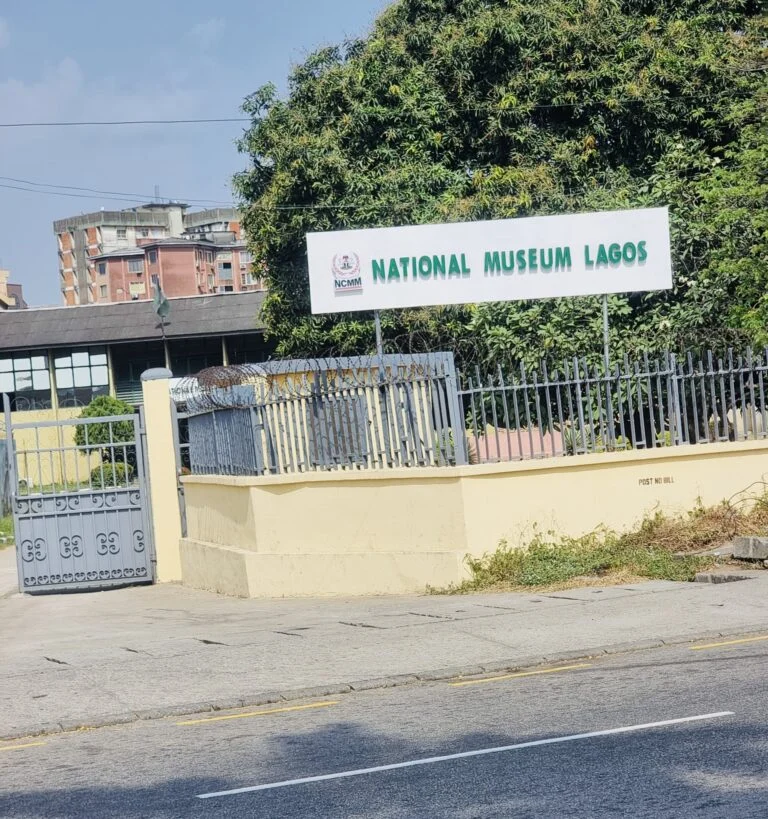
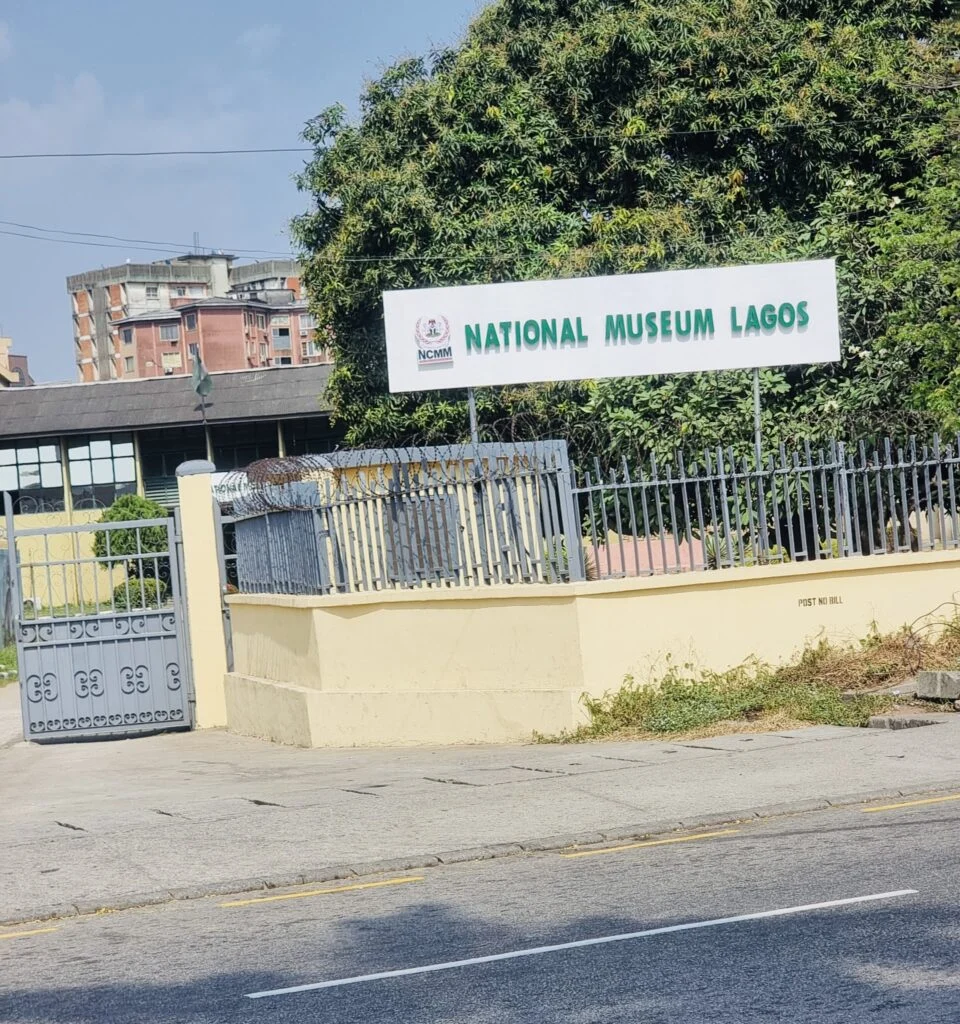
The National Museum is situated within Lagos, though details about the building’s architectural style and layout might not be extensively documented in public sources. Museums in such contexts often occupy purpose-built buildings or adapted colonial-era structures, combining functional exhibition spaces with administrative and storage areas. The surrounding urban environment is likely busy and densely populated, characteristic of Lagos’s cityscape.
The museum environment inside is expected to support a linear or circuit visitor route, presenting collections by theme or chronology. Given the museum’s focus, some exhibition spaces might incorporate educational panels or signage in English to reach a broad local and international audience. Lighting, ventilation, and conservation facilities are all aspects that often challenge museums in similar settings, but these need to be verified through direct or updated sources.
The setting of the museum within Lagos means that visitors might easily combine a visit here with exploring other cultural or historical sites in the city. Nonetheless, planning for travel time and local conditions is sensible, as the area can be congested and busy.
Practical Information
Details such as current opening hours, admission policies, guided tours, and other visitor services for the National Museum of Nigeria should be checked before visiting. Information on the official website or through local tourism resources is recommended to confirm current arrangements. Given that Lagos is a major city, entrance procedures might conform to standard museum practices, but these can vary due to local factors.
Potential visitors should also verify accessibility options and any specific codes of conduct required on-site. While museums generally support educational visits, patience with local conditions and awareness of security or health advisories is helpful. If visiting from abroad, understanding public transportation or parking options in Lagos may require additional local research.
Shopping and dining facilities inside or near the museum cannot be guaranteed and should not be assumed. Similar caution applies to the availability of audio guides, printed catalogues, or other interpretive materials, which vary according to the institution’s resources and priorities.
Why Visit
The National Museum of Nigeria in Lagos offers a focused opportunity to engage with Nigerian cultural history through tangible artifacts. It is valuable for those with an interest in West African archaeology, ethnography, and history who seek a concentrated institutional setting for understanding Nigeria’s cultural legacies. The museum’s collections demonstrate the artistic and social complexity of Nigerian peoples across centuries, providing concrete points of contact with past civilizations and present-day identities.
Visitors inclined to learn about Nigeria beyond common contemporary narratives will find substantial reference material in the form of archaeological finds and ethnographic objects. This can enrich understanding of the variety of cultural practices within Nigeria and the region’s historical connections.
On the other hand, the museum is best suited for those prepared to engage with potentially modest display conditions and a more traditional approach to exhibition. Those expecting highly interactive or technology-driven experiences might find the National Museum’s presentation conventional, but this does not diminish the cultural weight of its collections.
In a city like Lagos, where a wide range of experiences compete for attention, the museum stands as a space dedicated to cultural reflection and education. While it may not offer extensive amenities or large multimedia experiences, its emphasis on the objects and their histories supports a meaningful visit that contributes to a fuller picture of Nigeria’s heritage.
In summary, the National Museum of Nigeria is a notable institution for anyone wanting to investigate Nigerian archaeology and ethnography through direct access to heritage objects. With appropriate preparation and open curiosity, visitors can gain insights into cultural identities that have shaped Nigeria, as well as contributing to a broader appreciation of Africa’s rich historical landscape. As always, confirming current visitor information directly from reliable sources is advisable before planning a visit.