National Gallery of Kosovo
Pristina, Kosovo. The National Gallery of Kosovo in Pristina serves as the principal institution for the display and preservation of contemporary and modern art in Kosovo. As the country's main art museum, it offers a concentrated…
Best forMuseum lovers, culture travelers, first-time visitors
Setting / nearbyPristina, Kosovo
Overview
The National Gallery of Kosovo in Pristina serves as the principal institution for the display and preservation of contemporary and modern art in Kosovo. As the country's main art museum, it offers a concentrated look at Kosovo’s artistic development alongside works by artists from the broader Balkan region and beyond. Established in the aftermath of significant social and political change, the gallery reflects the cultural aspirations and challenges of Kosovo as a relatively new state. It stands not only as a repository of artistic heritage but also as a space where artistic identity and dialogue continue to evolve.
The museum primarily targets visitors interested in visual arts, particularly those focused on the recent history and contemporary expressions of Kosovo’s art scene. For art professionals, students, and curious travelers who wish to engage with art in the context of this region’s unique history, the National Gallery provides a valuable resource, though it is not a venue for broad international art surveys or large traditional masterworks.
Collection Highlights
The National Gallery of Kosovo concentrates broadly on modern and contemporary art, encompassing painting, sculpture, graphic arts, and installation works. Its collection includes pieces by Kosovo artists who worked during the socialist era, as well as more recent productions from the period after Kosovo’s declaration of independence in 2008.
A significant aspect of the collection is its engagement with the region’s cultural and political history. Artworks often reflect themes of identity, conflict, displacement, and cultural memory, which are deeply connected to Kosovo’s experience in the late 20th and early 21st centuries. The gallery has made efforts to collect and conserve works that were created during times of political turmoil, some of which may otherwise have been lost. This contextual focus gives the museum particular resonance for those interested in art’s role in society and political expression.
Visitors will encounter a variety of media and artistic approaches, from traditional painting and drawing to more experimental forms such as mixed media and video art. The museum also stages temporary exhibitions, which sometimes highlight younger artists or international collaborations, illustrating developments within Kosovo’s dynamic art scene and its connections beyond national borders.
Building and Setting
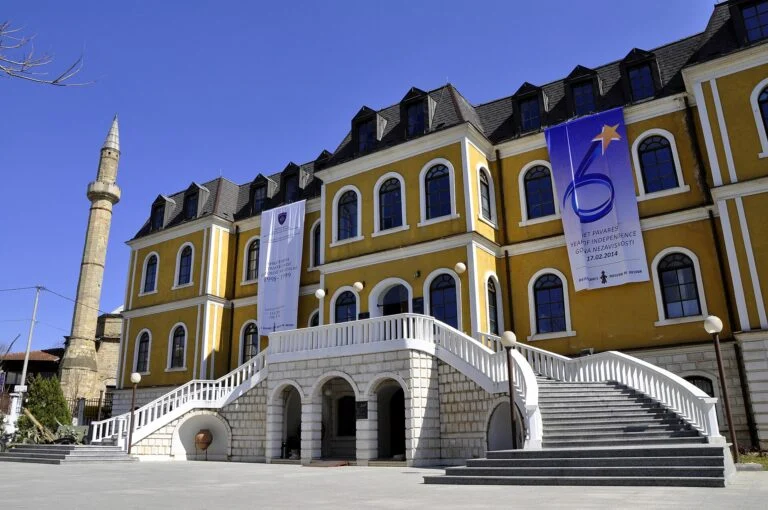
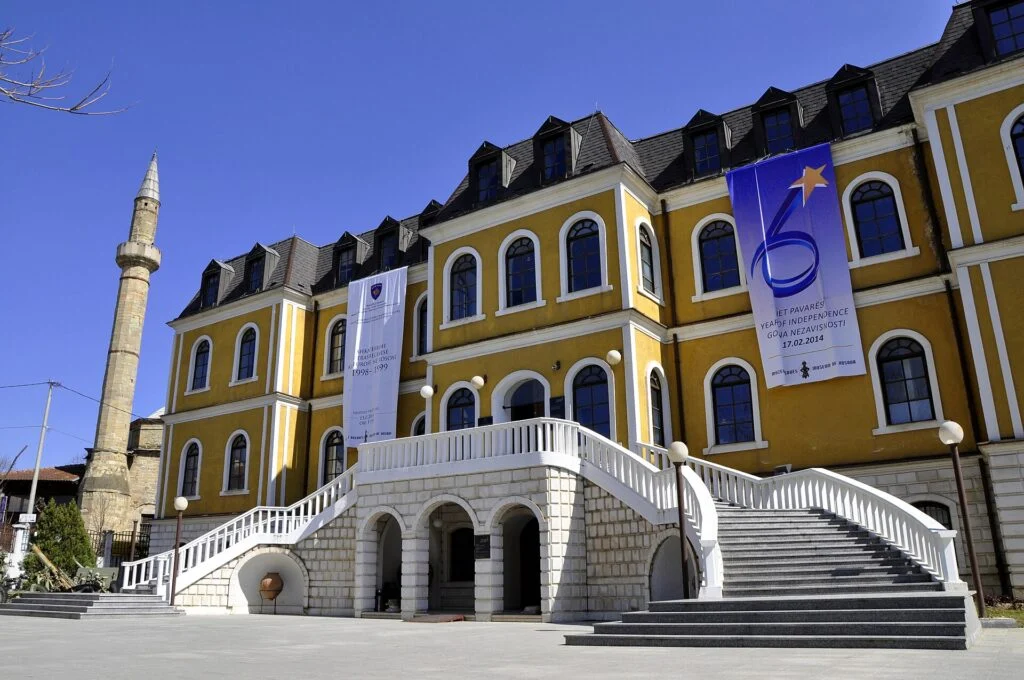
The National Gallery of Kosovo is housed in a building that is relatively straightforward in design, focusing attention on the artworks rather than architectural spectacle. Its position in Pristina places it near the city center, making it accessible for those touring Kosovo’s capital.
The gallery spaces are organized to facilitate a clear flow through chronological and thematic displays, although the size and scale of the institution mean that it maintains an intimate atmosphere rather than an overwhelming one. The integration of temporary exhibition spaces alongside the permanent collection allows for a flexible presentation that can respond to current cultural events and artistic production.
The museum’s setting within Pristina also reflects the city’s ongoing transformation in the post-conflict period. While the gallery itself provides a quiet, focused environment away from the busier city streets, it is part of the urban fabric that visitors can explore further to gain a fuller understanding of Kosovo’s cultural and social context.
Practical Information
Before planning a visit to the National Gallery of Kosovo, it is advisable to consult the museum’s official website or contact its administration to confirm current visitor information. Opening hours, admission fees, discounts, booking requirements, accessibility options, and availability of guided tours or audio guides can vary, and up-to-date details will help ensure a smooth visit.
The scale of the museum is such that it can be comfortably explored in a few hours, though visitors interested in temporary exhibitions or in-depth study of the collection may want to allot additional time. The gallery is primarily focused on visual arts and does not have extensive amenities such as cafés or large shops, so practical arrangements for refreshments and souvenirs should be planned separately.
Given the museum’s specific focus, it may not offer the kind of tourist infrastructure found at larger or more internationally prominent institutions. However, this dedicated approach enables a concentrated experience of Kosovo’s artistic heritage and contemporary cultural production.
Why Visit
The National Gallery of Kosovo presents an opportunity for visitors to understand a part of Europe’s art scene that is often less visible in mainstream discussions. For those interested in how art reflects and responds to recent history—with all its complexity and turbulence—this museum provides meaningful insight. The gallery’s focus on local and regional artists offers a perspective on Kosovo’s cultural landscape that is difficult to find elsewhere.
The museum’s collection and temporary programs address relevant societal themes, making it of particular interest to individuals who value art’s capacity for social commentary and cultural dialogue. It is also useful for those working in art history, anthropology, or Balkan studies who wish to engage specifically with contemporary art from this area.
On the other hand, visitors with expectations for extensive international exhibitions or classical art may find the National Gallery’s offerings more limited in scope. It is not a large institution, and its strength lies primarily in its regional focus and contemporary orientation. Planning a visit in the context of a broader exploration of Pristina and Kosovo’s post-conflict cultural developments can enrich the experience and provide additional layers of understanding.
In sum, the National Gallery of Kosovo stands as a key institution for exploring Kosovo’s modern and contemporary art within its social and historical context. It is a site where art and history meet in a city undergoing continuous cultural formation and redefinition.