Roskilde Museum Review
Tickets & Tours
Compare ticket options and guided tours from trusted booking partners.
We may earn a commission if you book through these links.
What Sets It Apart
Roskilde Museum occupies an important position among regional museums in Denmark by concentrating on the cultural and historical heritage of the Roskilde area. Unlike more general national museums, its focus is firmly local yet not parochial, engaging with a broad sweep of history from prehistoric times through to the modern day. This focus is enhanced by the museum’s commitment to exploring not only well-documented political and ecclesiastical histories but also the everyday lives of ordinary people in the region.
One distinctive feature is the integration of archaeological findings with ethnographic and social history materials, providing visitors with a layered perspective of Roskilde’s past. The museum bridges the gap between the ancient and the modern, capable of supporting visitors interested in Viking history without neglecting the social shifts of the 19th and 20th centuries. This dual objective sets Roskilde Museum apart from institutions that predominantly prioritize a single era or thematic approach.
Collection Depth and Significance
The collection at Roskilde Museum is notable for its extensive archaeological materials, particularly those relating to the Viking Age. Roskilde’s status as a key medieval capital is reflected in the artifacts and reconstructions related to the period. The presence of objects such as tools, weapons, and everyday items from this era offers valuable insights into Viking life, maritime activity, and local craftsmanship.
In addition to Viking artifacts, the museum’s holdings include significant finds from the Stone Age and Bronze Age, providing a comprehensive chronological narrative. The depth of the collection is supported by ongoing archaeological work in the region, meaning that some exhibits reflect recent discoveries. The museum also holds ethnographic collections that document Roskilde’s social and economic history, including materials connected to traditional handicrafts, agriculture, and urban development.
While substantial in scope, the collection is primarily regional. Visitors interested in broader Danish history or large-scale national collections may find Roskilde Museum more focused but less comprehensive in those wider contexts. The interpretive strength here lies in the detailed local studies rather than comparative national or international narratives.
Design, Displays, and Atmosphere
The design of Roskilde Museum’s exhibition spaces strives for clarity and accessibility. Displays are arranged chronologically and thematically, with attention to allowing visitors to trace continuities and changes over time. The use of well-lit cases and clear labeling supports the understanding of individual objects and their contexts. Reconstructions and models, especially those relating to Viking ships or medieval town layouts, add a tangible dimension to the historical material.
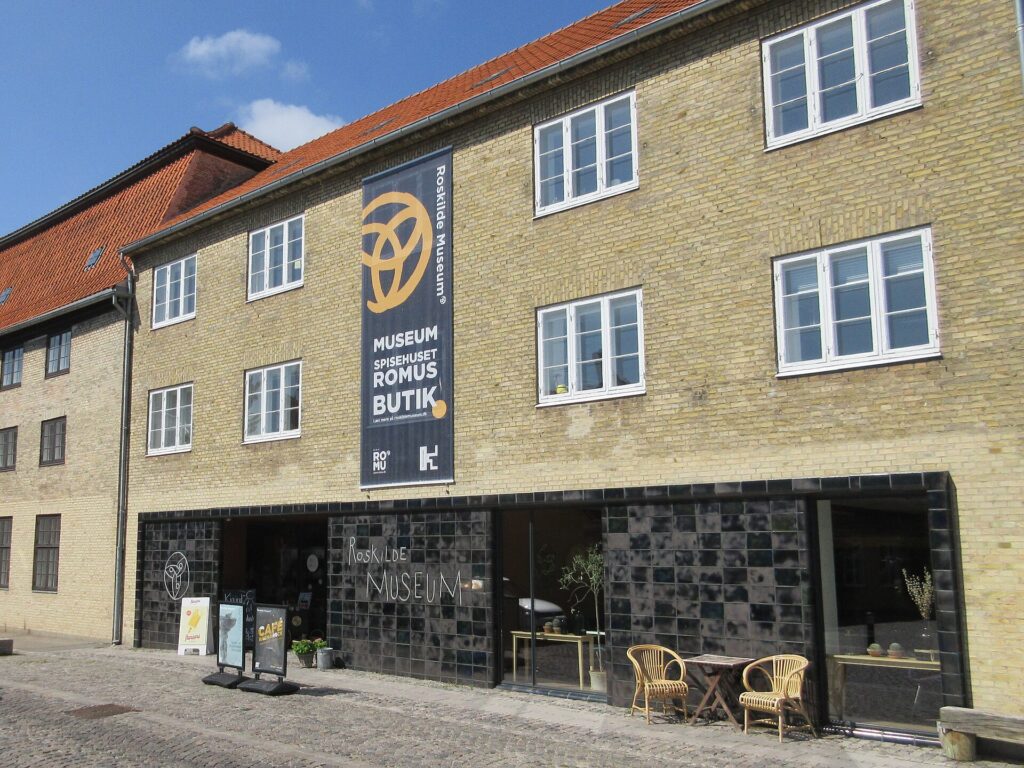
The atmosphere of the museum is generally calm and contemplative, which suits visitors interested in thoughtful engagement rather than fast-paced or highly interactive experiences. The museum’s architecture and layout contribute to a sense of order and ease of navigation, though some areas may feel more dated compared to recently renovated institutions. The exhibition design does not rely heavily on multimedia or digital technology, favoring traditional display methods.
Interpretation is primarily text-based with some illustrative materials, aiming for a broad audience without oversimplification. This pragmatic approach suits those comfortable with reading and reflection but may challenge younger visitors or those seeking interactive learning tools. Still, the museum’s environment encourages lingering and absorbing details rather than quick walkthroughs.
A Visit for Different Audiences
Roskilde Museum caters mainly to visitors with a serious interest in regional history or Viking heritage. It will appeal to families and casual tourists who wish to supplement visits to local landmarks such as the Roskilde Cathedral or the Viking Ship Museum with more contextual background.
Researchers and students focused on archaeology or Scandinavian medieval studies will find valuable reference material and a well-structured narrative that complements their academic pursuits. However, the museum’s restrained use of multimedia and its largely static displays might limit engagement for younger audiences accustomed to interactive exhibits.
Cultural tourists with a preference for regional museums over larger urban institutions will appreciate the museum’s concentration on Roskilde’s unique heritage. Visitors traveling with limited time may need to decide if the museum’s local emphasis aligns with their broader interest in Danish history.
The Strongest Reasons to Go
The principal draw of Roskilde Museum is its focused collection on the Viking period and the way this is embedded into a wider historical timeline of the region. For those intrigued by Viking culture beyond the standard narratives, the tangible artifacts and local context make for a rich educational experience.
The museum also offers a detailed view of Roskilde’s development over centuries, illustrating social change through objects related to crafts, domestic life, and town growth. This approach serves visitors interested in how historical forces shaped a single Danish locale in ways that resonate with national history.
Another compelling aspect is the museum’s calm environment, conducive to study and reflection, making it suitable for educators or groups emphasizing historical understanding. The integration of new archaeological findings ensures the content remains relevant and evolving.
Planning Notes
Prospective visitors should consult the museum’s official website for the most current information concerning opening times, admissions, and any available public programming. Reliable details on accessibility arrangements or supplementary services are best obtained directly, as these can vary seasonally or in response to local guidelines.
The museum’s location in Roskilde makes it accessible from Copenhagen and surrounding areas, but transport options and connections should be verified before arrival. Visitors planning to combine this museum visit with other cultural sites in the city may find it convenient to coordinate schedules.
Families or visitors with young children might want to consider the relatively traditional exhibit style when planning, as the museum offers fewer interactive or child-focused features compared with some contemporary museums.
Editorial Conclusion
Roskilde Museum presents a carefully curated and regionally grounded exploration of local heritage, trading breadth for depth across a wide chronological span. Its archaeological strengths, particularly concerning the Viking Age, anchor its historical narrative, which remains accessible without oversimplification.
The exhibition design favors clarity and reflection over spectacle, creating a museum experience that suits those seeking substantive engagement with Roskilde’s past. The museum’s approach balances social history and material culture, giving visitors useful context for Roskilde’s place in Danish history without overwhelming them with national or international detail.
Limitations include a more traditional style of display that may not appeal to all audiences equally, and a scope centered on the immediate region that might disappoint those expecting a comprehensive overview of Danish history as a whole. Nonetheless, for visitors focused on this region or on Viking and early medieval Denmark, Roskilde Museum offers a well-organized, informative, and thoughtfully presented collection.
In sum, the museum’s strengths lie in its collection depth and stable narrative framework, while its measured presentation style and local focus define its character and appropriate audience. It remains an essential cultural venue for understanding Roskilde’s historical development, best approached with an interest in the specifics of place and period rather than general Danish history.